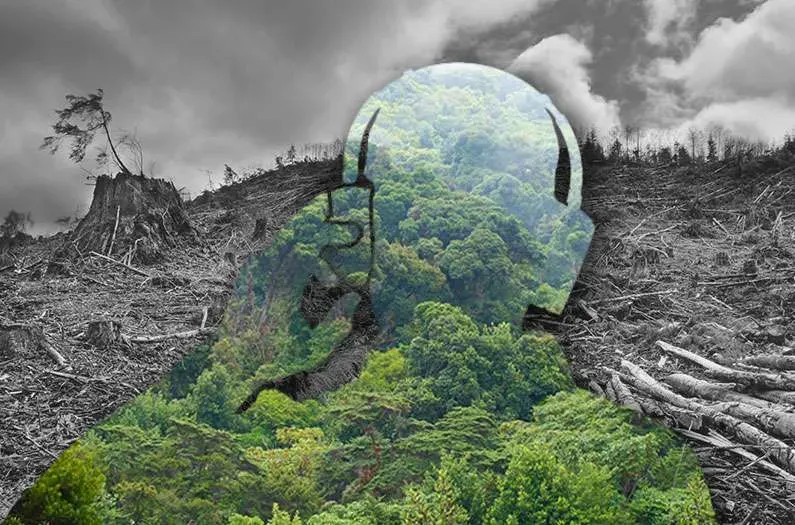
In villages around Bandhavgarh National Park in Madhya Pradesh, teenagers are doing something most adults thought impossible: they've nearly eliminated the seasonal forest fires that threaten one of India's most important tiger habitats.
The shift started with a simple observation. Bhavna Menon, a conservation enthusiast from Pune, noticed that the fires destroying the forest each year weren't random disasters—they were set deliberately by villagers collecting mahua flowers, which are easier to spot on scorched ground. The fires killed wildlife, poisoned the air, and deepened the already fractured relationship between communities and the forest they lived beside.
So in 2024, Menon launched "Prakriti Ki Pathshala" (School of Nature), recruiting students from local schools to become advocates for the jungle. The approach wasn't to lecture or condemn. Instead, she started with the hardest part: listening.
We're a new kind of news feed.
Regular news is designed to drain you. We're a non-profit built to restore you. Every story we publish is scored for impact, progress, and hope.
Start Your News DetoxBuilding Trust Before Change
Menon conducts regular counseling sessions with children whose families have lost livestock or suffered injuries from tiger encounters. These aren't abstract conservation talks—they're spaces where real grief gets acknowledged. Tiger attacks instill deep fear in communities, and Nagendra Singh Tiwari, the local school principal, ensures every student gets a chance to voice that fear before being asked to protect the animal causing it.
Once that emotional ground was cleared, the practical work began. The students learned why the fires happened, then became mediators in their own villages. They approached families burning the forest floor and suggested an alternative: placing cloth or saris under mahua trees to collect the fallen flowers without fire. It sounds small, but changing a practice that's been handed down for generations requires something stronger than policy—it requires trust from someone your own child knows.
Pradeep Dahiya, now 19 and a Junior Fire Watcher, remembers how difficult those early conversations were. "It hasn't been easy to change long-held habits," he says. But the numbers tell the story: forest fires in the reserve have dropped by 99 percent in the last two years. Prakash Verma, deputy director of Bandhavgarh Tiger Reserve, confirms the reduction directly correlates with the students' work.
A Model That Spreads
What Menon has built extends beyond fire prevention. Through a separate initiative called "Sangharsh Se Shiksha Tak" (From Struggle to Education), she provides educational support to children affected by human-animal conflict, helping them see themselves not as victims of conservation but as its architects. Tiwari has noticed a visible shift in how students approach the forest—they're now organizing plantation drives and talking about protecting wildlife with the same energy they once reserved for fearing it.
"Conservation cannot be sustainable unless it addresses the aspirations and challenges of communities living alongside wildlife," Menon says. The teenagers of Bandhavgarh have proven she's right. They're not waiting for adults to solve this. They're doing it now, one village conversation at a time.