A large UK study has found that menopause causes grey matter loss in brain regions critical for memory and emotion — changes that mirror early Alzheimer's patterns. This discovery may help explain why women develop dementia nearly twice as often as men.
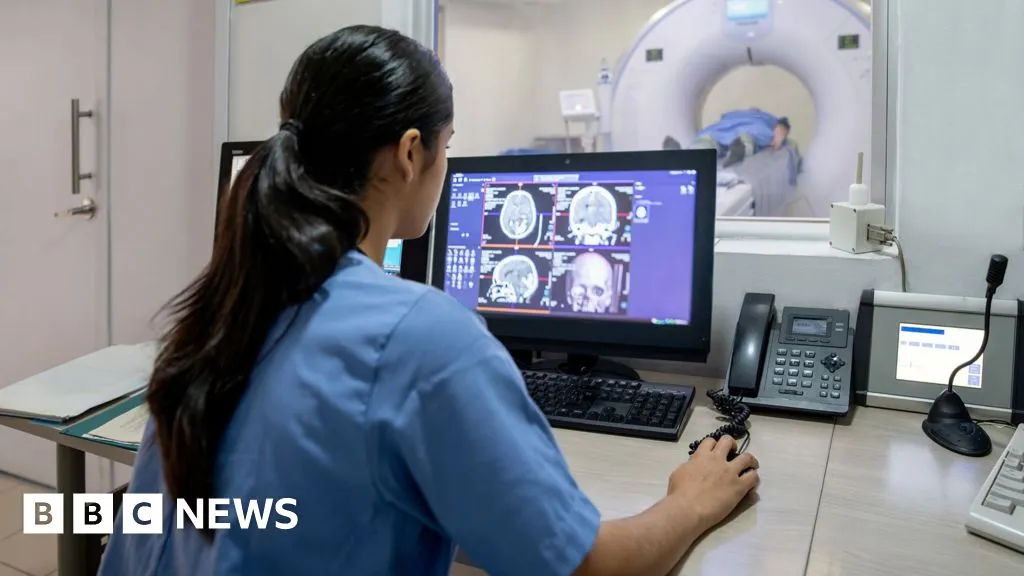
Researchers analyzed brain scans from 11,000 women alongside data from nearly 125,000 participants overall. The grey matter loss appeared in three key areas: the hippocampus, which handles learning and memory; the entorhinal cortex, involved in forming new memories and spatial awareness; and the anterior cingulate cortex, which regulates attention and emotional responses.
"Menopause could make these women vulnerable further down the line," said Prof. Barbara Sahakian from Cambridge University. "While not the whole story, it may help explain why we see almost twice as many cases of dementia in women than in men."
We're a new kind of news feed.
Regular news is designed to drain you. We're a non-profit built to restore you. Every story we publish is scored for impact, progress, and hope.
Start Your News DetoxThe findings raise an important question about hormone replacement therapy. Women using HRT showed the same grey matter loss as those not using it, suggesting the medication doesn't prevent this particular brain change. Interestingly, women on HRT reported higher rates of poor mental health, though researchers noted many had struggled with mental health before starting treatment — a reminder that correlation doesn't equal causation.
What This Actually Means
The study doesn't prove menopause causes Alzheimer's. Rather, it shows that menopause triggers measurable changes in the same brain regions affected by early dementia. Whether these changes lead to actual cognitive decline depends on many factors: genetics, lifestyle, cardiovascular health, and how the brain compensates over time.
Co-researcher Dr. Christelle Langley emphasized that recognizing menopause's mental health impact matters as much as the physical symptoms. "There should be no embarrassment in letting others know what you're going through and asking for help," she said.
Michelle Dyson from the Alzheimer's Society pointed out that long-term studies are still needed to track whether these brain changes actually increase dementia risk. In the meantime, evidence-backed strategies remain relevant: regular exercise, not smoking, and limiting alcohol all reduce dementia risk regardless of menopause status.
What's emerging is a clearer picture of why menopause affects the brain — and that understanding opens doors to better support and, potentially, targeted interventions. The next phase of research will show whether these changes are a risk factor to manage or simply a normal part of aging that most women navigate without cognitive consequences.