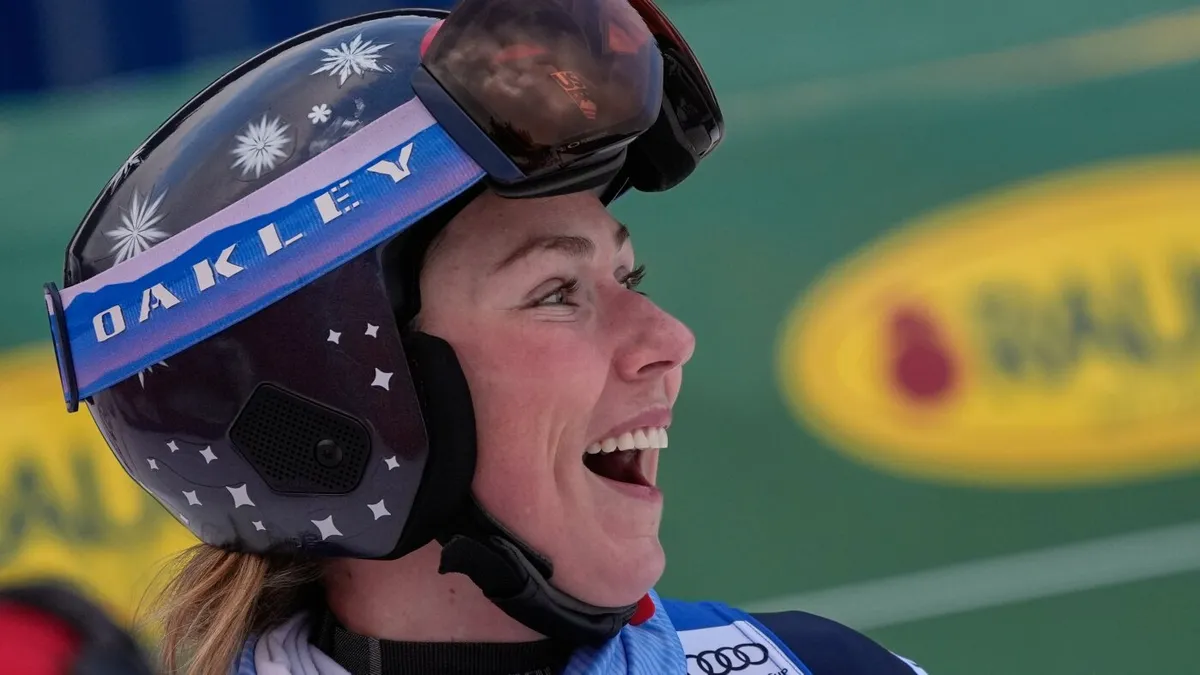
Mikaela Shiffrin has won 108 World Cup ski races — more than any Alpine skier in history. She's also buried her father, survived a freak abdominal injury that left her bleeding into her ski suit, and spent months unable to race without her body freezing up in fear.
Now she's in Cortina d'Ampezzo for the 2026 Winter Olympics, chasing the one stage where she hasn't yet dominated.
The record and the loss
At 18, Shiffrin became the youngest skier ever to win Olympic gold in slalom. By 22, she'd already claimed a second gold and was halfway to breaking Ingemar Stenmark's untouchable record of 86 World Cup wins set in 1989. The trajectory was clear: she was going to be the greatest Alpine skier of her generation.
We're a new kind of news feed.
Regular news is designed to drain you. We're a non-profit built to restore you. Every story we publish is scored for impact, progress, and hope.
Start Your News DetoxThen, in February 2020, her father Jeff died unexpectedly after falling off the roof of their family home. Shiffrin didn't race for 10 months. Her mother, Eileen, described a daughter who couldn't get out of bed, couldn't eat, couldn't drink. "I didn't think Mikaela would ever ski again," she said in a documentary released this month. "I don't think she thought she would either."
Grief doesn't follow a schedule. Shiffrin would handle the anniversary of his death, then break down after a great training day. She returned to racing in 2021 and reclaimed the world rankings by 2022, but when she arrived at the Beijing Olympics that year — entering all six Alpine events — she came away empty-handed. A stunning result. One she later called embarrassing.
It was the crash that came next, though, that would reshape how she understood her own mind.
The injury that revealed something deeper
Late in 2024, during a giant slalom race in Killington, Vermont, Shiffrin hit a slalom gate and suffered a puncture wound to her abdomen so severe it completely pierced her abdominal wall. She was bleeding into her ski suit. The physical recovery took months.
But once her body healed, something else remained: PTSD. For months, she couldn't ski giant slalom without her body tensing up, holding back, refusing to go fast. Even this year, podium finishes in giant slalom eluded her until just two weeks ago. "When I compare this season to last season, where I was returning from the injury and I couldn't imagine skiing faster G.S. — I couldn't imagine ever getting to a place where I could be contending for top tens, top fives, let alone podiums — it's pretty spectacular to have my World Cup podium again," she said Saturday.
Somewhere between Beijing and Killington, Shiffrin began working with a psychologist. She called her Beijing experience a "catalyst for indescribable growth." The work didn't erase the fear, but it gave her language for it, and slowly, a way through it.
What comes next
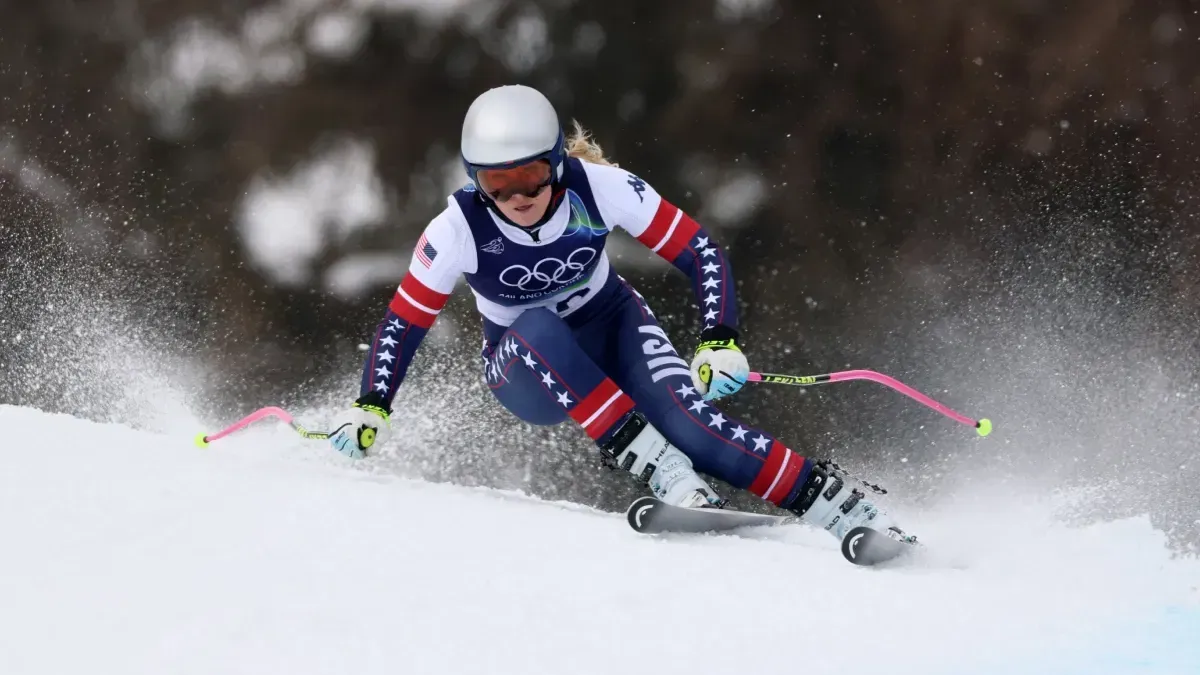
Shiffrin arrives in Cortina as the winningest Alpine skier ever, but also as someone who has learned that dominance isn't the only measure of a career. The team combined event starts first, then giant slalom on February 15, then her specialty — slalom — on February 18. She's still afraid of disappointment. But she's also less nervous than she expected to be. That shift, small as it sounds, might matter more than any medal.