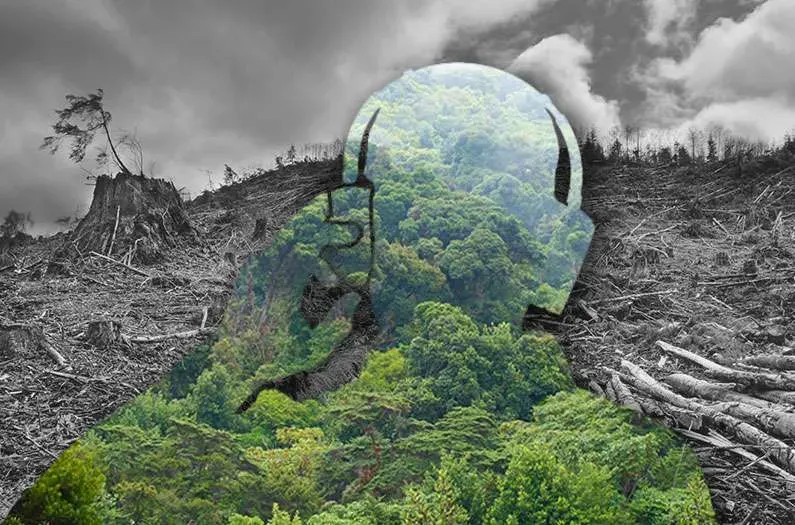
The minerals that power solar panels, wind turbines, and electric car batteries come from somewhere. A study published in Nature Reviews Biodiversity in September lays out what that "somewhere" costs: deforestation, poisoned water, displaced communities, damaged wildlife habitat.
It's a real tension. We need these minerals to move away from fossil fuels. But extracting them can wreak environmental havoc on the very ecosystems we're trying to protect.
The scale of the problem
Demand for energy transition minerals—lithium, cobalt, nickel, copper—is expected to increase sixfold between 2020 and 2040. That's a staggering number. Yet here's what complicates the narrative: a 2023 analysis found that even with this massive increase in mining, we'd still extract less overall than we currently do to fuel the fossil fuel system. Switching to renewable energy requires more mineral extraction upfront, but it avoids the continuous extraction of coal, oil, and gas forever.
We're a new kind of news feed.
Regular news is designed to drain you. We're a non-profit built to restore you. Every story we publish is scored for impact, progress, and hope.
Start Your News DetoxThe real culprit, though, might surprise you. Bora Aska, lead author of the study and a researcher at The University of Queensland's Sustainable Minerals Institute, found that mining for construction materials—sand, gravel, limestone for concrete—causes significantly more environmental damage than extracting the minerals for renewable energy itself. We've known about the direct impacts for years: soil degradation, water contamination, habitat loss. What's less visible is the scale of construction's footprint.
The path forward isn't simple
Aurora Torres, an ecologist at the University of Alicante in Spain and co-author of the study, frames the challenge clearly: "A truly just energy transition must align climate action with conservation and social equity." That means mining has to happen in ways that don't sacrifice Indigenous territories, local water supplies, or remaining biodiversity hotspots.
Andy Symington, a business and human rights specialist at KPMG Australia, points to the practical difficulty: "If the transition is not managed properly, there could be significant consequences for biodiversity and local communities." The mineral deposits we need are often in remote areas—frequently on Indigenous lands—where the environmental and social stakes are highest.
The conversation has shifted from whether we can transition to green energy to how we do it without repeating the extractive mistakes of the fossil fuel era. That means stricter environmental standards, genuine community consent, restoration requirements, and investment in technologies that reduce mining demand altogether. It's messier than a simple "renewables are clean" narrative, but it's also more honest about what a real transition requires.