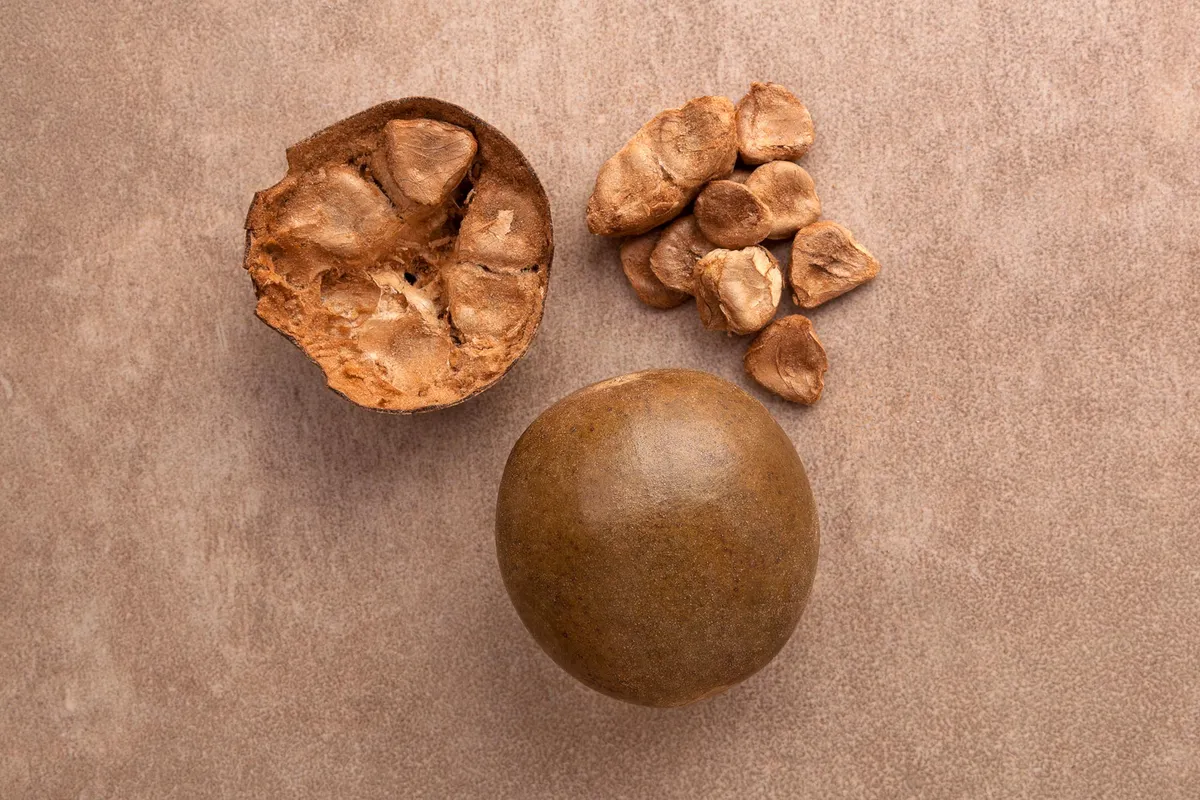
Monkfruit—or Siraitia grosvenorii, if you want to sound like a botanist at dinner—has spent years in Western health food stores as a zero-calorie sweetener. Reasonable enough. But new research published in the Journal of the Science of Food and Agriculture suggests we've been looking at this Chinese vine fruit the wrong way. The sweetness is almost beside the point. What matters is what's actually inside.
The fruit is loaded with secondary metabolites—plant chemicals that don't keep the plant alive, but do something more interesting: they interact with your body in ways scientists are only now beginning to map. Three categories stand out. Terpenoids are compounds linked to antioxidant and protective effects. Flavonoids, which you've probably heard of, help reduce oxidative stress and support cardiovascular and metabolic health. Amino acids are the building blocks your body uses for everything from muscle maintenance to immune function to tissue repair.
Here's where it gets specific. Researchers examined both the peels and pulp of four different monkfruit varieties, mapping where these compounds concentrate and how they interact with antioxidant receptors in your cells. This matters because those interactions trigger biological pathways—interconnected processes that regulate inflammation, metabolism, and cellular protection. In other words, monkfruit compounds don't just exist in the fruit. They talk to your body.
We're a new kind of news feed.
Regular news is designed to drain you. We're a non-profit built to restore you. Every story we publish is scored for impact, progress, and hope.
Start Your News DetoxNot all monkfruit is the same
But here's the catch: a monkfruit from one region or variety isn't chemically identical to another. Each has its own metabolic profile—a unique fingerprint of active compounds. This distinction matters beyond just nutrition research. For food manufacturers developing products, or farmers deciding what to grow, knowing which varieties contain which compounds changes the calculus entirely. A variety rich in flavonoids might be ideal for one product, while another optimized for terpenoids could serve a different purpose.
The researchers were clear about this in their findings: understanding the high-resolution metabolic profiles of different varieties "provides valuable insights into the nutritional and health characteristics as well as the manufacturing suitability of the various resources available from this plant."
What's emerging is a fuller picture of monkfruit—not as a trick to make things sweet without calories, but as a plant with genuine biological activity. The research doesn't claim monkfruit is a cure-all. It does suggest that centuries of use in Chinese medicine wasn't random. There's chemistry backing it up. As scientists continue mapping which compounds do what, the next question becomes clearer: how do we actually use this knowledge to help people feel better.