For years, neuroscientists held firm: damaged neurons don't grow back. Yet people do recover from brain injuries, at least partially. The gap between what we thought was possible and what actually happens has been nagging at researchers — until now.
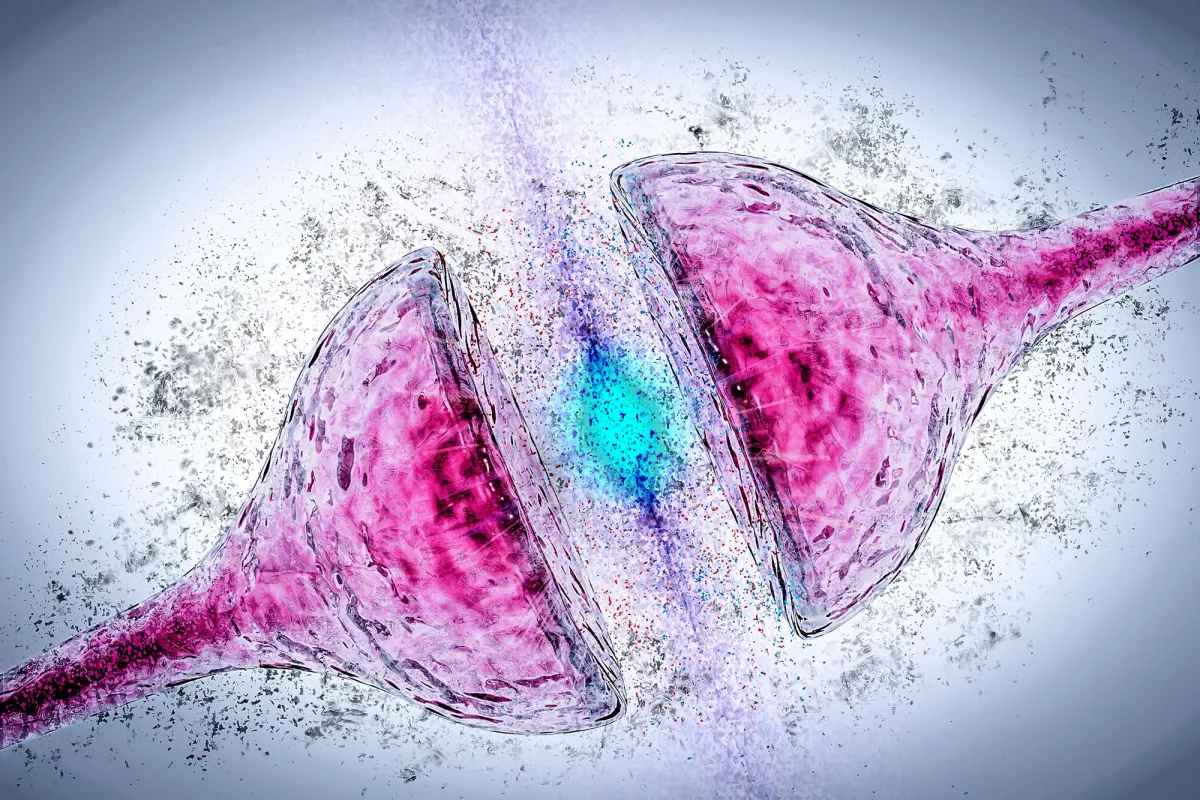
A new study from Johns Hopkins University, published in JNeurosci, watched this recovery happen in real time. The team damaged the visual systems of mice, then tracked what occurred in the weeks after injury. What they found challenges the old assumption: the surviving neurons didn't sit idle. Instead, they sprouted new branches — lots of them — reaching out to connect with more brain cells than they had before the damage.
Think of it like a damaged telephone network. When some lines go down, the remaining lines don't just accept the loss. They reroute, creating new connections that eventually restore the signal. In the mice, these new pathways weren't just structural makeshift repairs. Brain activity measurements showed the rebuilt connections actually worked — signals flowed through them properly, vision function returned.
We're a new kind of news feed.
Regular news is designed to drain you. We're a non-profit built to restore you. Every story we publish is scored for impact, progress, and hope.
Start Your News DetoxOver time, the eye-to-brain connections in male mice bounced back to pre-injury levels. The visual system was functional again despite the trauma.
Where recovery stalled
But the study uncovered something unexpected. Female mice didn't show the same recovery. Their eye-to-brain connections repaired more slowly or incompletely. The sprouting process — that adaptive rewiring — didn't happen as reliably in females.
This aligns with something clinicians have quietly noticed for years: women tend to experience longer-lasting symptoms from concussions and brain injuries than men do. Athanasios Alexandris, one of the researchers, put it plainly: "We didn't expect to see sex differences, but this matches what we see in patients. Understanding what triggers this sprouting mechanism — and what blocks it in females — could eventually lead to better treatments for brain injury recovery."
The team is now investigating the biology behind this gap. If they can identify what enables or prevents this neural rewiring, they might unlock ways to help anyone — regardless of sex — recover more fully from concussions, strokes, and other brain trauma. The mechanism exists. The question now is how to make it work reliably for everyone.