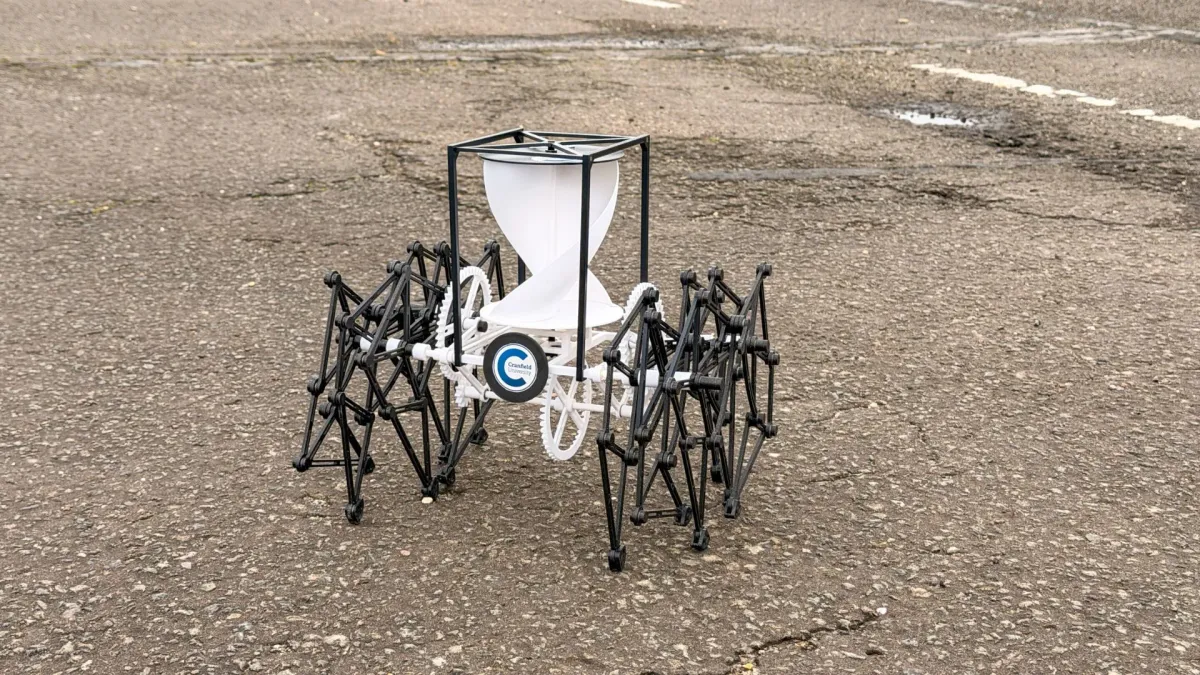
Imagine a robot exploring Mars or a remote desert for months, maybe years, without ever needing a battery charge. That's the wild idea behind WANDER-bot, a new 3D-printed robot that moves purely on wind power. Seriously, no batteries needed for its legs.
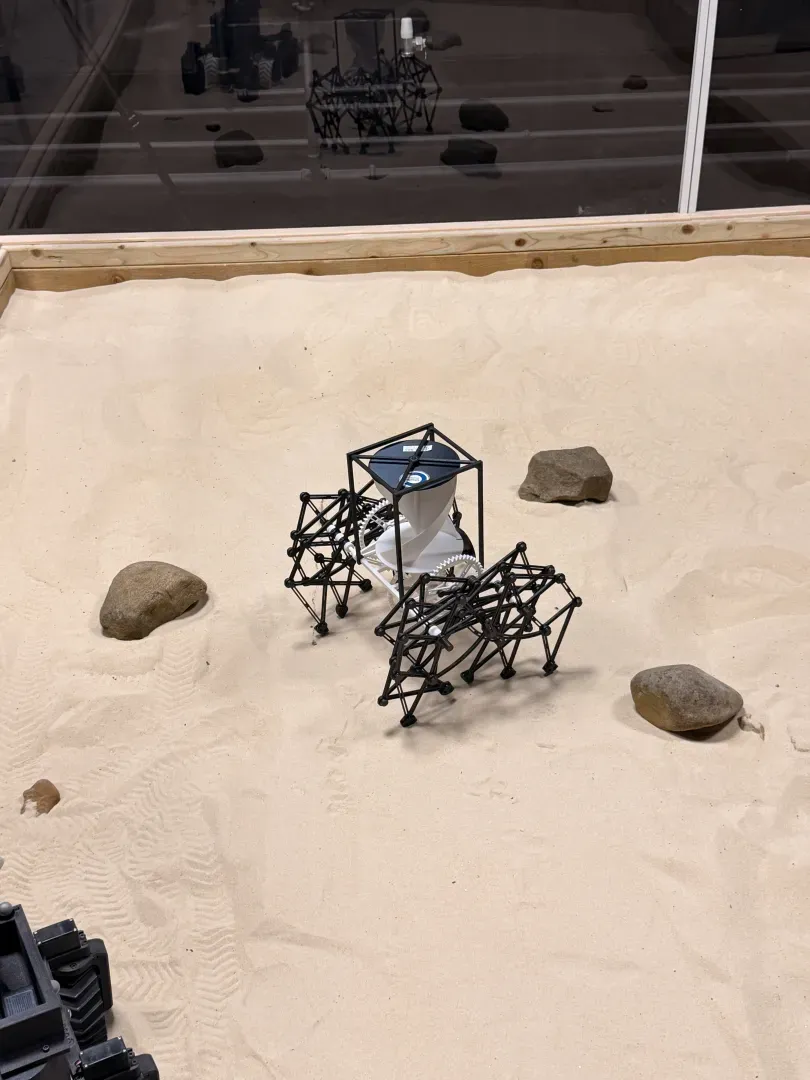
Researchers at Cranfield University cooked up WANDER-bot for places with constant wind, like deserts, icy plains, or even other planets. The goal? Robots that can go where humans can't, for a really long time, all on their own.
How it Moves
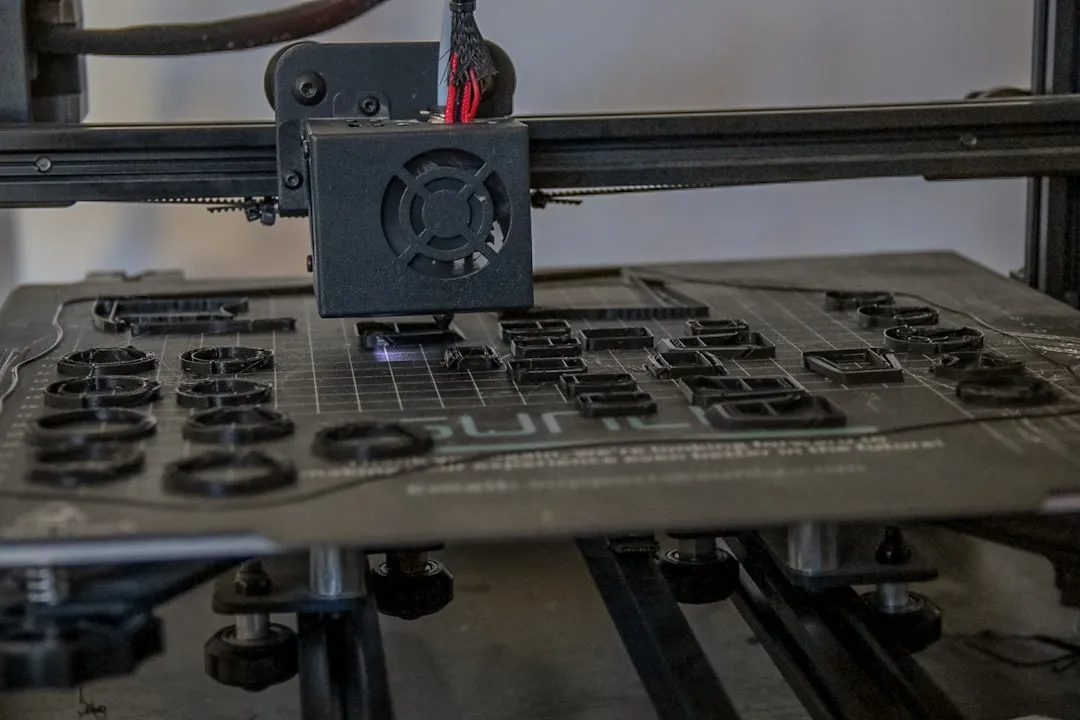
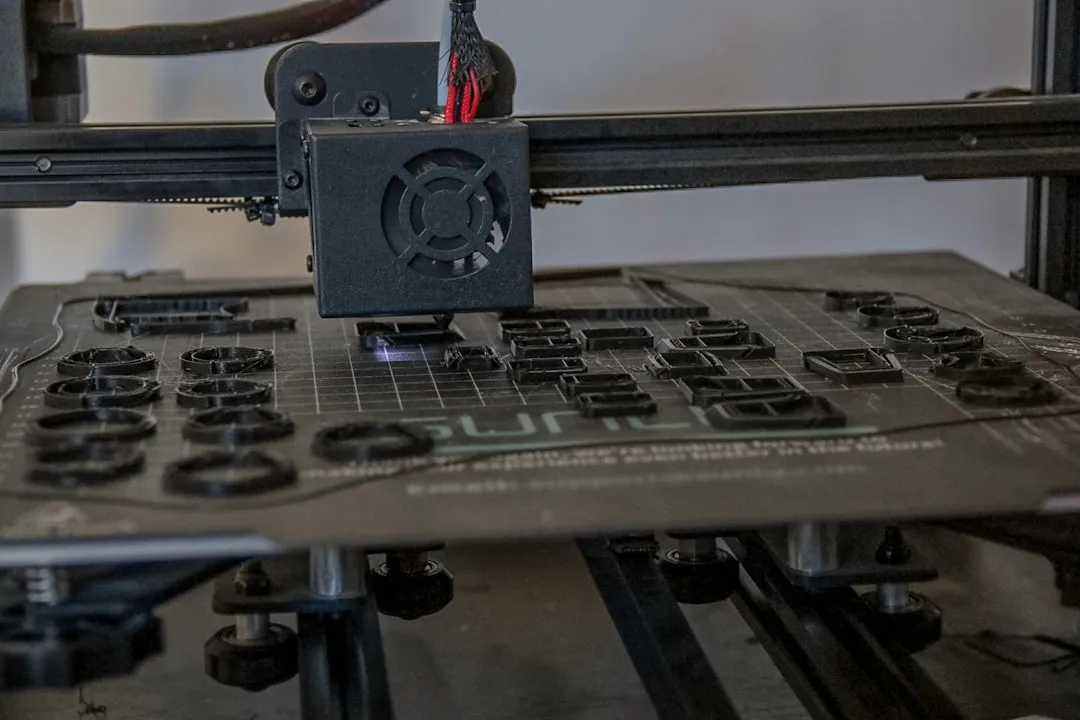
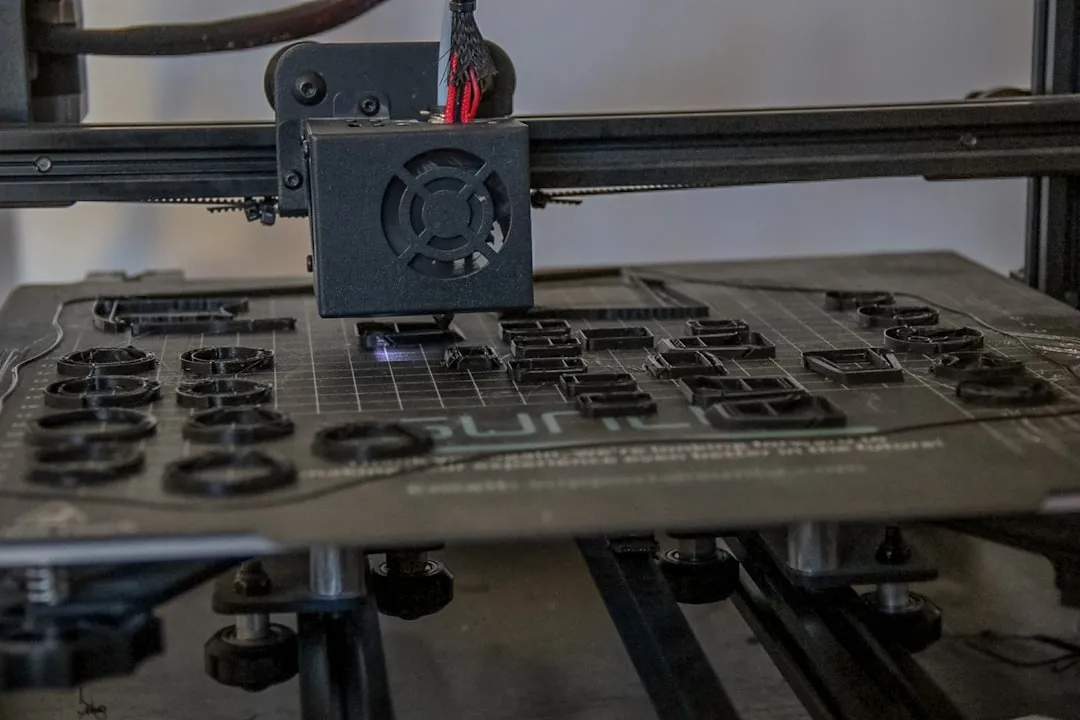
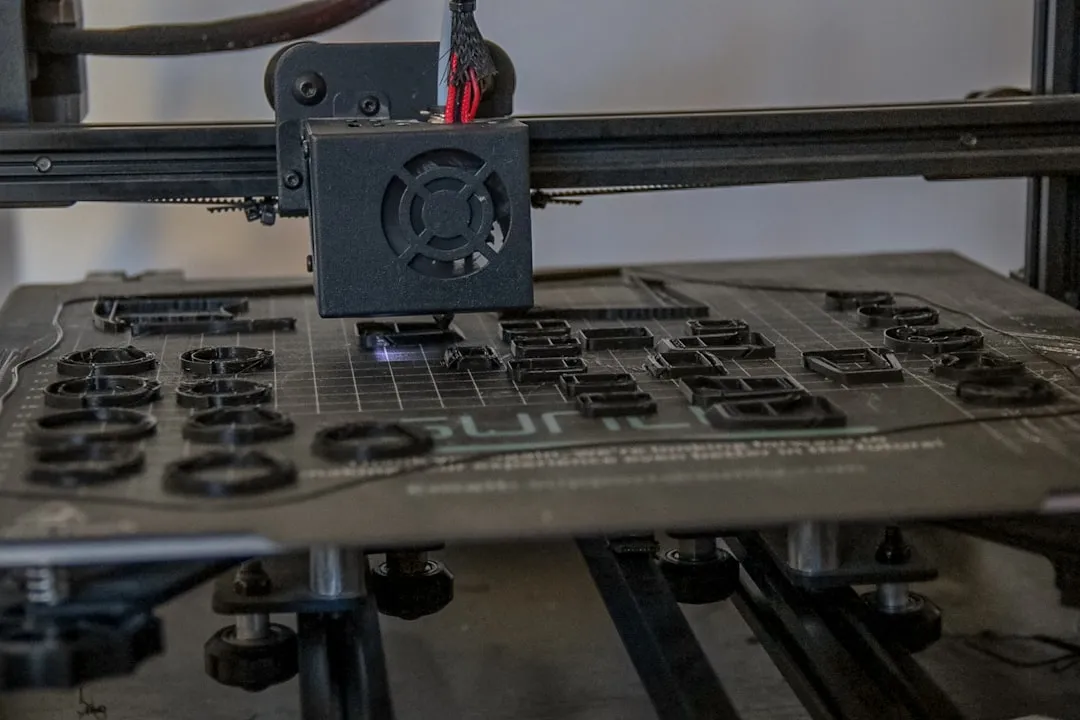
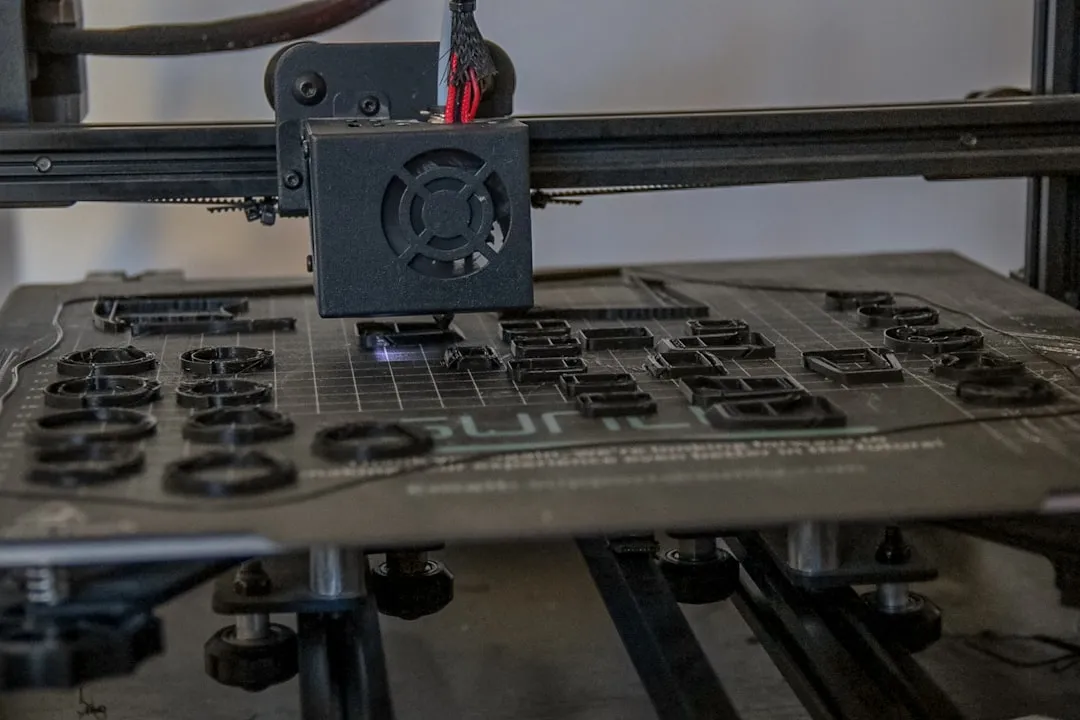
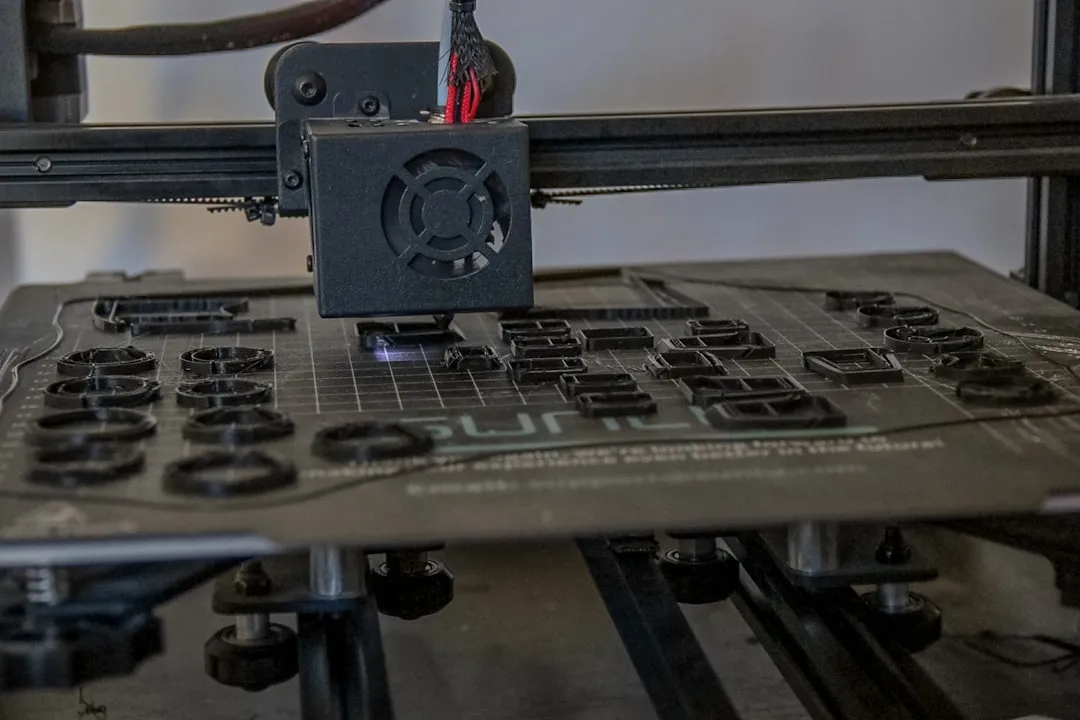
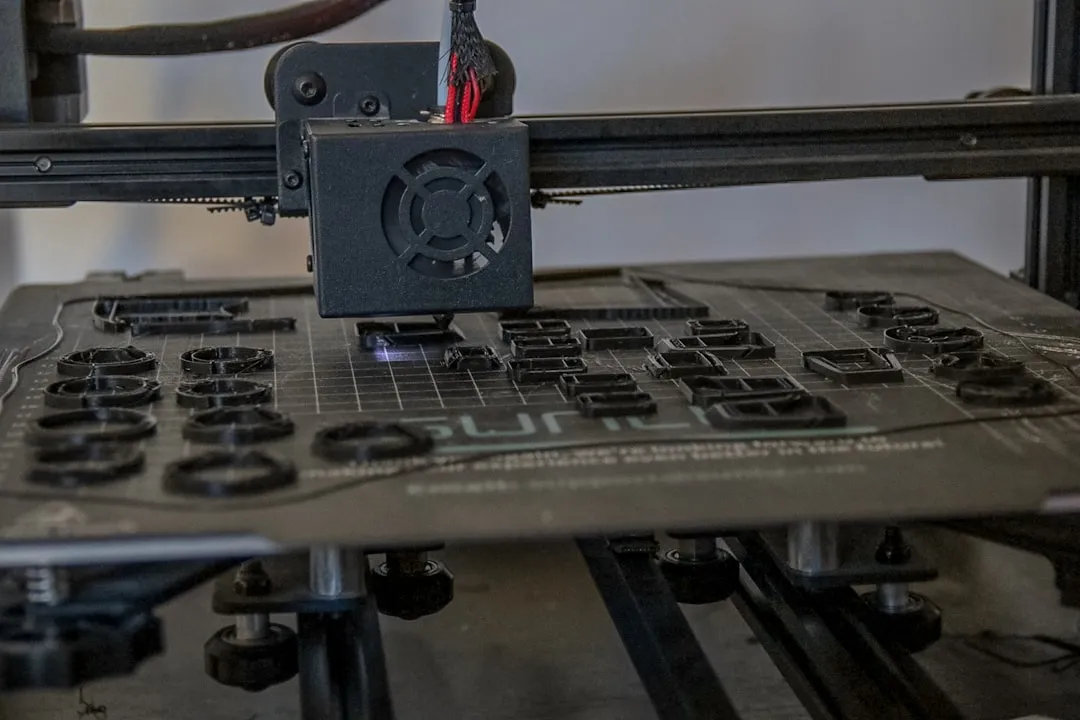
WANDER-bot is entirely 3D-printed and built in pieces. If a part breaks, you just print a new one. This is huge for places where getting new parts is nearly impossible, like on the Moon or Mars. Think about it: a leg snaps in a Martian dust storm, and instead of ending the mission, you just print a fresh one.
We're a new kind of news feed.
Regular news is designed to drain you. We're a non-profit built to restore you. Every story we publish is scored for impact, progress, and hope.
Start Your News Detox
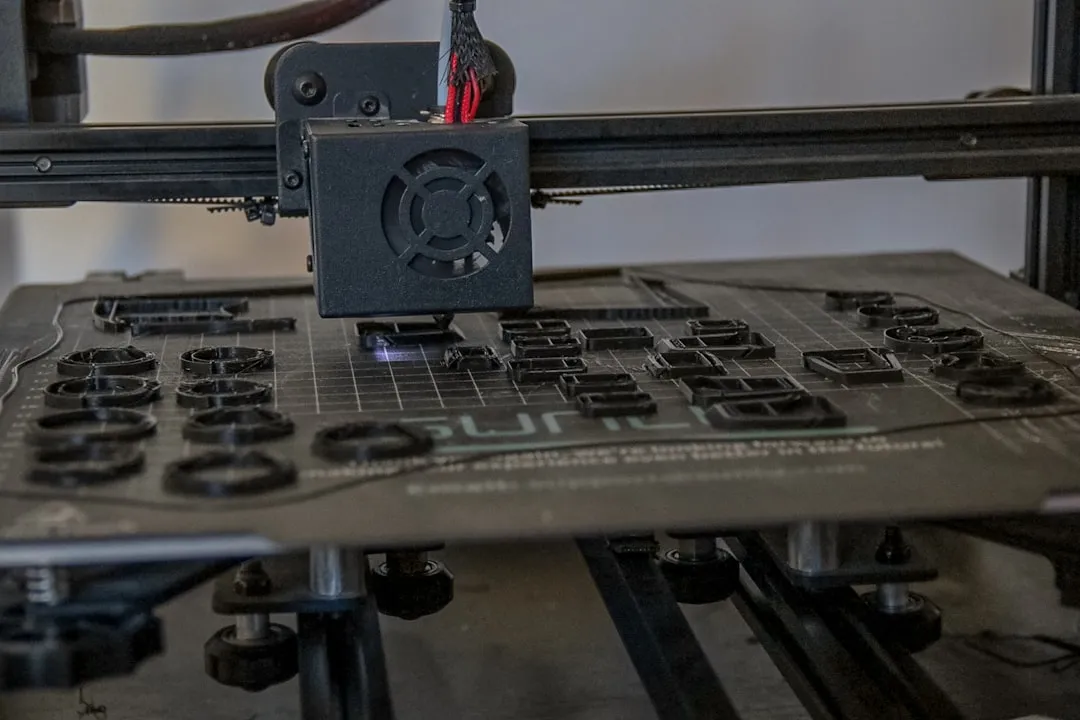
The robot's movement is pretty clever. It uses a spinning wind turbine combined with a multi-legged system. This design is similar to the "Strandbeesten" — those giant, walking wind sculptures you might have seen. The wind turns the turbine, and that mechanical energy directly powers the legs.
Most robots use about 20% of their battery just to move. WANDER-bot bypasses that completely. This means any electronics on board, like cameras or sensors, can run on tiny, lightweight power packs. It frees them up for the actual science.
This wind-powered setup also means WANDER-bot can keep going for much longer mapping missions. It won't slow down like solar-powered robots in bad weather or run out of fuel like nuclear ones. It just keeps on walking as long as the wind blows.
Right now, WANDER-bot is just a prototype, but it's already turning heads. It was even featured at the European Space Agency’s ASTRA Conference. The next step? Teaching it how to turn, so it can tackle even rougher ice or shifting desert dunes. Pretty nuts, right?