Satellites in space go from scorching hot to freezing cold in minutes. This extreme temperature whiplash usually wrecks solar panels. But now, scientists have found a way to make them nearly indestructible.
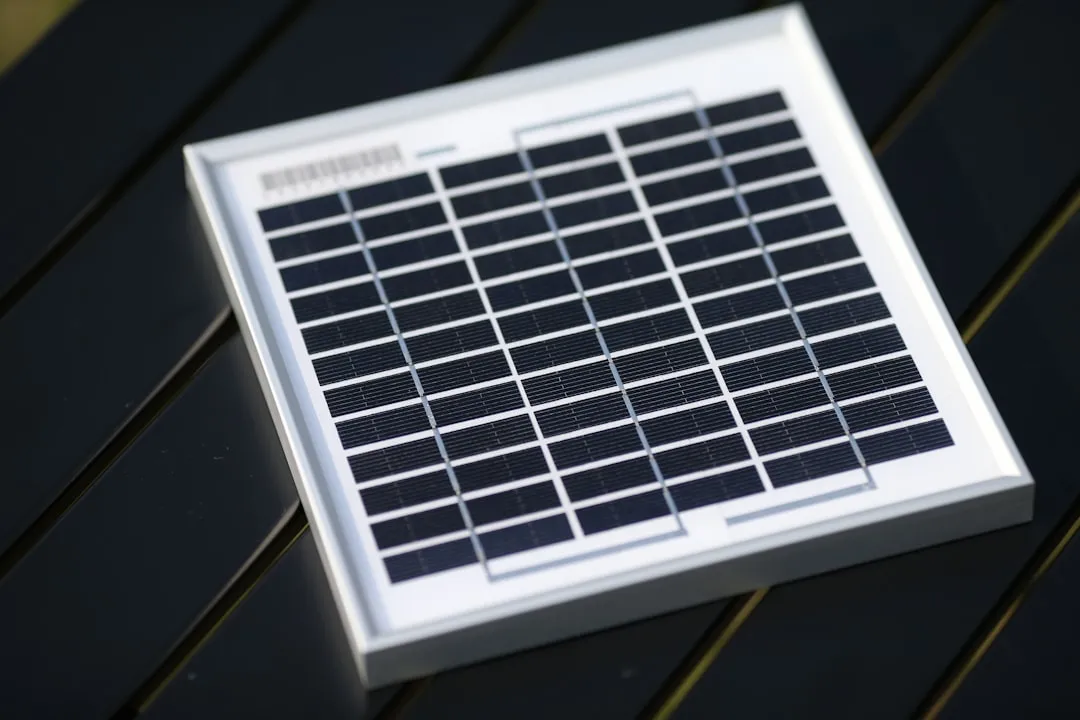
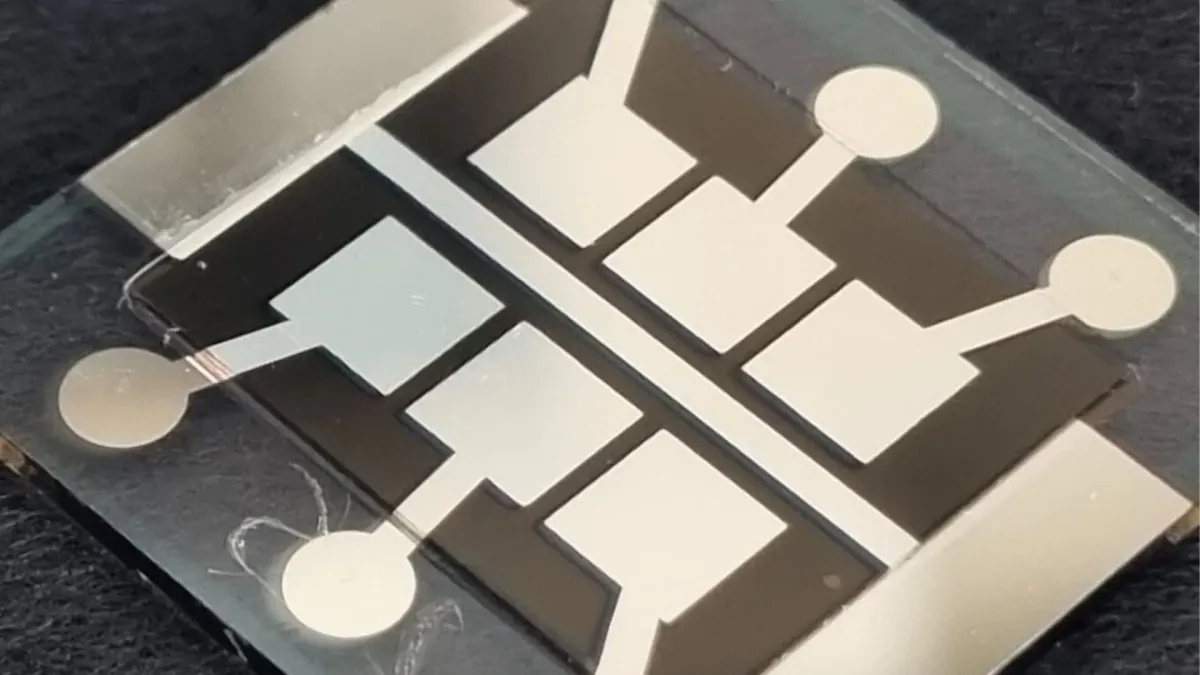
Chemists at Ludwig Maximilian University of Munich essentially knitted solar cells together at a molecular level. This creates a kind of internal shield. The result? These new cells can handle the brutal hot-cold cycles of space without shattering. Seriously cool.
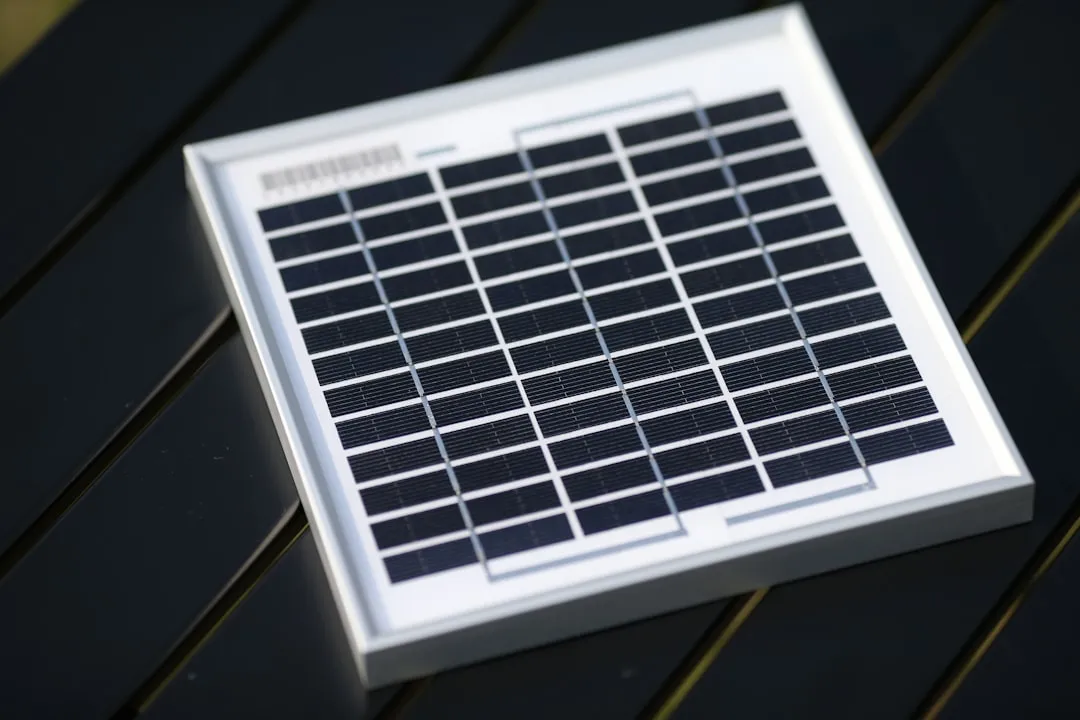
After 16 rounds of extreme temperature changes—from -80°C to +80°C—these reinforced cells still kept 84% of their power. Regular solar cells would have failed way sooner. That's like going from the inside of a freezer to a desert oven, over and over, and still working almost perfectly.
We're a new kind of news feed.
Regular news is designed to drain you. We're a non-profit built to restore you. Every story we publish is scored for impact, progress, and hope.
Start Your News Detox
A Molecular Fix for Fragile Tech
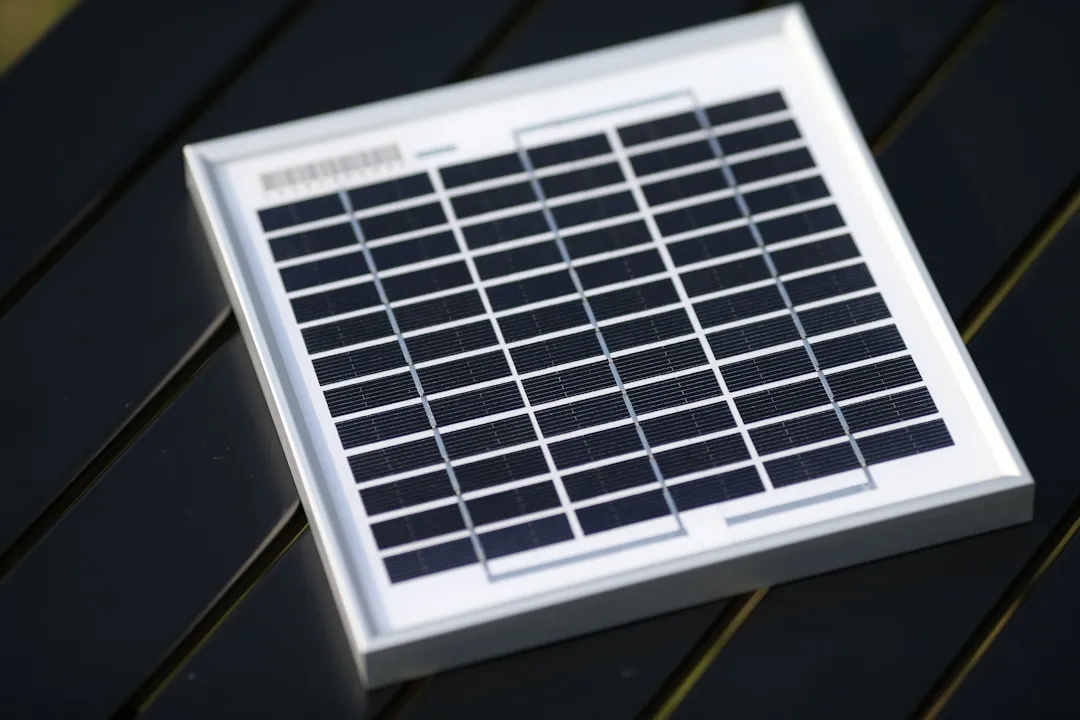
Perovskite solar cells are awesome because they're cheap and efficient. The problem? They're super fragile. In Low Earth Orbit, temperatures swing wildly. This makes the layers inside a solar cell expand and shrink at different speeds. Think of it like tiny internal tug-of-war. This stress causes cracks and layers to peel apart, killing the cell's power.
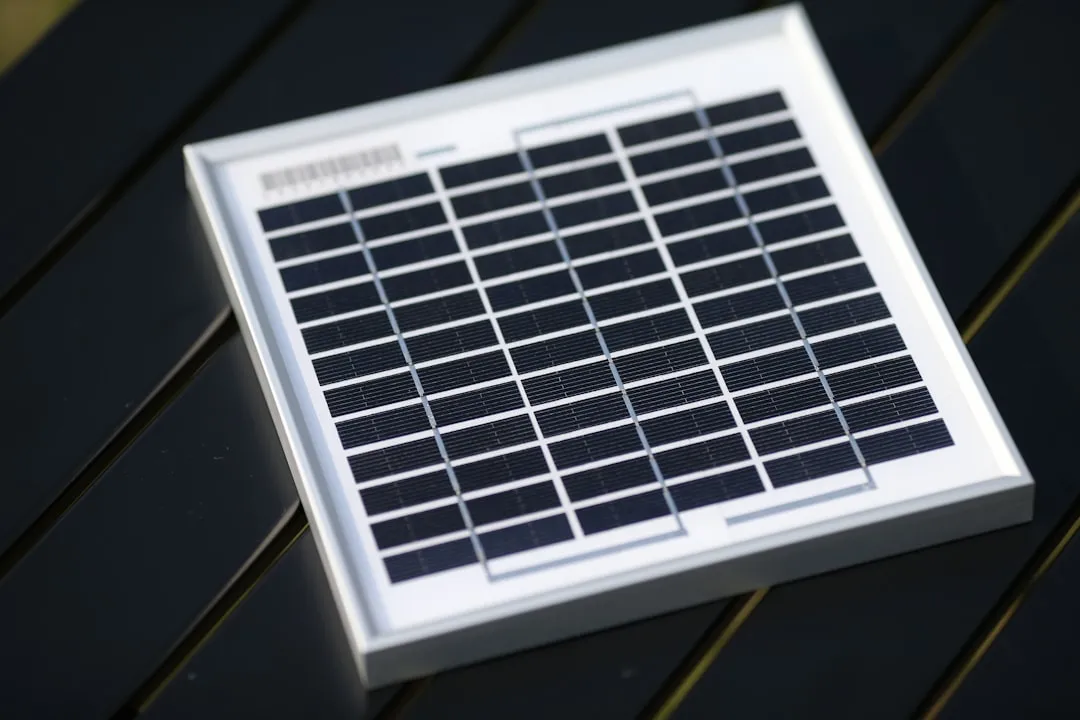
Dr. Erkan Aydin and his team came up with a clever two-part plan to protect these cells. They strengthened both the stuff inside the cell and where it connects to its base.
They used a special molecular glue. One part of this glue, called alpha-lipoic acid, weaves through the cell's material. This stops cracks from forming inside. The other part, a molecule called DMSLA, creates a super strong bond between the cell and its base.
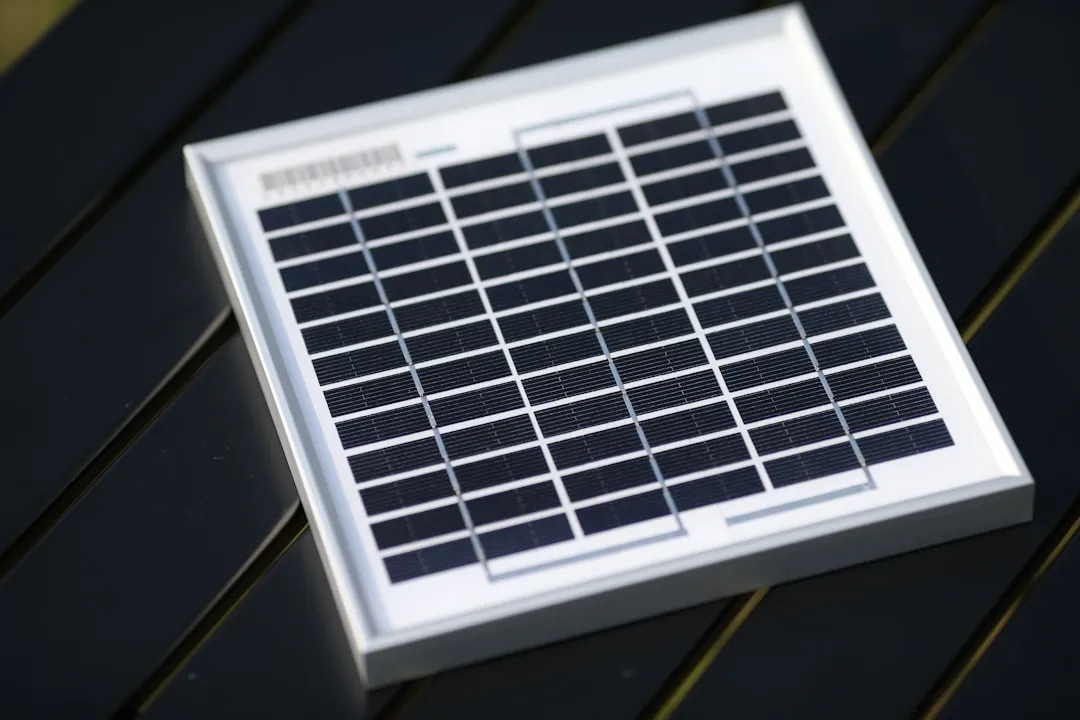
Together, these molecules act like a flexible, protective net. It holds everything together even when the cell expands and contracts. Aydin says it's like an anchored net that keeps the light-absorbing layer stuck to the base. No more peeling!
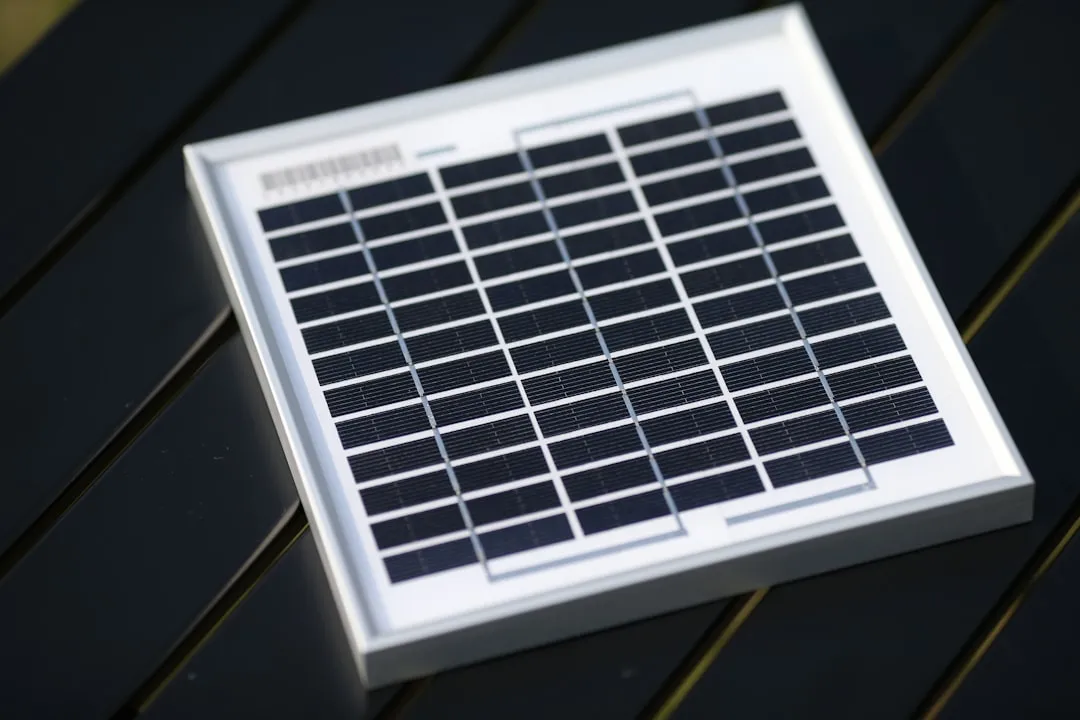
Powering the Future of Space
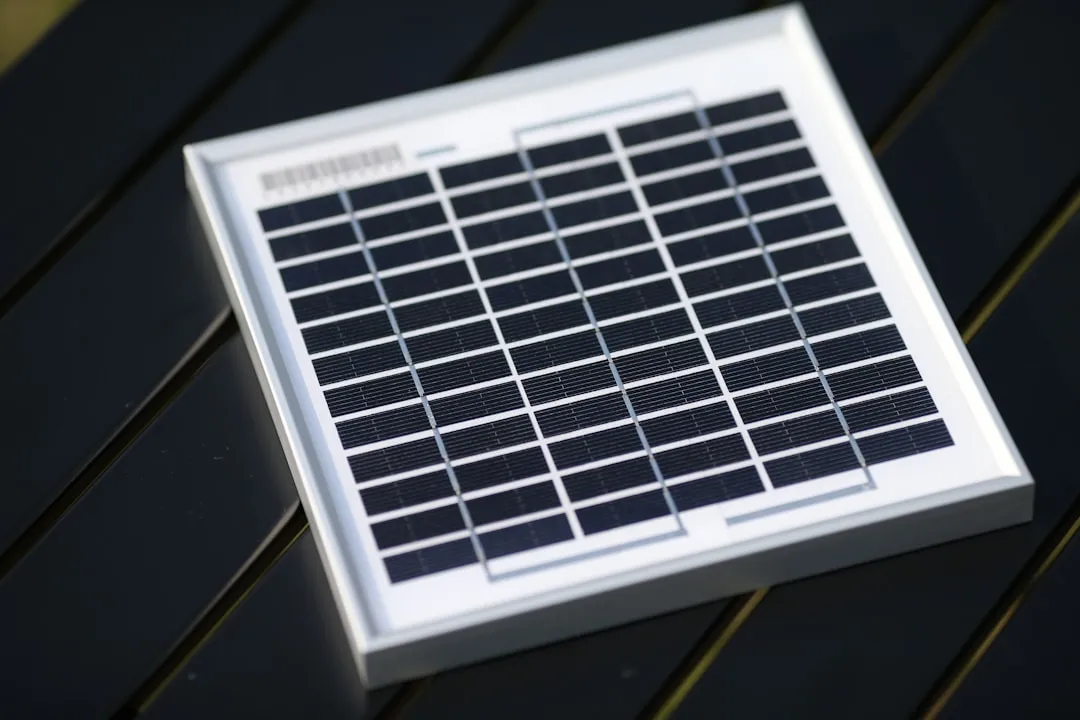
This new tech boosts perovskite solar cells to an impressive 26% efficiency. And it makes them incredibly tough for extreme places.
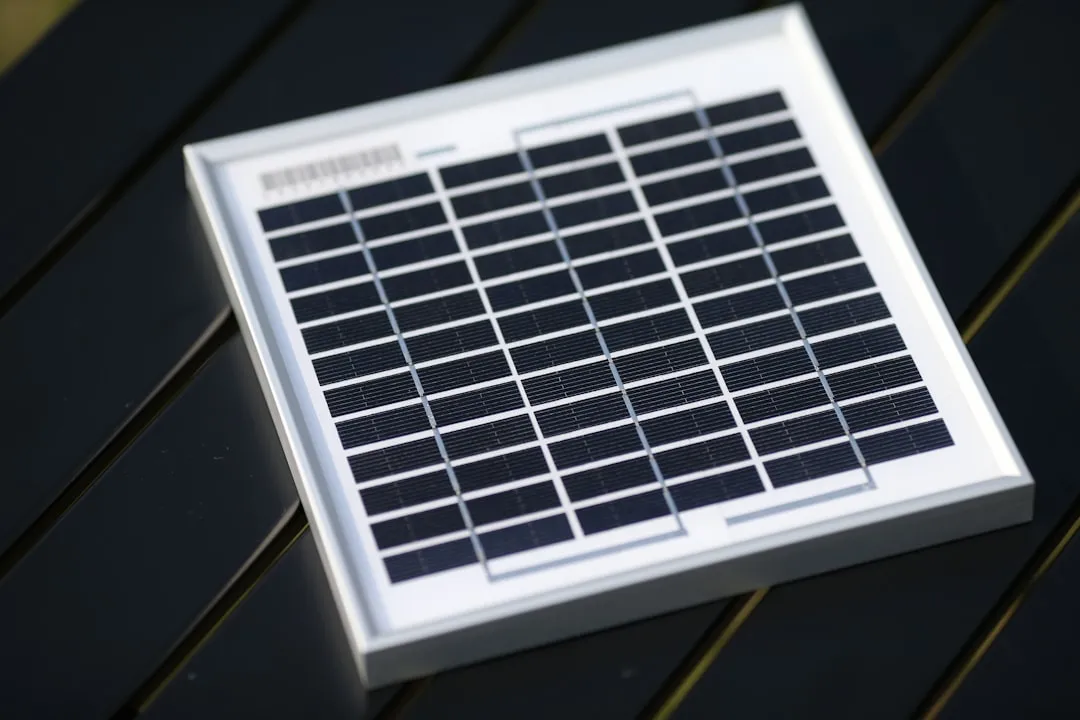
Their tests showed that this molecular reinforcement provides long-term strength. That's a huge deal for satellites, high-flying aircraft, and even deep-space missions. It means we could have lighter, more reliable power sources for all sorts of space tech.
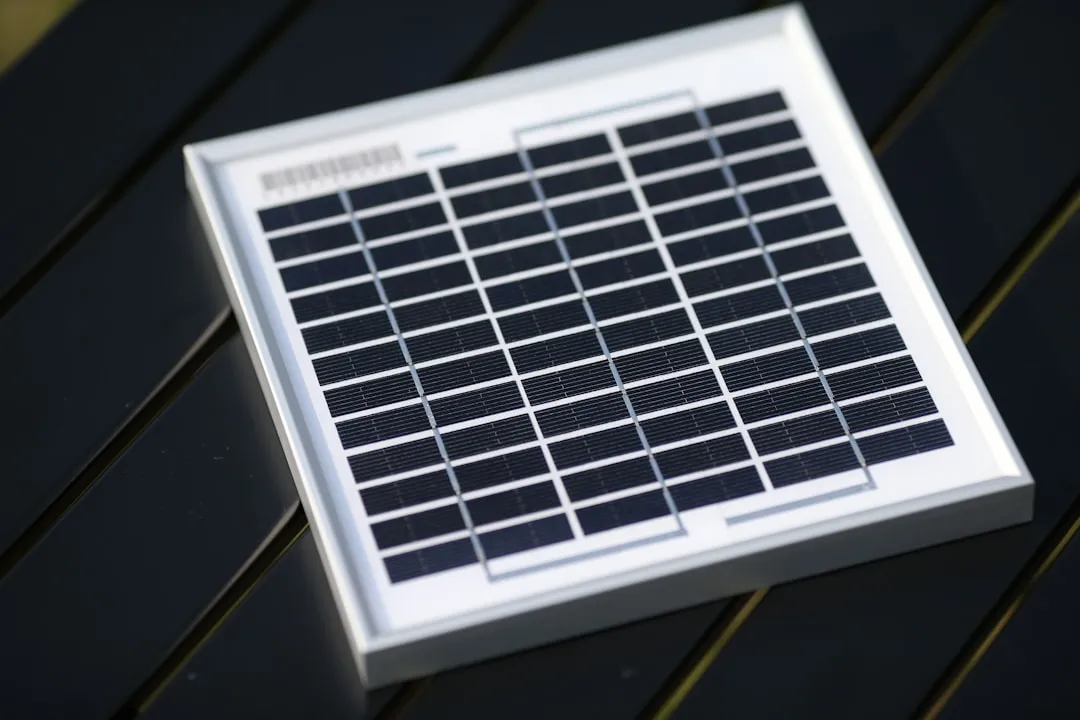
The team is now working to make these space-ready cells even better. Imagine solar panels that never break down, no matter what space throws at them. That's pretty nuts.