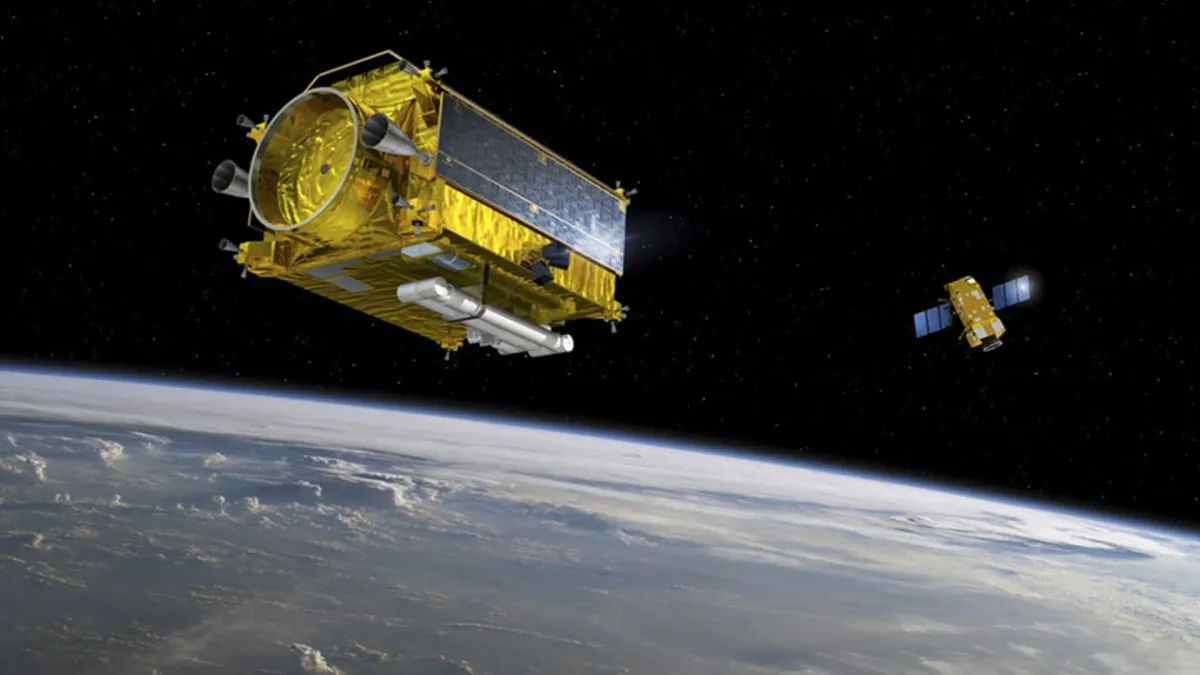
Imagine a battery that never needs charging. Seriously. Engineers are now building tiny nuclear batteries that could power devices for years, even in the deepest oceans or coldest reaches of space.
This isn't sci-fi. It's called radiovoltaics. This tech turns nuclear radiation directly into electricity, kind of like a tiny, super-long-lasting power plant for sensors and spacecraft. No sun needed, no plugs, just steady energy.
DARPA, the US defense research agency, is backing a $2.8 million project to make these micro-batteries a reality. Teams from the University of Toledo and the University of Missouri are leading the charge.
We're a new kind of news feed.
Regular news is designed to drain you. We're a non-profit built to restore you. Every story we publish is scored for impact, progress, and hope.
Start Your News Detox
Their goal is to create devices that can churn out 10 watts of power for every kilogram of weight. That's a lot of juice for something so small, way more than current systems.
Think of it like a solar panel, but instead of sunlight, it uses radioactive material. These special batteries use charged particles from this material to make electricity, keeping devices running in places where sunlight is scarce or nonexistent.
The secret sauce? A material called gallium oxide. This semiconductor can handle a lot more radiation than others. This means the batteries could be more efficient and last even longer, which is pretty crucial when you can't just swap out a battery pack.
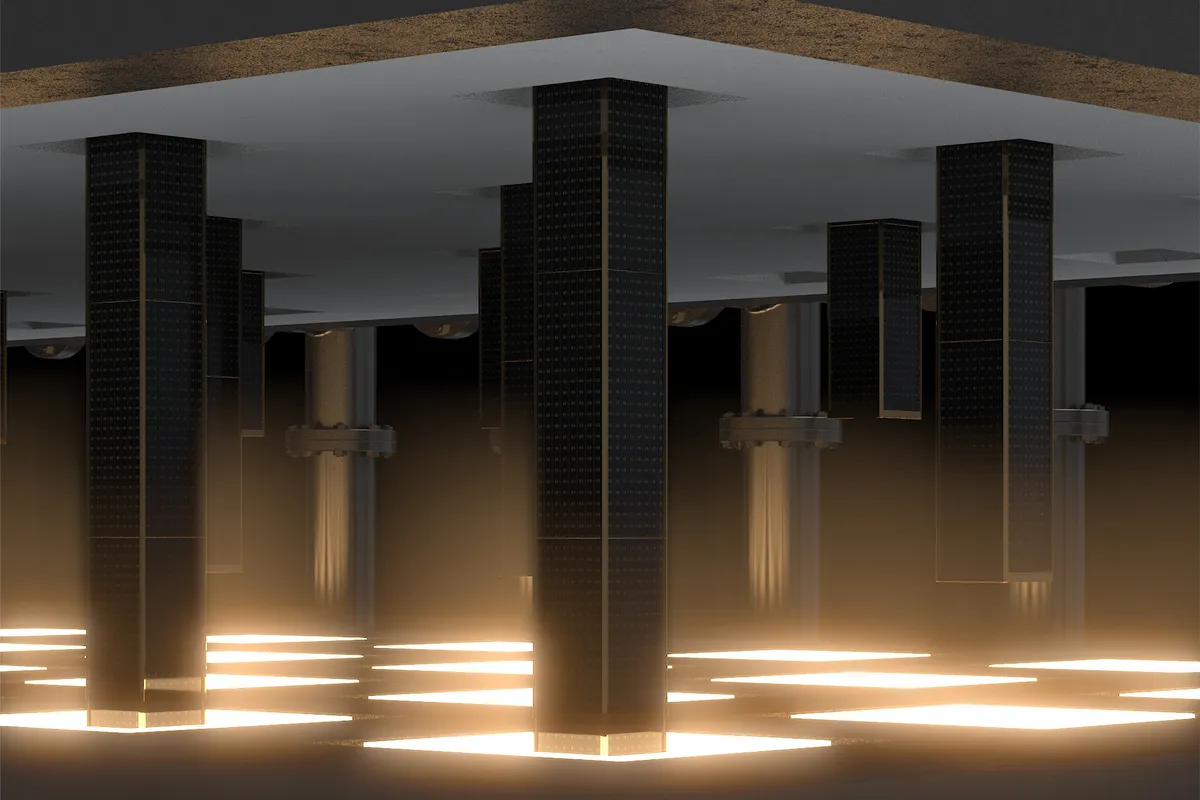
Right now, the Toledo team is using computer models to design the perfect tiny power source. They're testing virtual batteries to find the best setup before building anything real. Once they have a solid plan, other teams like Pennsylvania State University and the Naval Research Laboratory will jump in to create the physical devices.
This whole project could change how we explore. Imagine probes staying active on distant planets for decades, or ocean sensors monitoring climate changes without ever needing a boat to replace their power. It's a clever way to keep our eyes and ears on the most remote parts of our universe and our own planet.