Imagine storing extra power from the grid as heat in blocks of carbon, heated to a mind-blowing 4,350 degrees Fahrenheit. That's nearly half the temperature of the sun's surface. And it's exactly what an MIT spinout called Fourth Power is doing.
This clever new battery aims to fix a big problem for clean energy. Wind and solar power are great, but sometimes they make more electricity than we need. Or not enough. We need somewhere to stash that extra power for later.
Fourth Power's system can hold onto power for 10 to over 100 hours. The best part? It's way cheaper than today's common lithium-ion batteries for long-term storage.
We're a new kind of news feed.
Regular news is designed to drain you. We're a non-profit built to restore you. Every story we publish is scored for impact, progress, and hope.
Start Your News DetoxHow it Works
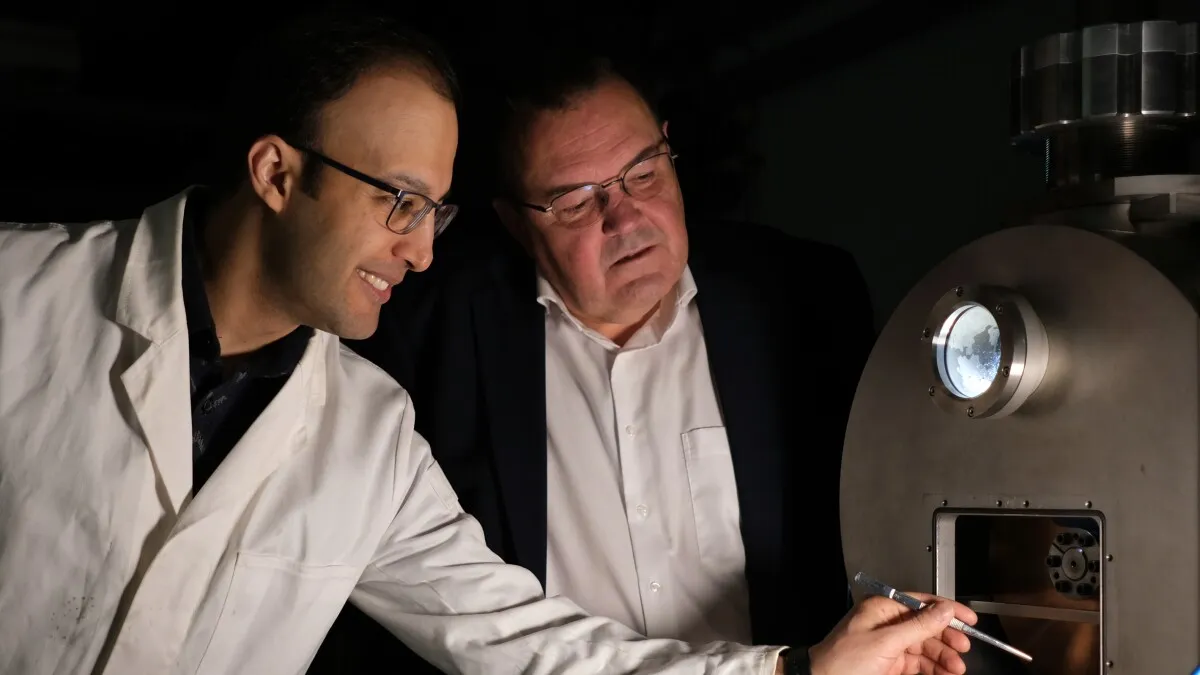
MIT professor Asegun Henry, who founded Fourth Power, designed this system. It uses molten tin to move the intense heat around. Henry actually earned a Guinness World Record in 2017 for creating the hottest liquid pump, which is pretty wild.

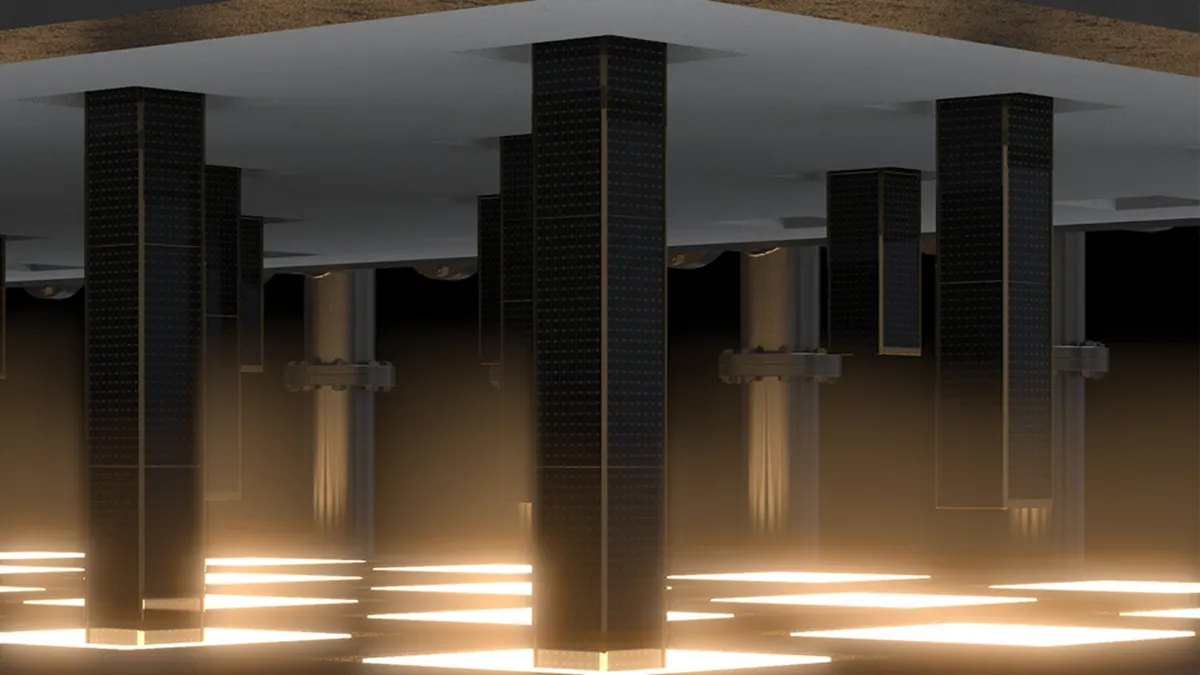
When these carbon blocks are fully charged, they glow blindingly white-hot. Then, special cells called thermophotovoltaic (TPV) cells catch that light. They work a lot like solar panels, but they're designed to turn heat radiation directly into electricity.
The team even set a record for TPV cell efficiency, converting light to electricity at over 40%. The secret sauce is that super high temperature. Hotter temperatures mean faster heat transfer, which makes the whole system smaller and cheaper to build.

Unlike metals, which get expensive and break down when they get too hot, carbon (like graphite) can handle extreme heat without corroding. And the molten tin doesn't react with the carbon, keeping everything stable.
This means the battery can be charged and discharged many, many times without wearing out much. It only loses about one percent of its stored heat each day. That's seriously good for storing energy over long periods, like when the wind isn't blowing or the sun isn't shining.
This tech is perfect for power companies, renewable energy farms, and even data centers. It offers a reliable backup as we lean more into wind and solar. Imagine a modular design where you can just add more storage units as needed. One storage module gives you 10 hours, two gives you 20, and so on.
Fourth Power plans to show off a one-megawatt-hour demo system later this year. A full-scale system could power 25 MW and store 250 MWh, all in about half the size of a football field. This could be a game-changer for how we store our clean energy.