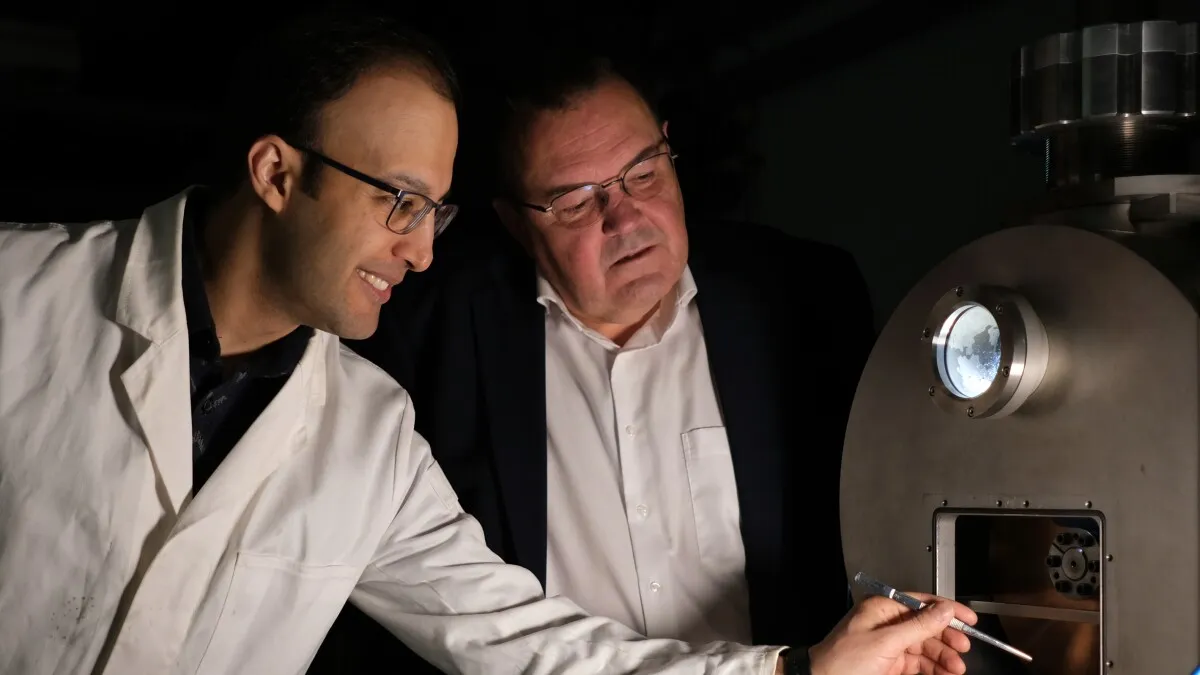
Imagine a battery that gets hot enough to glow like the sun, then uses that heat to power entire cities for days. That's exactly what MIT Professor Asegun Henry and his company, Fourth Power, are building. They've figured out how to store energy as extreme heat, and it's seriously clever.
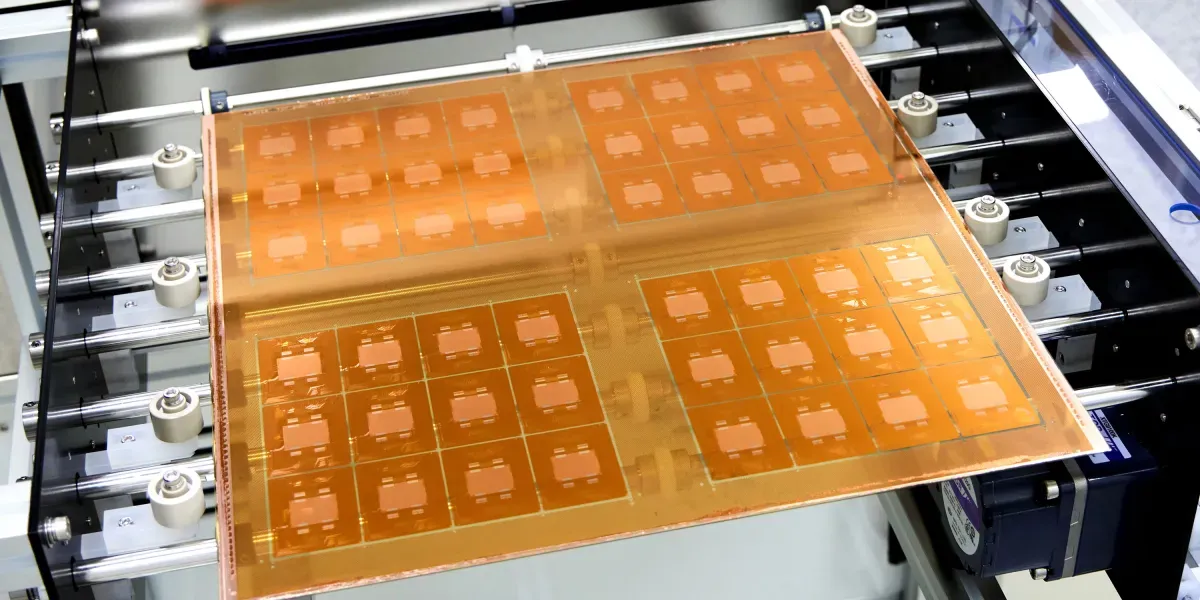
Here's the wild part: their system uses molten metal to move heat, which then gets stored in special carbon bricks. When electricity is needed, those glowing hot bricks heat up liquid tin, which then flows past cells that convert the light directly into electricity. Think of it like a super-efficient solar panel, but instead of sunlight, it's powered by its own intense glow.
Henry actually set a Guinness World Record in 2017 for the hottest liquid pump, hitting 1,200 degrees Celsius. That might sound like a flex, but it's key: the hotter you get something, the more light it blasts out. And more light means more electricity. His team even made a lab cell that turned this light into power with over 40% efficiency – a big deal.
We're a new kind of news feed.
Regular news is designed to drain you. We're a non-profit built to restore you. Every story we publish is scored for impact, progress, and hope.
Start Your News Detox
Fourth Power is now testing parts of this system at temperatures nearly half as hot as the sun. They're aiming to provide power for grids, power plants, and even data centers, offering 10 to over 100 hours of electricity. That’s like keeping the lights on in a whole city for days, not just hours.
Why Extreme Heat Changes Everything
The secret sauce is the insane heat. Fourth Power's thermal battery operates between 1,900 and 2,400 degrees Celsius. Henry explains that pushing temperatures this high means faster heat transfer and smaller systems, which ultimately makes everything cheaper. This also means the storage cost is way lower than typical lithium-ion batteries for large-scale use.

Henry's journey to this point is pretty cool. He realized that while ceramics can handle crazy high temperatures, they're not used much in heat transfer. So, he spent years developing a pump made from ceramics and graphite, using white-hot liquid tin because it plays nice with carbon and stays liquid over a huge temperature range.
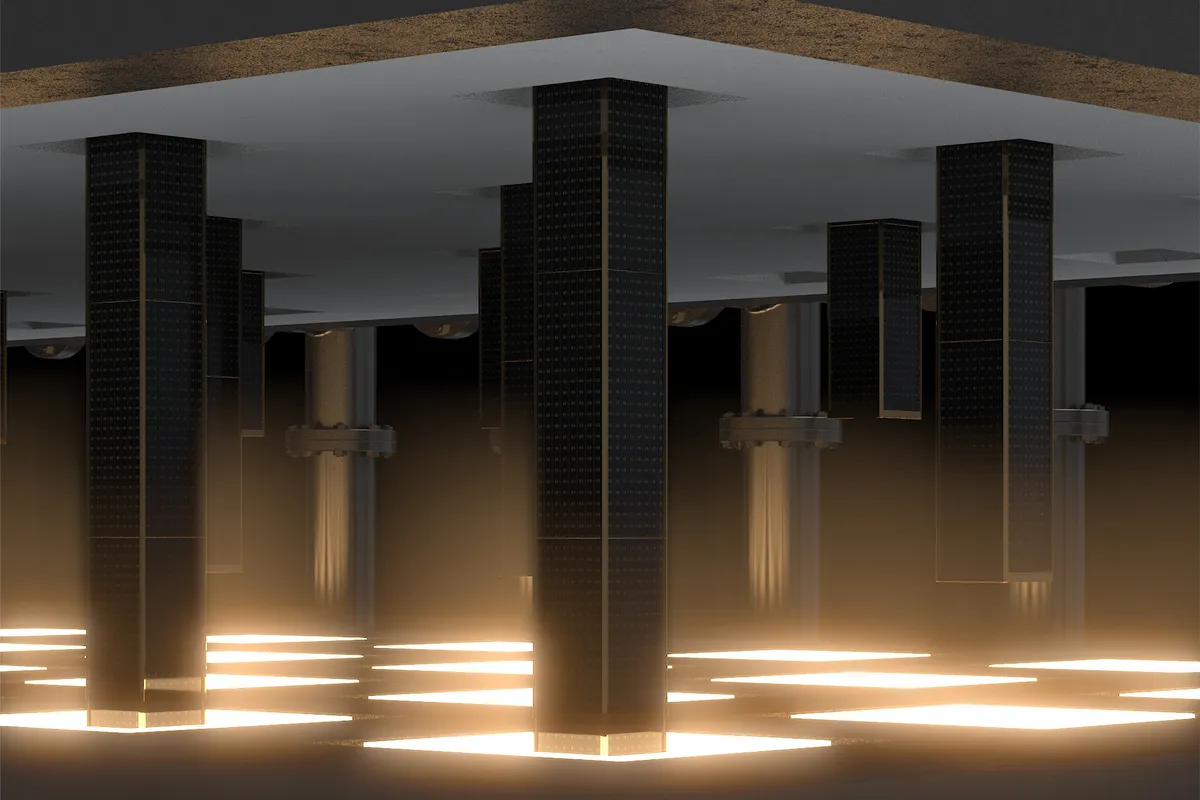
When the system is "charged," it uses excess electricity to heat massive graphite bricks — six feet long and 20 inches thick — to about 2,400 Celsius. When power is needed, the hot bricks heat the tin, which flows through graphite pipes to the special cells. These cells can be "dipped into the light" to generate power or pulled back out to stop it, giving them precise control.

Fourth Power plans to fire up a 1-megawatt-hour system at its headquarters later this year. A full-scale version could offer 25 megawatts of power and 250 megawatt-hours of storage, all in an area about half the size of a football field. That's incredibly power-dense compared to other storage tech.
These units are also modular, meaning utilities can start small and add more storage as needed. Imagine a 10-hour battery that you can easily upgrade to a 20-hour battery just by adding another storage module. That flexibility is huge as we rely more on renewable energy.
Utilities need solutions that are both cheap and reliable. Lithium-ion batteries hit one of those marks, but the world needs something much cheaper and just as, if not more, dependable. Fourth Power is betting that extreme heat is the answer, and they're about to show us how it works.