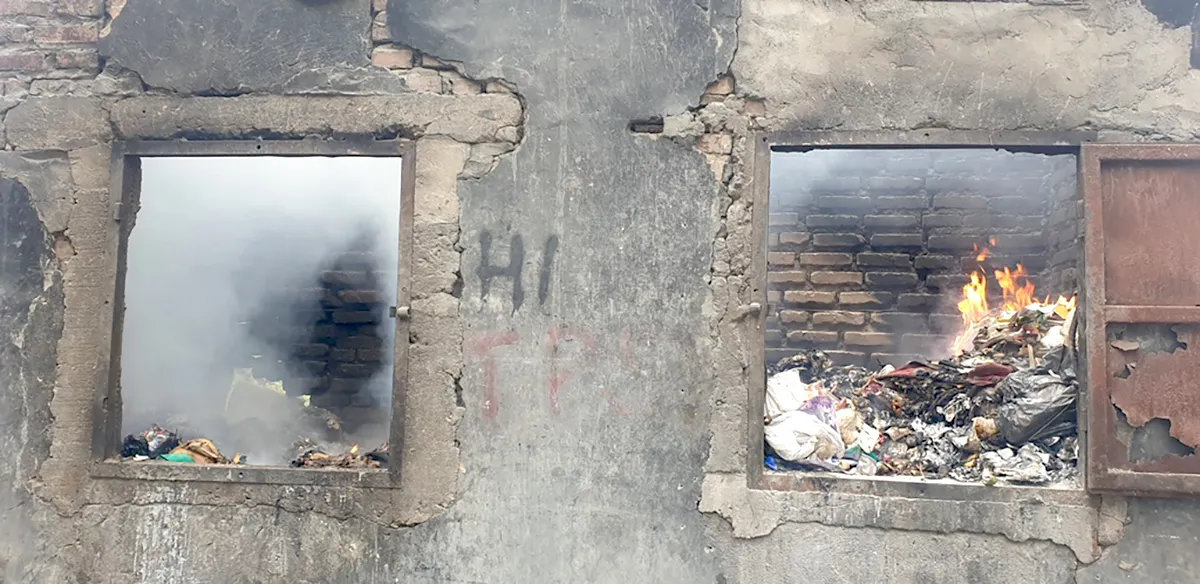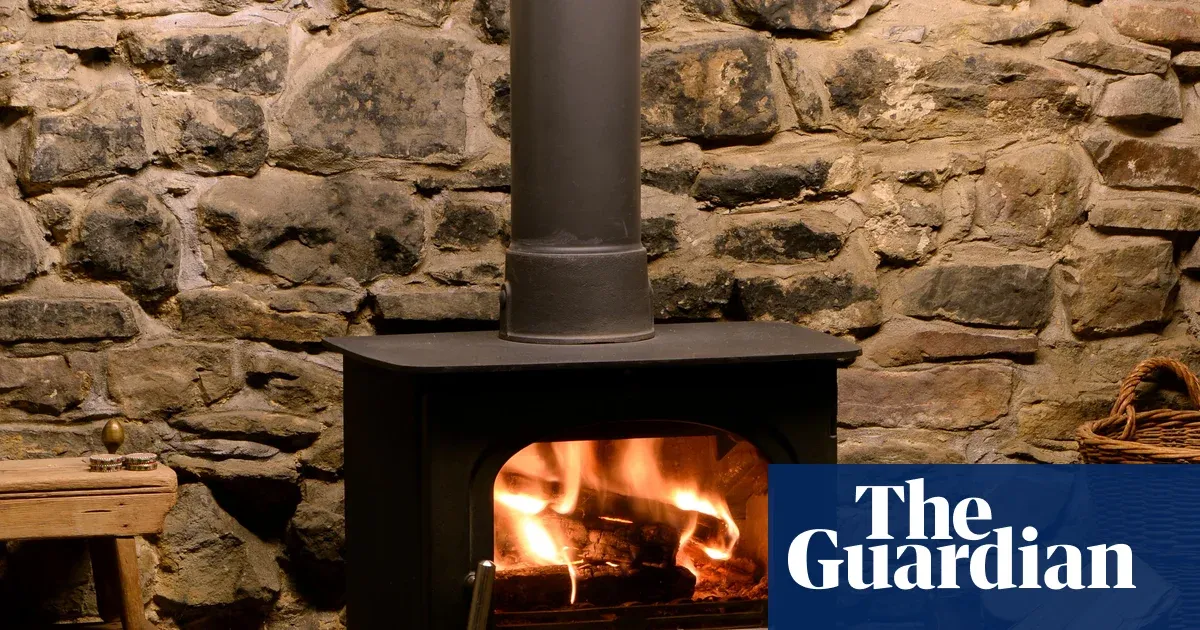
Wood smoke is quietly one of Britain's biggest air quality problems. It contributes a fifth of the fine particles in UK air—matching all road transport combined—yet most people don't think twice about lighting a fire on a cold evening.
Now the government is moving to change that. Under new proposals, every new wood-burning stove sold in the UK will carry a health warning, much like cigarette packets. The suggested label reads: "Please be aware that this appliance emits air pollution into and around your home which can harm your health."
It's a recognition of something the research has made undeniable: burning wood in homes is linked to around 2,500 early deaths annually in the UK, alongside 3,700 cases of diabetes and 1,500 cases of asthma. These aren't marginal health impacts. They're significant.
We're a new kind of news feed.
Regular news is designed to drain you. We're a non-profit built to restore you. Every story we publish is scored for impact, progress, and hope.
Start Your News DetoxWhat's actually changing
The proposals go beyond warnings. The government wants to tighten emissions limits on new stoves from 5 grams of smoke per hour to just 1 gram—an 80% cut. Wood sold for burning would also carry health warnings. Fines for fuel suppliers selling damp wood (which burns dirtier) would jump from £300 to £2,000.
The good news: about 70% of stoves tested since 2018 already meet the stricter limit, so the shift is technically feasible. The less encouraging news is that this only applies to new stoves. The UK has roughly 2 million wood-burning stoves in homes right now, most of them older and dirtier. The consultation estimates these new rules would cut annual toxic emissions by just 10% over the next decade.
The enforcement gap
There's another problem lurking in the details. Research shows that despite 15,195 complaints about illegal wood burning in England in the year to August 2025, not a single prosecution was made. Local authorities issued just 24 fines. The rules exist, but they're barely enforced—which means even stricter limits on new stoves won't address the pollution already pouring from millions of chimneys.
Clean air campaigners have pointed this out, arguing the proposals don't go nearly far enough. They've compared the approach to marketing low-tar cigarettes: slightly better, but still fundamentally harmful. The real issue, they say, is that the government is treating this as a labeling problem when it's actually an enforcement and retrofit problem.
The consultation closes on 19 March. What happens next will depend partly on whether the final policy treats wood burning as a minor air quality issue or what it actually is: a significant source of preventable harm, concentrated in homes where people spend their most vulnerable hours.