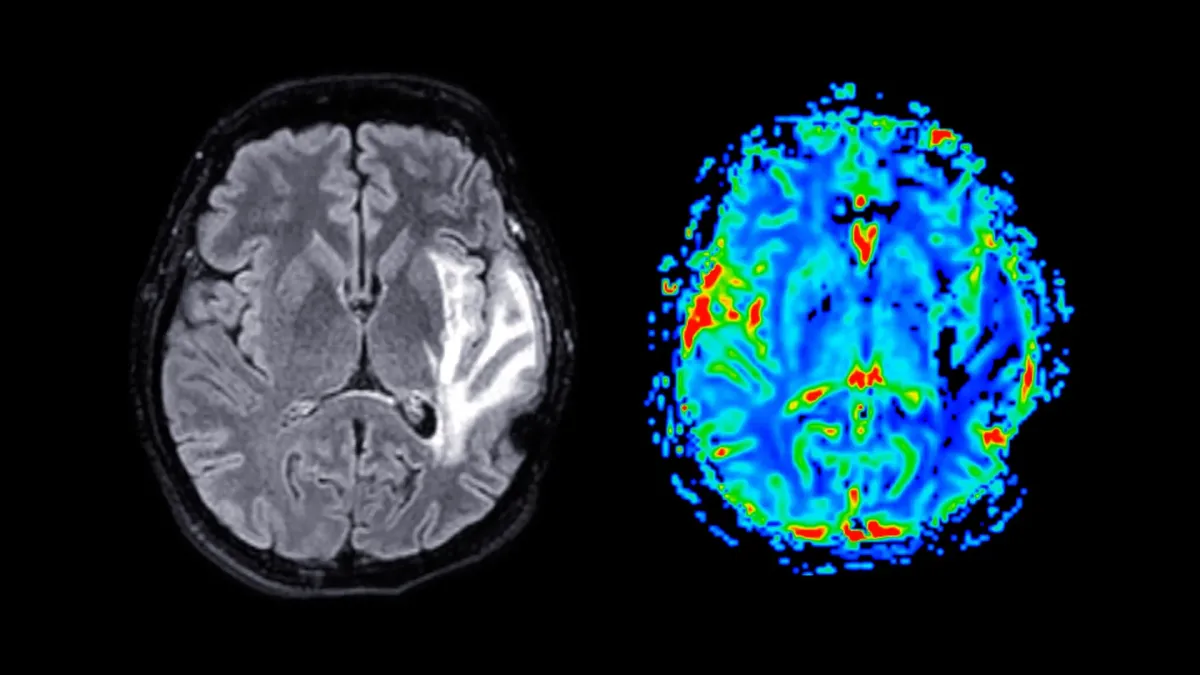
A new genetic study suggests that obesity and high blood pressure don't just increase dementia risk — they may directly cause it. Researchers analyzing data from Denmark and the U.K. found strong evidence that carrying extra weight damages brain health over time, particularly when it leads to elevated blood pressure. Much of this damage appears to happen through vascular injury in the brain, which disrupts blood flow and cognitive function.
This matters because it reframes dementia prevention from something abstract to something concrete. "High body mass index and high blood pressure are direct causes of dementia," says Ruth Frikke-Schmidt, a professor and chief physician at Copenhagen University Hospital. "The treatment and prevention of elevated BMI and high blood pressure represent an unexploited opportunity for dementia prevention."
The researchers used a method called Mendelian randomization, which works like a randomized controlled trial by analyzing genetic data across large populations. This approach allowed them to isolate high BMI as a direct cause of dementia risk, rather than just a correlation.
We're a new kind of news feed.
Regular news is designed to drain you. We're a non-profit built to restore you. Every story we publish is scored for impact, progress, and hope.
Start Your News DetoxThe vascular connection
The analysis revealed something important: much of the dementia risk linked to obesity appears to flow through high blood pressure. In other words, weight gain damages the brain partly by raising blood pressure, which then damages the blood vessels that feed brain cells. This finding suggests that interventions targeting both conditions — not just one — could lower dementia risk later in life.
Weight-loss medications have been tested for slowing cognitive decline once Alzheimer's symptoms appear, with limited success. But the question now is whether early intervention, before symptoms show up, could prevent dementia from developing in the first place. "Our present data would suggest that early weight-loss interventions would prevent dementia, and especially vascular-related dementia," Frikke-Schmidt notes.
The implication is significant: managing blood pressure and weight in midlife might be one of the most straightforward ways to protect your brain decades later. Not a guarantee, but a measurable opportunity.