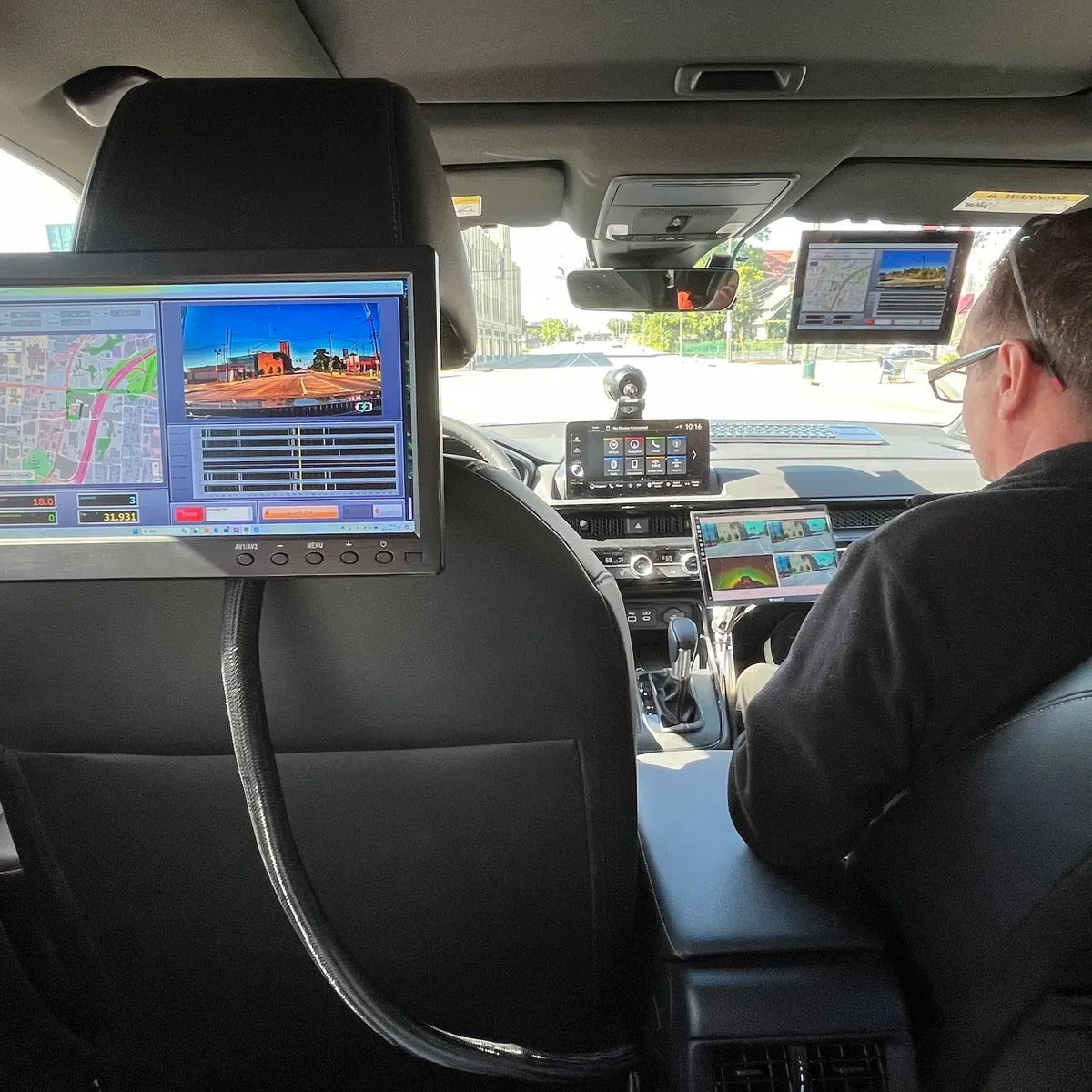
Ohio Department of Transportation staff just finished a two-year experiment that might reshape how roads get maintained. Instead of sending crews out to hunt for potholes and damaged guardrails, Honda vehicles equipped with cameras and lidar sensors did the spotting — and caught problems with striking accuracy.
The pilot covered 3,000 miles across central and southeastern Ohio. The sensors detected damaged or blocked signs with 99% accuracy, damaged guardrails at 93%, and potholes at 89%. Those aren't perfect numbers, but they're precise enough to matter. ODOT estimates the technology could save the department over $4.5 million annually by reducing the need for manual road inspections.
Why This Shifts Something Real
The immediate win is safety. Road maintenance crews spend hours driving highways looking for defects, which means time in traffic, exposure to passing vehicles, and fatigue. "Creates a safer environment for our workers while they gather the critical information and data needed to ensure Ohio's highways are maintained," ODOT Director Pam Boratyn said. That's not hyperbole — roadside work is genuinely dangerous.
We're a new kind of news feed.
Regular news is designed to drain you. We're a non-profit built to restore you. Every story we publish is scored for impact, progress, and hope.
Start Your News DetoxBut there's a larger pattern here. The pilot involved state-owned vehicles, which is controlled and useful. The next phase, though, opens something different. Honda plans to let regular drivers opt in to share anonymized road data as they drive their own cars. Imagine thousands of commuters becoming inadvertent road inspectors, each vehicle collecting data on potholes and pavement quality without adding a second to their commute.
"By opting in to share their vehicle-generated data with state DOTs, customers can help build a powerful, crowdsourced network that identifies road deficiencies and improves safety for everyone sharing the road," said Sue Bai, chief engineer of sustainability and business development at American Honda Motor Co.
This is the kind of infrastructure innovation that doesn't make headlines but compounds quietly. A single vehicle's data is useful. A thousand vehicles' data becomes a live map of road conditions. It turns the problem of road maintenance from something reactive — waiting for someone to report a pothole — into something predictive. Maintenance crews can be routed to problems before they become dangerous.
The collaboration involved i-Probe, Parsons, and the University of Cincinnati, which signals this isn't just a Honda project. It's a model other states and vehicle manufacturers could adapt. The next phase focuses on scaling the system for actual operations, which means Ohio is moving from "this works in theory" to "this works in practice."