For the first time, the world's major sports organizations are moving toward a single set of rules for transgender athletes — a shift that ends years of fragmented policies across different federations and sports.
The International Olympic Committee announced Saturday that consensus has been reached on new eligibility criteria, with the formal policy expected this year. Currently, each sport writes its own rules. World Aquatics allows transgender athletes who transitioned before age 12 to compete in women's categories. World Rugby bans all transgender athletes from elite competition. Swimming has different thresholds again. This patchwork has created confusion for athletes, governing bodies, and fans.
What the new policy aims to do
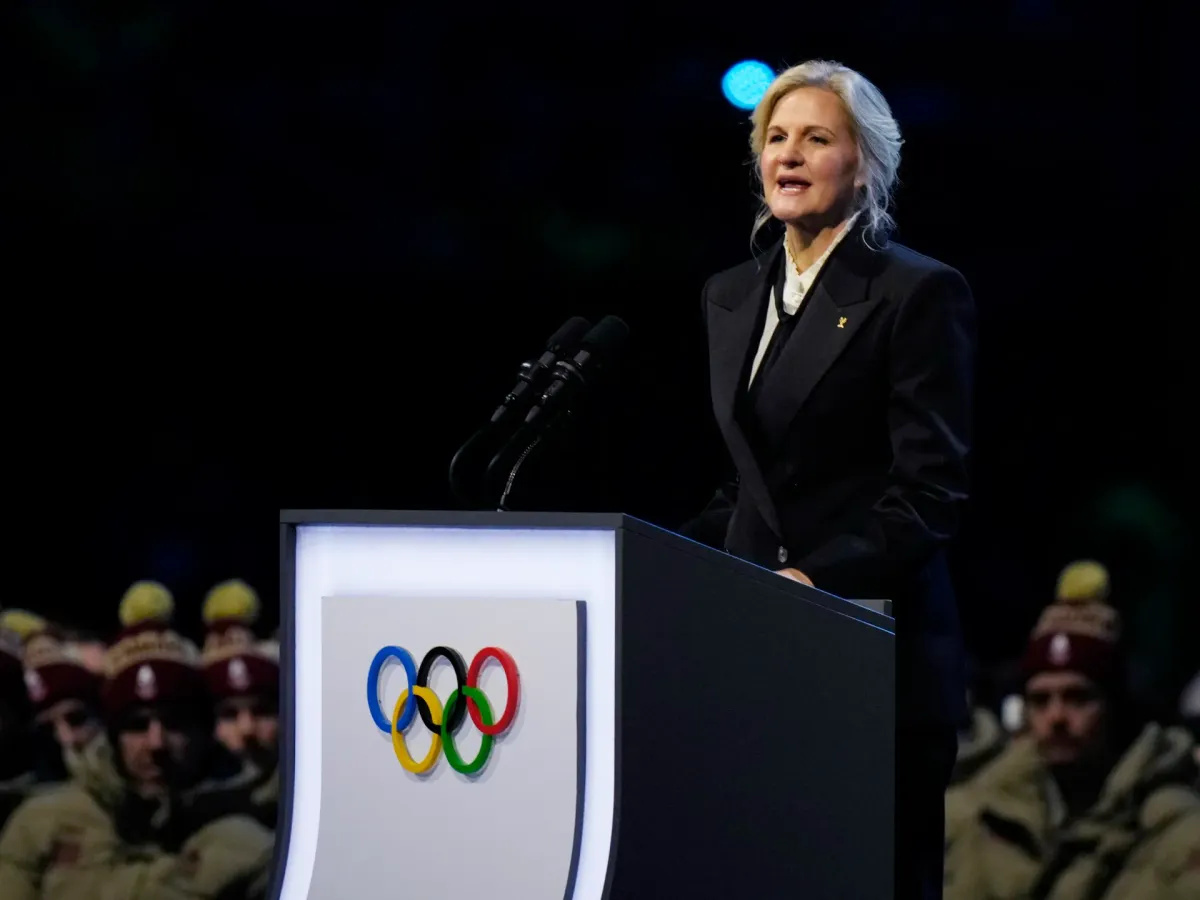
The specifics aren't public yet, but the IOC's working group — established last September and led by new IOC president Kirsty Coventry — has signaled the policy will "severely restrict" participation of transgender women in women's categories if they underwent full male puberty before medical transition. The working group includes sports federation representatives and medical experts tasked with balancing inclusion with competitive fairness.
We're a new kind of news feed.
Regular news is designed to drain you. We're a non-profit built to restore you. Every story we publish is scored for impact, progress, and hope.
Start Your News DetoxCoventry, the IOC's first female president, made this her flagship reform. "Protecting the female category is one of the key reforms she wants to bring in," IOC spokesman Mark Adams said at the Winter Games in Milan-Cortina. After months of consultation with federations, Adams noted: "Generally speaking, there is consensus within the sporting movement."
This represents a notable shift. For years, the IOC resisted universal rules, instead telling federations in 2021 to develop their own guidelines. The approach reflected genuine complexity — there's no scientific consensus on how to weigh hormone levels, athletic advantage, and inclusion. But it also meant athletes faced wildly different standards depending on their sport and country.
New Zealand weightlifter Laurel Hubbard made history in 2021 as the first openly transgender athlete to compete in the Olympics in a different gender category than assigned at birth. Since then, only a handful of openly transgender athletes have competed at the Games, partly because the varying eligibility rules created barriers.
The new unified approach could clarify the landscape for athletes planning their careers and for event organizers preparing for the 2028 Los Angeles Olympics. It also comes as political pressure around transgender participation intensifies — the US has recently restricted transgender athletes in school and college sports, and the incoming administration has signaled it won't allow transgender athletes to compete in the female category at LA 2028.
The IOC's move toward consensus suggests that global sports leaders believe a single, transparent standard — even if restrictive — serves everyone better than a patchwork of rules. The policy rolls out this year across dozens of sports and major competitions.