After a century in storage, 39 human remains from the colonial era are finally heading home. Oxford University's Pitt Rivers Museum has agreed to repatriate these ancestral remains to the Indigenous Naga people of India, following years of discussions that officially kicked off in 2020.
By the end of this year, a warrior's skull, a woman's skull, and a young person's jaw—among others—will journey back to Nagaland. One requested item, however, will remain at the museum, as its Naga origin couldn't be definitively confirmed. Because apparently, even centuries later, paperwork still matters.
Ellen Konyak of the Forum for Naga Reconciliation (FNR), a nonprofit instrumental in this effort, described the return as bringing back "the light of our ancestors." Which, if you think about it, is both a deeply spiritual sentiment and a rather poetic way of saying: finally.
We're a new kind of news feed.
Regular news is designed to drain you. We're a non-profit built to restore you. Every story we publish is scored for impact, progress, and hope.
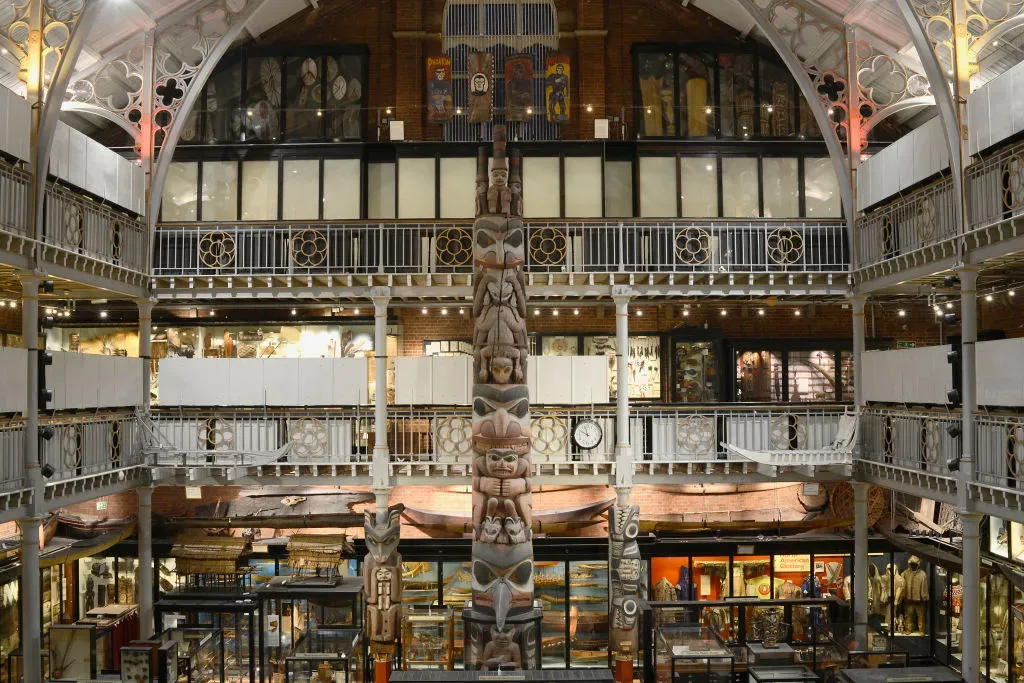
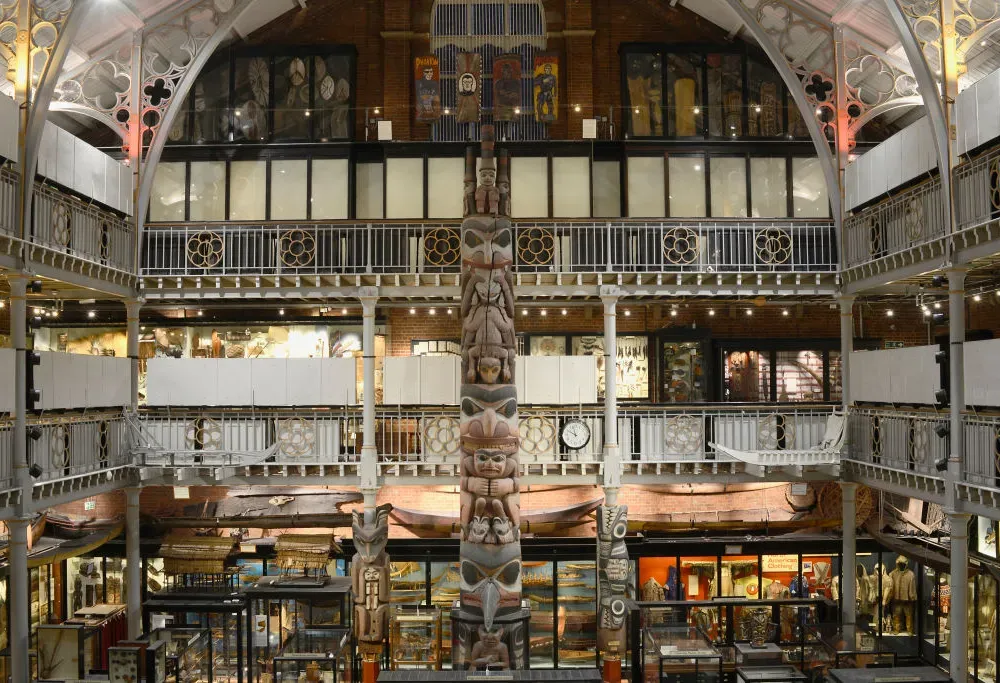
Start Your News DetoxLaura Van Broekhoven, the Pitt Rivers Museum director, acknowledged these remains have been "away from their homeland for far too long." The museum still houses over 6,000 Naga cultural items, making it the largest collection globally. So, plenty more conversations to be had.
More Than Just Bones Coming Home
Many of these ancestral remains were originally acquired by British officers J.P. Mills and J.H. Hutton in the early 1900s, during their service in British India's Naga regions. While some items were indeed gifts (because who doesn't love a good skull as a housewarming present?), most were, shall we say, acquired against the community's wishes.
For the Naga people, this repatriation isn't just about bones. It's about "memory returning to where it belongs," as the FNR puts it. These remains have become a potent symbol of the Naga struggle, a history that includes 19th-century American missionary efforts to dismantle traditional beliefs and decades of post-independence conflict with the Indian state.
Until 2020, these particular remains were part of a museum exhibit aptly titled "Treatment of Dead Enemies," labeled as "headhunting trophies." Since then, these 120 human remains have been in storage as the museum works through its rather extensive "decolonization" process. A process that probably involves a lot of awkward committee meetings and a surprising amount of archival research.
The handover, scheduled for November, marks the largest return of human remains from the museum to date. Van Broekhoven called it a "Naga-wide movement of healing and unification." It’s a significant step in a larger global effort to return artifacts and human remains taken by Western institutions during the colonial era. Because some things, it turns out, really do belong back where they started.