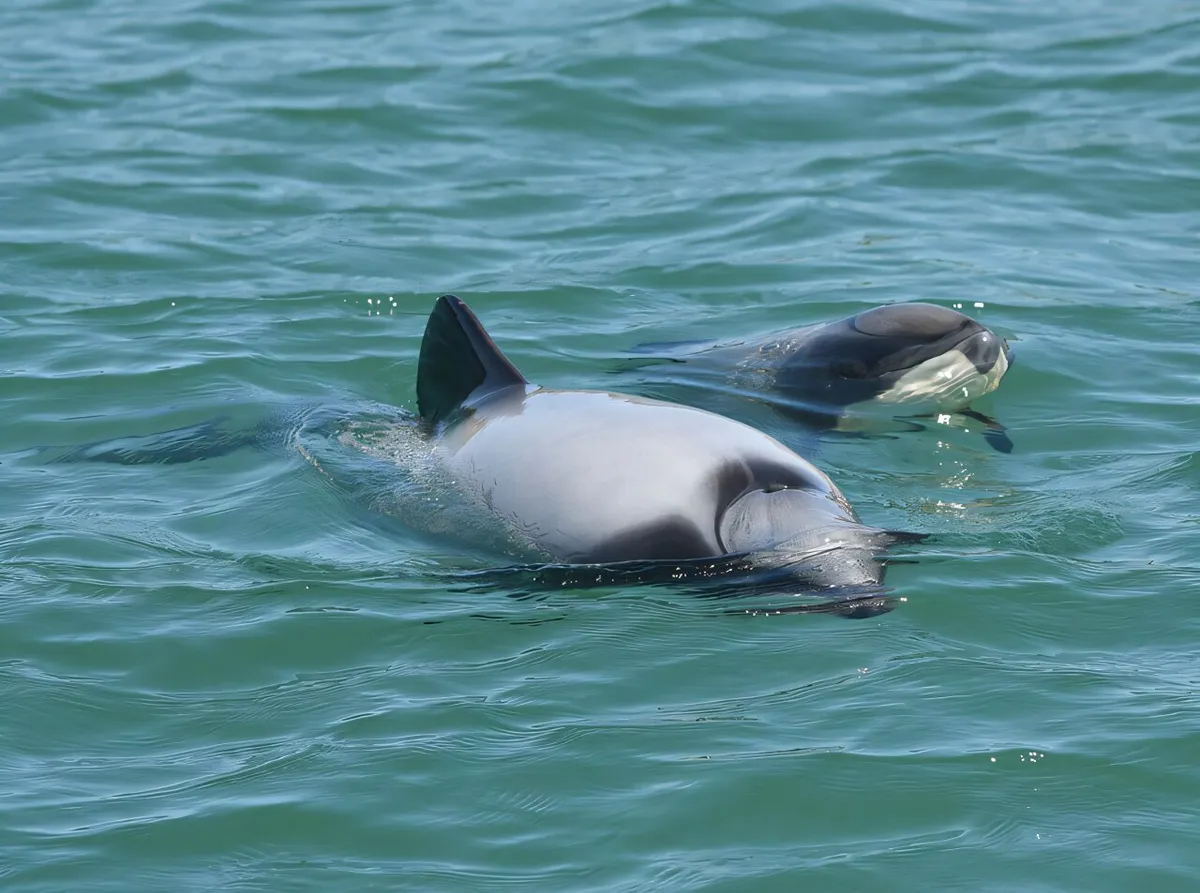
New Zealand's Hector's dolphins — all 63 of them that hang out in Porpoise Bay during summer — are a bit particular. And a new study just figured out exactly how particular they are, especially when it comes to munching on fish and not being bothered by enthusiastic swimmers.
Turns out, these critically endangered dolphins have very specific dining habits, and human interactions might be cramping their style. Which, when you're trying to keep a species from vanishing, is kind of a big deal.
The Dolphin Dinner Schedule
Researchers at the University of Otago, led by Max Harvey, decided to eavesdrop on these elusive marine mammals. They dropped two acoustic detectors into Porpoise Bay, Southland, from January to August 2020. These devices basically listened in on every little click and whistle the dolphins made, 24/7.
We're a new kind of news feed.
Regular news is designed to drain you. We're a non-profit built to restore you. Every story we publish is scored for impact, progress, and hope.
Start Your News DetoxWhat they found was a detailed schedule of dolphin life. During summer, the dolphins preferred the cozy, sheltered inner bay, ramping up their feeding frenzy throughout the day. Peak snack time? Afternoon, right before they'd drift towards the middle of the bay. More feeding during daylight and high tide likely means prime conditions for catching prey, which makes sense. No one wants to hunt on an empty stomach.
But here's a kicker: the dolphins weren't just summer residents. They were hanging out in the bay during winter too, suggesting it's a crucial year-round spot for some of the Catlins Coast population. Who knew they were such homebodies?
Don't Interrupt Dinner (or Nursing)
Now, for the slightly less adorable part. Hector's dolphins are tiny, about 45 kg, but they give birth to surprisingly large calves (8–10 kg) in cool waters. Nursing these chunky babies demands a lot of energy. And because these small marine mammals have a high metabolism, they basically need to be eating constantly.
The problem? Recreational swimmers. Specifically, the ones who actively seek out dolphin groups near the shore, which often include vulnerable mother-calf pairs. Imagine trying to feed your kids, and someone keeps swimming directly at you. It's disruptive, to say the least.
If these human interactions mess with their feeding or nursing, those mothers and calves might not get the energy they desperately need. Which, for a population of only 63, is a problem that compounds quickly.
The experts' recommendation? Give them space. Specifically, enter the water at least 50 meters away from any dolphin group and, for the love of all that's marine, avoid swimming with groups that have calves. Let them eat in peace. The future of Hector's dolphins might just depend on it.