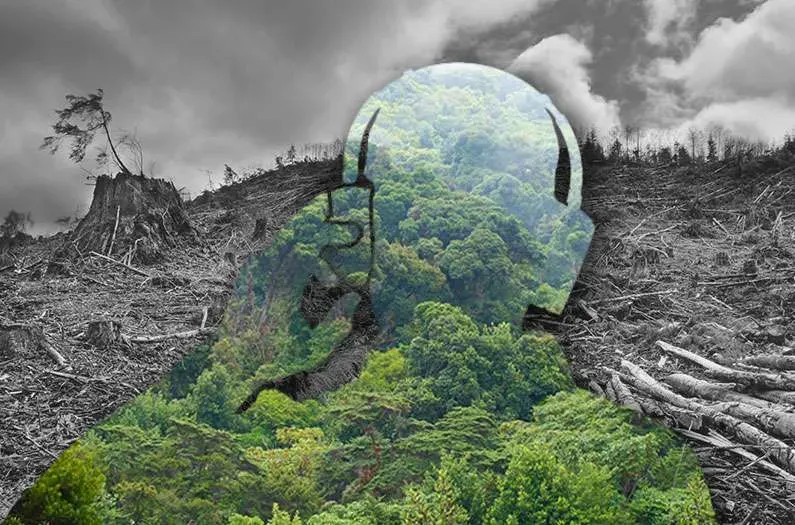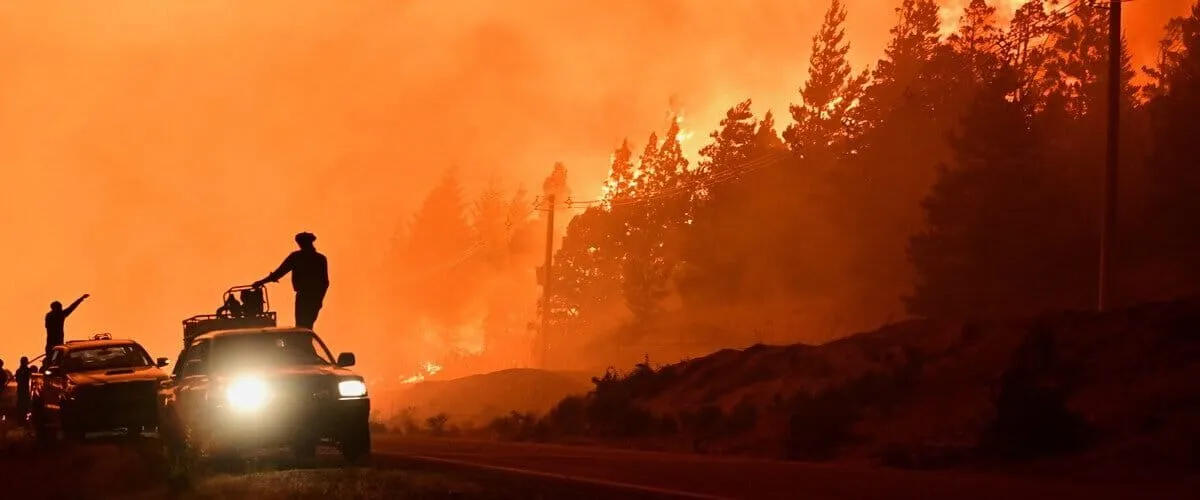
Fires swept through Argentina's Patagonia region in January, threatening Los Alerces National Park—a UNESCO World Heritage Site where alerce trees have stood for over 3,600 years. Two major blazes broke out in the southern province of Chubut, one deliberately set according to prosecutors, destroying around 12,000 hectares of forest and grassland.
The fires have reignited a familiar argument in Argentina: the country's environmental agencies are chronically underfunded and understaffed. "We demand that the national government and the provinces provide more prevention, firefighters and infrastructure to respond quickly to fires, and penalize the destruction of forests," Greenpeace Argentina said in a statement after the blazes.
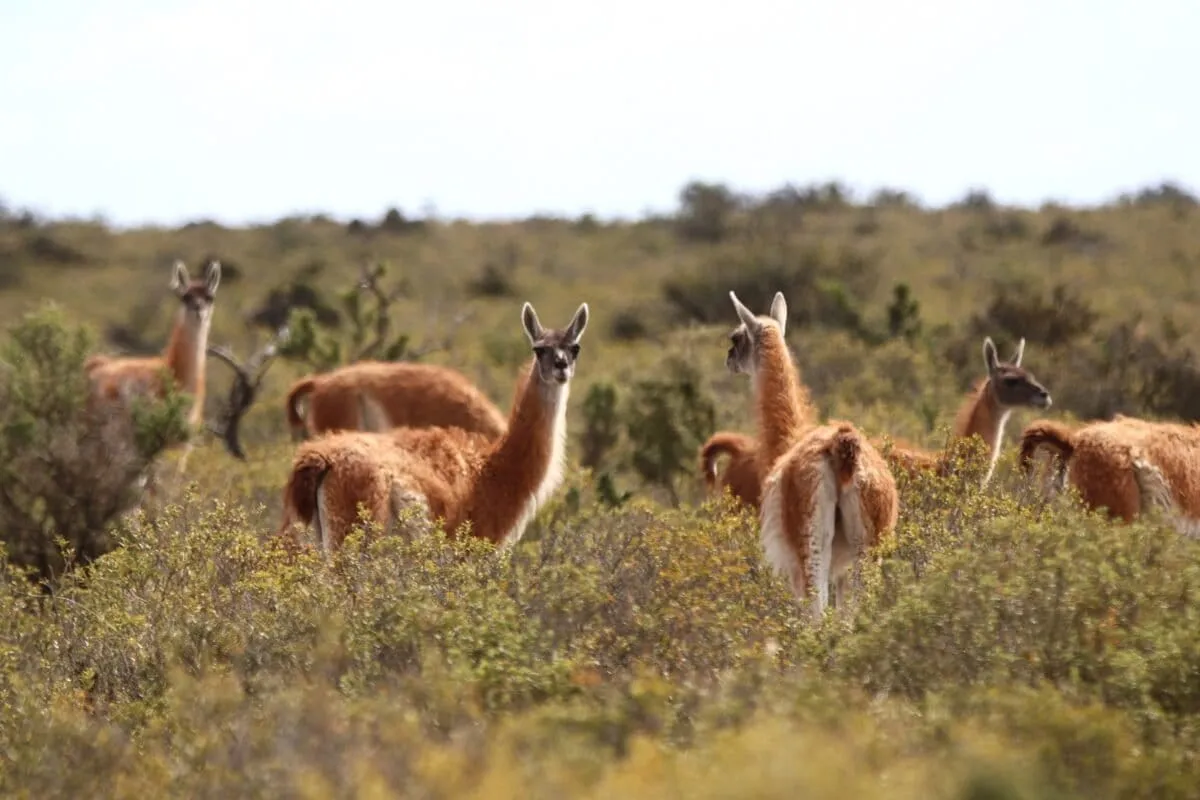
Los Alerces spans more than 259,000 hectares and harbors species found nowhere else on Earth—the monito del monte, a thumb-sized marsupial, and the Magellanic woodpecker. But it's the alerce tree itself that makes the park irreplaceable. These ancient cypress trees grow so slowly that a 3,600-year-old specimen might be only a few meters tall. Lose them to fire, and you lose a living record of millennia.
We're a new kind of news feed.
Regular news is designed to drain you. We're a non-profit built to restore you. Every story we publish is scored for impact, progress, and hope.
Start Your News DetoxThe January fires began in different parts of the park—one near the Rivadavia, Futalaufquen and Menéndez lakes in the south, another on northern hillsides, according to NASA satellite data. While the exact cause of the first fire remains unclear, the prosecutor's office confirmed the second was intentionally ignited. Both took time to contain in a region where fire response capacity has been squeezed by budget constraints.
This pattern repeats across Argentina's southern regions. Environmental agencies operate with skeleton crews and aging equipment while fire seasons grow more intense. The gap between what's needed—year-round prevention, trained personnel, modern infrastructure—and what's funded has become impossible to ignore. Each fire season reopens the debate; each debate produces promises; and each year the cycle continues.
The immediate damage is quantified in hectares. The longer-term cost is measured in centuries of lost forest that no funding decision can restore.