After 29 years of depression and 13 failed treatments, most people would have stopped hoping. But a new study shows that an implanted device stimulating the vagus nerve is offering something rare for the most treatment-resistant cases: sustained recovery that lasts.
About one in three people with depression don't respond to standard antidepressants or therapy. They've tried everything — multiple medications, psychotherapy, even electroconvulsive therapy. For them, the condition becomes less a treatable illness and more a permanent feature of life. The RECOVER trial, led by Washington University School of Medicine in St. Louis, tested whether vagus nerve stimulation (VNS) could change that.
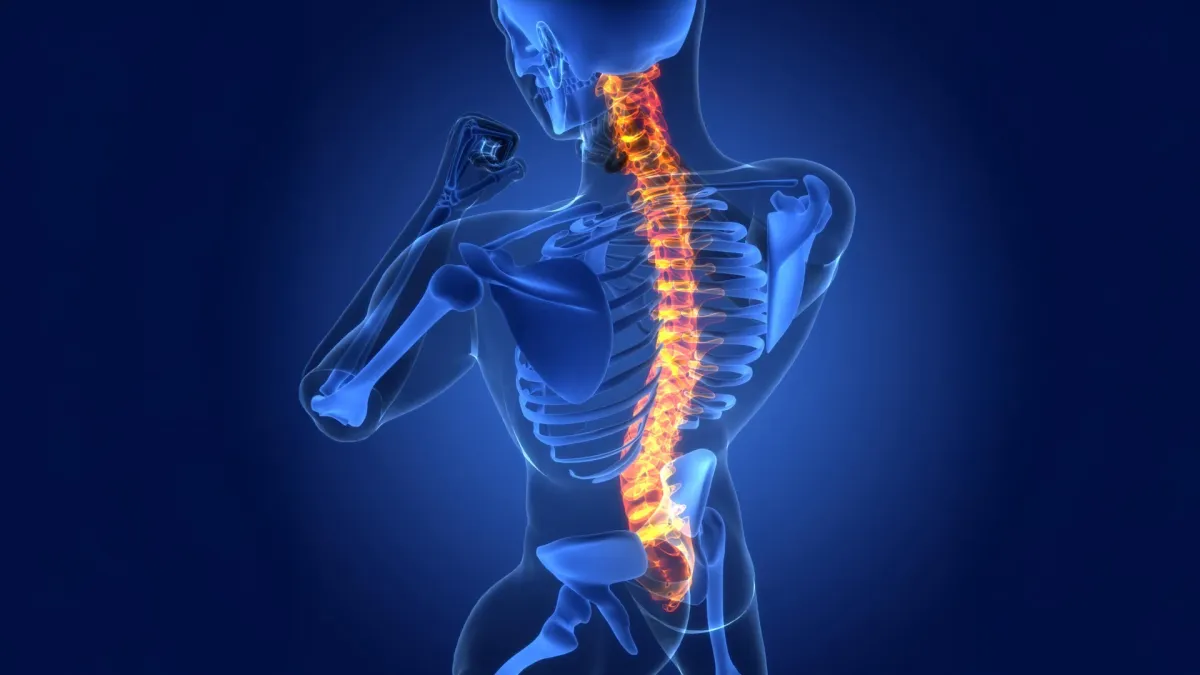
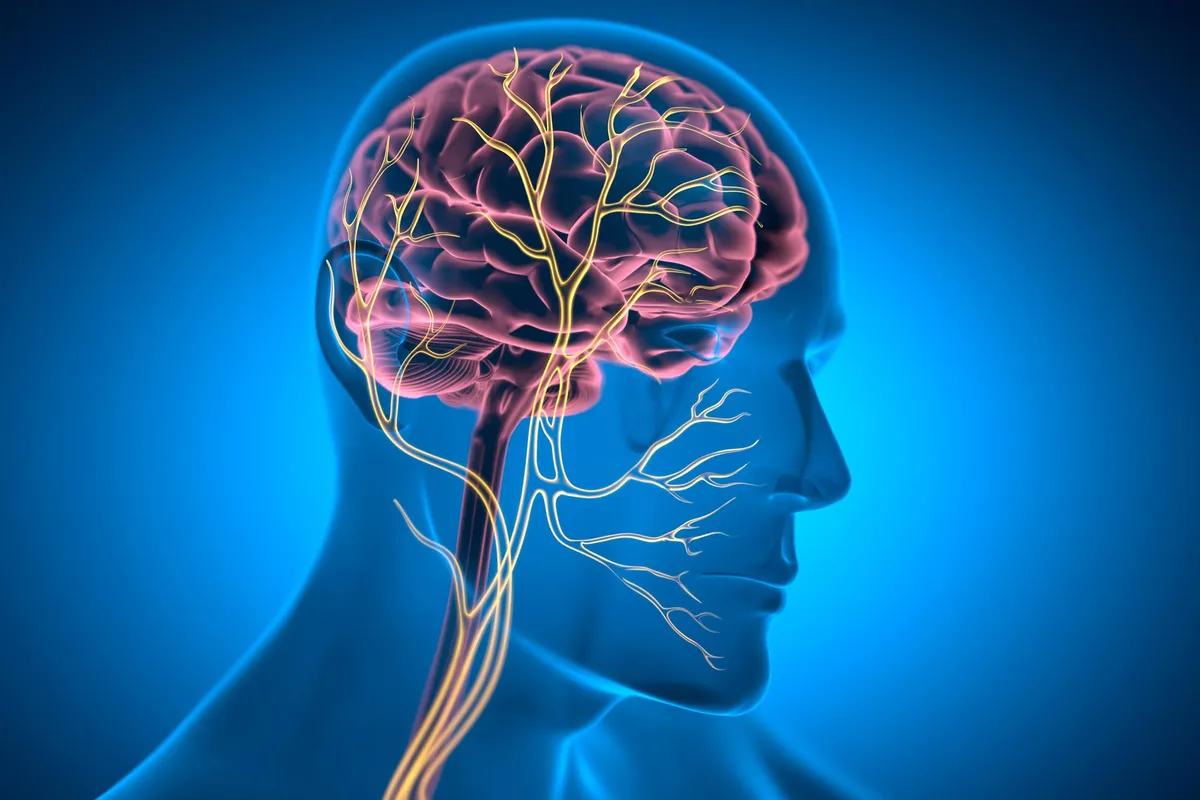
The device works simply: surgeons implant it under the skin of the chest, where it sends precisely timed electrical pulses to the vagus nerve — the main communication line between brain and body. The researchers tracked 214 patients who received active treatment from the start. At 12 months, about 69% showed meaningful improvement in depression symptoms, quality of life, or how well they functioned day-to-day. That alone would be notable. What happened next was striking.
We're a new kind of news feed.
Regular news is designed to drain you. We're a non-profit built to restore you. Every story we publish is scored for impact, progress, and hope.
Start Your News DetoxAmong those who improved at one year, more than 80% maintained or increased their gains at two years. Among the 39 people who went into full remission — essentially living without depressive symptoms — 92% stayed there. Even patients who hadn't responded after year one sometimes improved by year two, suggesting the treatment needs time to work in some people.
"We were shocked that one in five patients was effectively without depressive symptoms at the end of two years," said lead researcher Charles Conway, MD. Most studies of severe, treatment-resistant depression show benefits fading quickly. This didn't. People got better and stayed better.
The patients in this trial weren't mild cases. They'd averaged 29 years living with depression. They'd tried 13 different treatments before enrolling. They'd been to the edge of what medicine could offer and found nothing. For them, this device represented a different kind of option — not another medication to swallow, but a small piece of technology working quietly beneath the skin, keeping the conversation between brain and body flowing.
The U.S. Centers for Medicare and Medicaid Services is now reviewing the data to decide whether to cover the therapy. That decision could determine whether thousands of people in similar situations get access to it.