A third of women invited for cervical screening don't show up. The reasons are real: past trauma, disability, cultural barriers, menopause, or simply the discomfort of the current clinical test. Researchers now have evidence that an alternative exists — and it's as close as a sanitary pad.
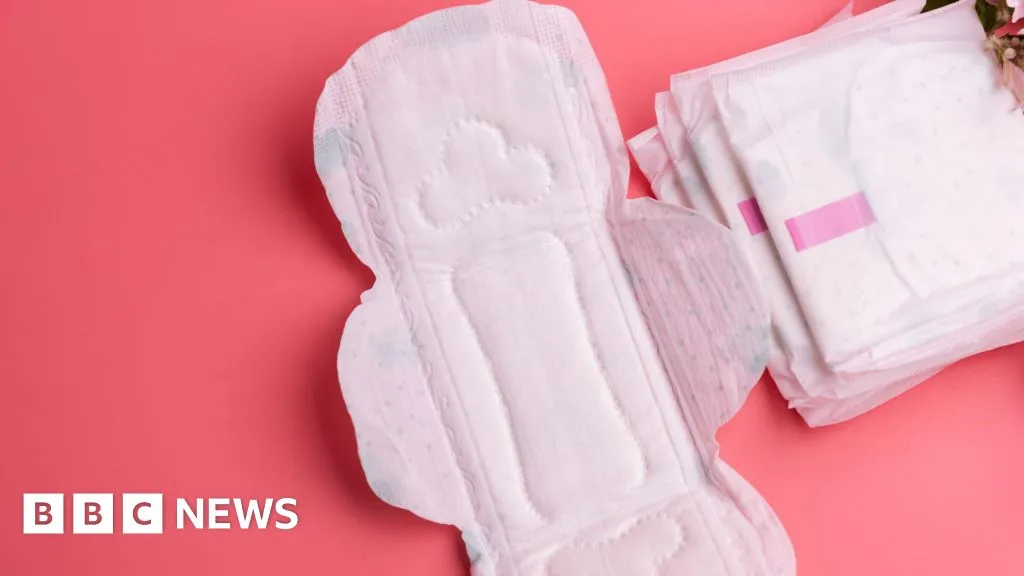
Scientists tested a method that collects blood on a cotton strip attached to a standard pad, then analyzes it for HPV, the virus that causes most cervical cancers. The results were nearly as accurate as the traditional cervical swab taken by a nurse or doctor in a clinical setting.
"Cervical screening can be difficult for some women for many reasons," says Athena Lamnisos from The Eve Appeal charity. The barriers are well documented. Younger women, those with disabilities, ethnic minority communities, and LGBTQ+ groups are significantly less likely to attend appointments. For survivors of sexual violence, a clinical exam can be retraumatizing. For others, it's simply inconvenient.
We're a new kind of news feed.
Regular news is designed to drain you. We're a non-profit built to restore you. Every story we publish is scored for impact, progress, and hope.
Start Your News DetoxThe period blood test addresses this directly. It's collected privately, at home, on something women are already using. There's no appointment to schedule, no clinical setting to enter, no stranger involved. The privacy alone changes the calculus for many people.
"It's encouraging to see research exploring new ways of making cervical screening more accessible," says Sophie Brooks, health information manager at Cancer Research UK. She notes, though, that more work is needed to understand how this fits into existing NHS programs.
The logistics matter. Anyone who tests positive would still need a colposcopy — a more detailed examination — to confirm findings. That's not avoidable. But offering a choice of entry points could shift participation rates significantly. The NHS is already piloting at-home vaginal swab kits in some areas for women who've missed appointments. A period blood test could go even further, removing another layer of friction.
What makes this genuinely promising isn't that it's revolutionary. It's that it's practical. It meets women where they are, literally and figuratively. For the third of eligible women currently opting out, that difference could be enough to say yes.