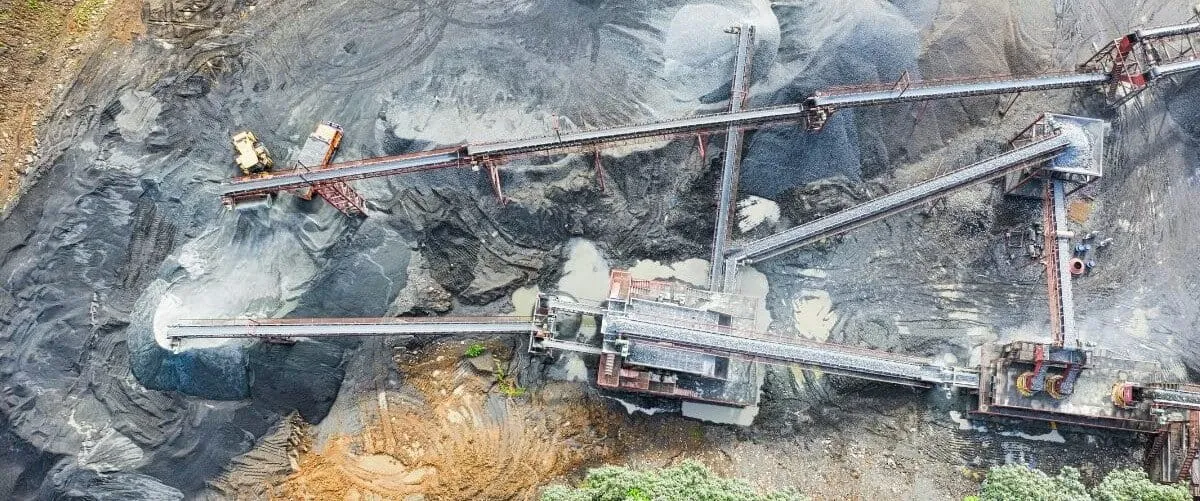
Peru's government is betting big on its mineral wealth. The Ministry of Energy and Mines announced a $7.6 billion investment to expand and upgrade mining operations across the country, targeting zinc, lead, tin, silver, copper, and gold — minerals that are becoming essential as the world shifts to clean energy.
The logic is straightforward: solar panels need silver. EV batteries need cobalt and lithium. Wind turbines need rare earths. Peru sits on significant reserves of these materials, and the government sees an opportunity to position itself as a critical supplier during the energy transition. The investment will fund infrastructure upgrades, improve safety standards, and extend the operational life of major mines in the Arequipa, Puno, and Pasco regions.
The Transition Paradox
Here's where it gets complicated. The minerals Peru is mining are genuinely necessary for decarbonization. Without them, we don't get the batteries, solar cells, and grid infrastructure that make renewable energy possible. Peru's mineral production has already contributed to global clean energy development, and scaling up could accelerate that further.
We're a new kind of news feed.
Regular news is designed to drain you. We're a non-profit built to restore you. Every story we publish is scored for impact, progress, and hope.
Start Your News DetoxBut mining — even for minerals with a clean energy purpose — comes with real environmental costs. Water contamination, habitat disruption, and air quality issues have marked Peru's mining history. The Huancapetí mine, for instance, has a documented record of environmental damage. Expanding operations without parallel investment in environmental safeguards risks repeating those patterns.
The government's framing acknowledges this tension without fully resolving it. Officials say Peru has "exceptional conditions" to lead in strategic minerals while positioning itself as "indispensable" to the global energy transition. But that language doesn't address how the country will prevent the environmental damage that has historically accompanied mining expansion.
What Happens Next
The real question isn't whether Peru should mine these minerals — the world needs them. It's whether the investment includes genuine environmental oversight, community consultation, and restoration commitments. Some mining operations have improved their practices significantly over the past decade, adopting water recycling and pollution controls that reduce impact. Others haven't.
Peru's government will need to prove it can balance economic opportunity with environmental protection. The minerals themselves are part of the climate solution, but only if their extraction doesn't create new environmental crises that undermine that benefit.