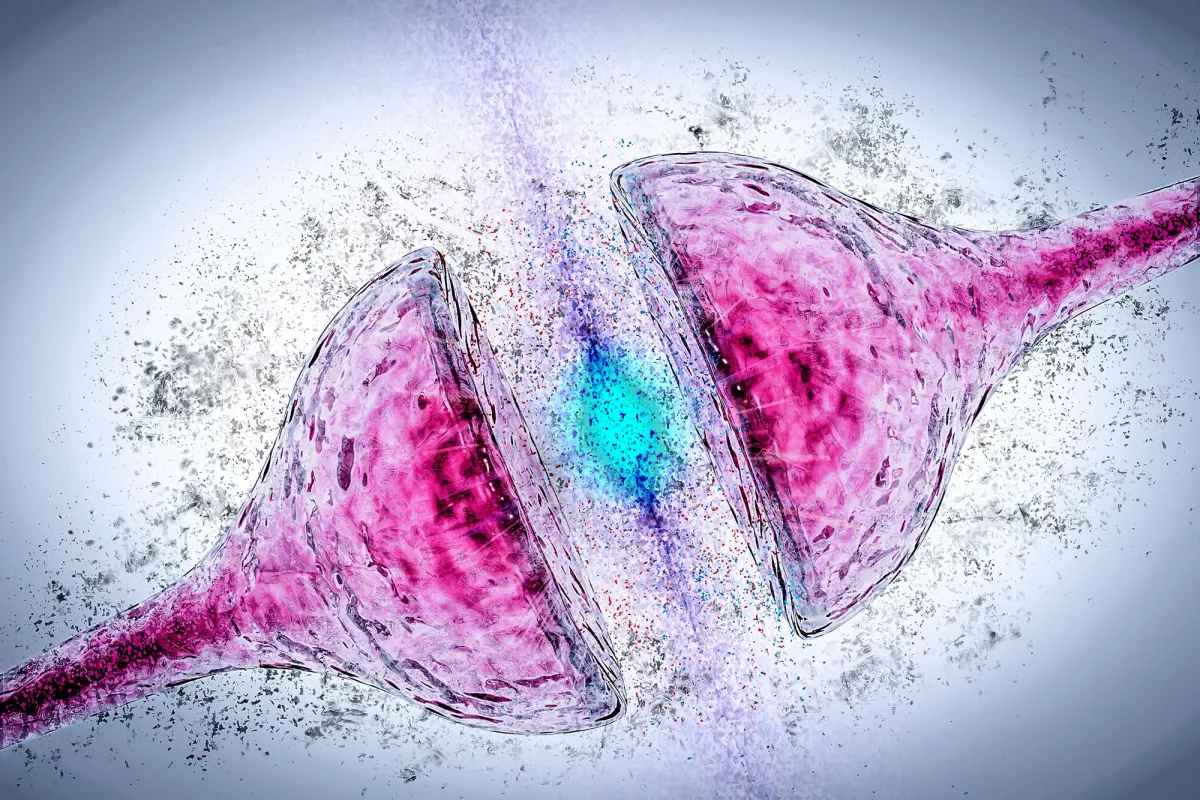
Scientists at Tel Aviv University have found something counterintuitive: people who deliberately activate their brain's reward system—through positive thinking and mental imagery—produce more antibodies after vaccination. It's not magic. It's neuroscience.
The study involved healthy volunteers who underwent brain training to boost activity in the ventral tegmental area, a region tied to reward and motivation. Those who successfully ramped up activity in this zone showed the strongest immune response after receiving a hepatitis B vaccine. The participants who saw the best results used specific mental strategies: positive expectations and vivid mental imagery of good outcomes.
"It's the first demonstration in humans, in what seems to be a causal manner, that if you learn how to recruit your reward system in the brain, the effectiveness of immunisation increases," said Talma Hendler, a professor of psychiatry and neuroscience at the university.
We're a new kind of news feed.
Regular news is designed to drain you. We're a non-profit built to restore you. Every story we publish is scored for impact, progress, and hope.
Start Your News DetoxThis doesn't mean positive thinking replaces vaccines or medicine. That's crucial. But it does suggest the mind-body connection runs deeper than we typically account for in healthcare. The researchers frame this as a complementary tool—something that might nudge your immune response upward, not replace the foundations of medical care.
What's particularly interesting is how simple this could become. Healthcare providers already shape patient expectations through empathetic communication, genuine explanation, and presence. If that emotional scaffolding actually enhances how your body responds to vaccination, then the conversation you have with your doctor in the minutes before a shot might matter more than we thought.
The findings are preliminary. Larger trials are needed to understand how much of a real-world difference this makes, and whether the effect holds across different vaccines and populations. But the direction is clear: the brain's reward system influences immune function in measurable ways. That opens a door to low-cost, accessible strategies that could complement—never replace—the medical interventions we already rely on.