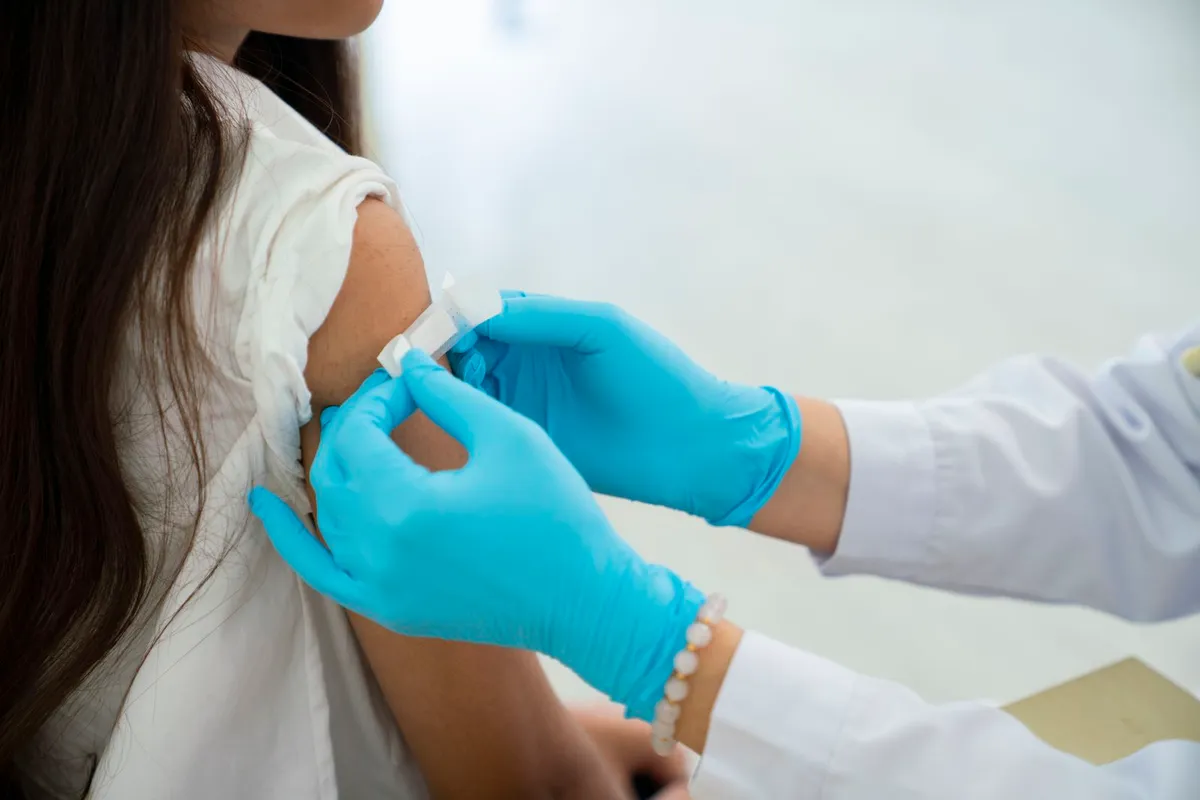
Your brain's reward system might be doing more than making you feel good. When it lights up with hopeful anticipation, it could actually amplify your immune response to vaccines.
Researchers at Tel Aviv University found that people who trained themselves to activate their brain's reward circuitry—specifically a region called the ventral tegmental area—developed higher levels of protective antibodies after receiving a hepatitis B vaccine. The effect held steady three months later. The study, published in Nature Medicine in January, is the first to show this kind of causal link in humans.
How the training worked
From 2020 to 2022, neuroscientist Talma Hendler and her team worked with 85 participants. Thirty-four of them spent four sessions in a brain scanner learning to boost activity in their reward system through mental exercises: recalling meaningful memories, imagining future success, thinking through everyday routines. The scanner gave them real-time feedback—a technique called neurofeedback—so they could adjust their thinking and watch their brain respond.
We're a new kind of news feed.
Regular news is designed to drain you. We're a non-profit built to restore you. Every story we publish is scored for impact, progress, and hope.
Start Your News DetoxThe other participants either trained on different brain networks or simply spent time in the scanner as a control. Everyone then received the hepatitis B vaccine. Blood tests taken two and four weeks later measured antibody production, the immune system's way of preparing for infection.
The connection was clear: as reward-region activity climbed, so did antibody levels. The researchers noticed something more specific too—participants who reported positive expectations about the future showed the strongest link to increased brain activity and immune response.
Why this matters beyond the vaccine
This touches on something neuroscientists have long suspected: that hope and expectation can reshape how our bodies respond to treatment. The placebo effect, where belief in a fake treatment produces real healing, likely works through similar brain pathways. These findings suggest that "hope circuits" might directly support immune function—not through wishful thinking alone, but through measurable changes in how your nervous system communicates with your immune system.
The researchers are careful to emphasize what this isn't: a replacement for vaccines or medical care. "The approach we tested is intended solely as a complementary tool that may enhance immune responsiveness," says co-author Nitzan Lubianiker. Positive thinking won't protect you if you skip vaccination. But if you're already getting vaccinated, training your brain to expect good outcomes might help your body mount a stronger defense.
This opens a practical question for clinics: what if the way you approach a vaccine—your mindset walking in—could measurably affect how well it works. The research suggests that hospitals and vaccination centers might eventually incorporate simple mental techniques into their protocols, turning a psychological state into a public health advantage.