For years, psychiatrists noticed the pattern: someone diagnosed with depression often develops anxiety. A person with ADHD might later struggle with substance use. The overlap felt real but remained scientifically fuzzy. Now, researchers have found the reason — and it's written in our genes.
An international team analyzing genetic data from over 6 million people has discovered that 14 major psychiatric disorders don't exist in isolation. They cluster into five genetic families, with some conditions sharing as much as 90% of their underlying genetic risk. The study, published in Nature in December 2024, represents the most comprehensive genetic map of mental illness ever created.
The genetic architecture of mental illness
The researchers examined DNA from 1 million people diagnosed with psychiatric conditions during childhood or adulthood, plus 5 million without such diagnoses. They identified 428 genetic variants linked to multiple disorders and found 101 chromosomal "hot spots" where shared risk factors cluster.
We're a new kind of news feed.
Regular news is designed to drain you. We're a non-profit built to restore you. Every story we publish is scored for impact, progress, and hope.
Start Your News DetoxThe patterns that emerged were striking. Depression, anxiety, and PTSD form an especially tight genetic knot — they share roughly 90% of their genetic risk factors. Schizophrenia and bipolar disorder are similarly intertwined, sharing about 66% of genetic markers. Obsessive compulsive disorder, anorexia, and anxiety disorders cluster together. ADHD and autism spectrum disorder show genetic overlap. And substance use disorders (opioid, cannabis, alcohol, nicotine) form their own group.
This isn't just an academic reorganization. Kenneth Kendler, a psychiatry professor at Virginia Commonwealth University and co-chair of the study, notes that these findings "provide a solid scientific basis for how the psychiatric field defines disorders." For decades, psychiatry has categorized conditions largely by symptoms. This research suggests the underlying biology tells a different story — one organized by shared genetic mechanisms rather than surface-level presentation.
Why does this matter? Because it changes how we think about treatment. If depression and anxiety share 90% of their genetic foundations, a medication or therapy targeting that shared genetic pathway might help both conditions. Similarly, understanding that schizophrenia and bipolar disorder are genetically related could lead to treatments that work across both diagnoses, rather than developing separate approaches.
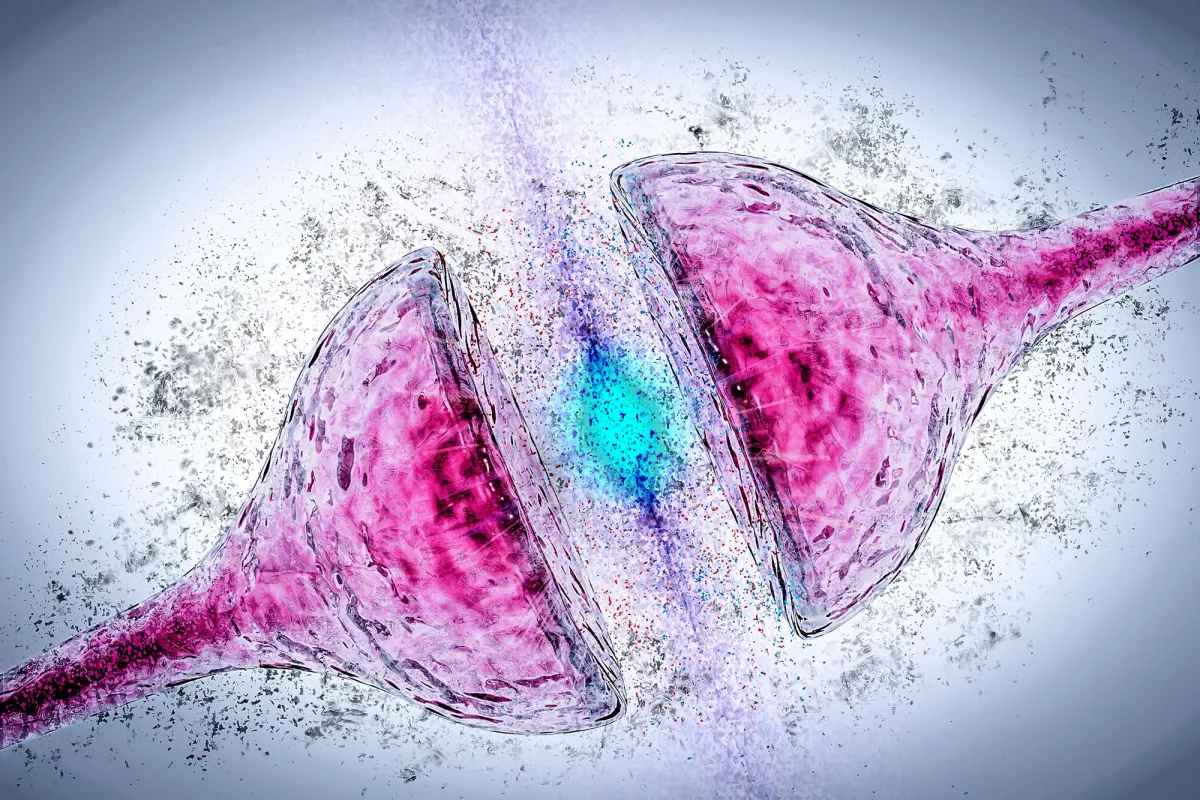
The researchers also discovered that these genetic families correspond to different patterns of brain development. Genes expressed in oligodendrocytes — cells that insulate neural connections — are prominent in internalizing disorders like depression and anxiety. Genes active in excitatory neurons, which fire other neurons into action, dominate in schizophrenia and bipolar disorder. The genetic overlap isn't random; it reflects shared vulnerabilities in how our brains are built.
This work opens a path forward for psychiatric medicine. Rather than treating each diagnosed condition as an isolated problem, clinicians and researchers can now see them as variations on deeper genetic themes. The next challenge is turning that insight into better treatments — ones designed not for a single disorder, but for the biological family it belongs to.