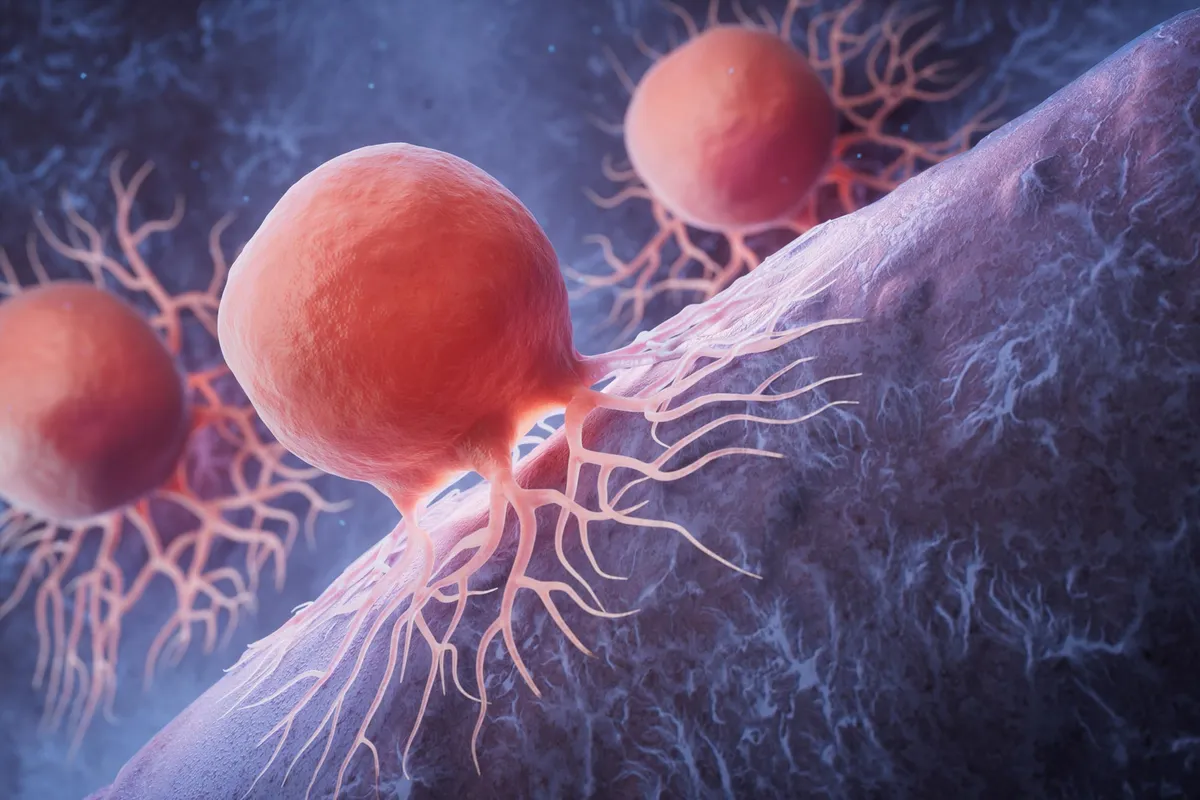
Turns out, ovarian cancer cells are pretty sneaky. They can learn to shrug off common treatments almost immediately. But new research just found a way to stop them in their tracks using a drug that's already out there for lung cancer.
Imagine you're trying to clear out weeds, but they just get tougher the moment you spray them. That's what ovarian cancer cells do. When treated with drugs called PARP inhibitors, they instantly activate a "survival program." This is why treatments often work great at first, then suddenly stop.
Mayo Clinic scientists figured out this survival trick happens way faster than anyone thought. And they found a key player: a molecule called FRA1. It's like the master switch for cancer cells to adapt and keep living.
We're a new kind of news feed.
Regular news is designed to drain you. We're a non-profit built to restore you. Every story we publish is scored for impact, progress, and hope.
Start Your News DetoxA Clever Two-Punch Combo
So, what's the secret weapon? It's a drug called brigatinib. This drug is already approved for certain lung cancers. Researchers wondered if it could block the cancer cells' quick escape route.
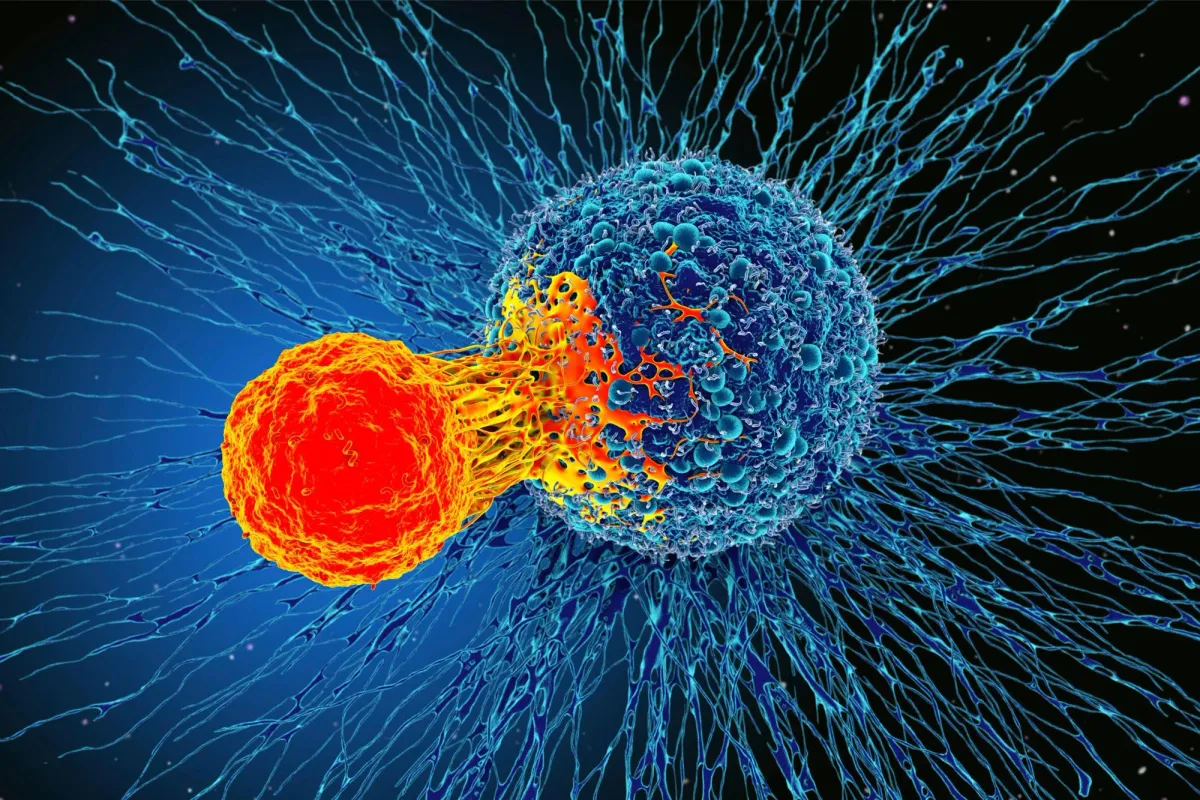
They found that using brigatinib with a PARP inhibitor worked much better than either drug alone. And here's the cool part: it only affected the cancer cells, not the healthy ones. That means fewer side effects and a smarter attack.
Brigatinib doesn't mess with the usual DNA repair pathways. Instead, it targets two specific signals, FAK and EPHA2, that aggressive ovarian cancer cells rely on to survive. Shutting down both of these signals at once made the cancer cells much weaker and more vulnerable to the original PARP inhibitor.
This could be huge because it offers a new strategy: hit the cancer cells before they even have a chance to get resistant. Dr. John Weroha from Mayo Clinic pointed out that resistance is a major hurdle in treating ovarian cancer, and this approach tackles it head-on.
Even better, the study found a way to tell which patients might benefit most. Tumors with high levels of FAK and EPHA2 responded best to this drug combo. These are often the more aggressive cancers, so this could really help those tough cases. It’s like getting an early warning system for a smarter treatment plan.