Scientists have discovered that immune cells shed a protective sugar layer to slip out of the bloodstream and into skin tissue — a mechanism that could reshape how doctors treat psoriasis and other inflammatory diseases.
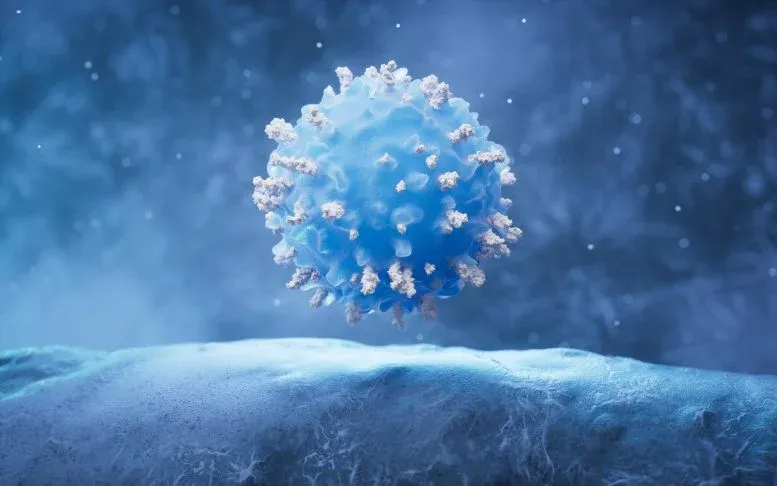
For years, researchers assumed only blood vessel cells controlled whether immune cells could pass through. But a team from Lancaster University, the University of Manchester, and MIT found something unexpected: the immune cells themselves carry this sugar coating, called a glycocalyx, and actively remove it to cross into surrounding tissue.
How the barrier works
Think of the glycocalyx like a gel-like security pass that cells wear. It's made of complex sugar molecules sitting on the cell surface, protecting blood vessels from stress and normally preventing immune cells from slipping out into tissue. In a healthy immune response, shedding this coating is necessary — it lets immune cells reach infected areas where they're needed.
We're a new kind of news feed.
Regular news is designed to drain you. We're a non-profit built to restore you. Every story we publish is scored for impact, progress, and hope.
Start Your News DetoxBut in psoriasis, something goes wrong with the timing or intensity. Immune cells flood into the skin and accumulate there, triggering the inflammation, redness, and scaling that define the condition. The same mechanism that protects us from infection becomes the problem.
"It is really exciting to discover how important the glycocalyx layer is on immune cells," said Dr. Amy Saunders, who led the research at Lancaster University. "I hope that this research will help to lay the foundations for future advances in inflammatory disease treatment."
The discovery opens a new target for drug development. Instead of trying to suppress the immune system broadly — which can leave people vulnerable to infection — researchers could design medications that fine-tune how immune cells move between blood and tissue. Block the shedding process too much, and you prevent immune cells from reaching genuine infections. Get it right, and you stop the excessive accumulation that drives psoriasis.
This approach could work for other inflammatory conditions too: rheumatoid arthritis, inflammatory bowel disease, and eczema all involve similar immune cell recruitment problems. The research, published in Science Signaling in 2025 and funded by the Wellcome Trust and Royal Society, suggests that understanding the sugar chemistry of inflammation might be more precise than the blunt-force immunosuppression currently available.
The next phase will be translating this mechanism into actual treatments — a process that typically takes years. But for the roughly 125 million people worldwide living with psoriasis, this shift in understanding where to intervene could eventually mean better control with fewer side effects.