Sayre Gomez makes paintings of Los Angeles that feel like they're holding their breath—gritty, layered, alive with tension. For his new show at David Kordansky gallery, he's done something different: he's let his kids into the frame.
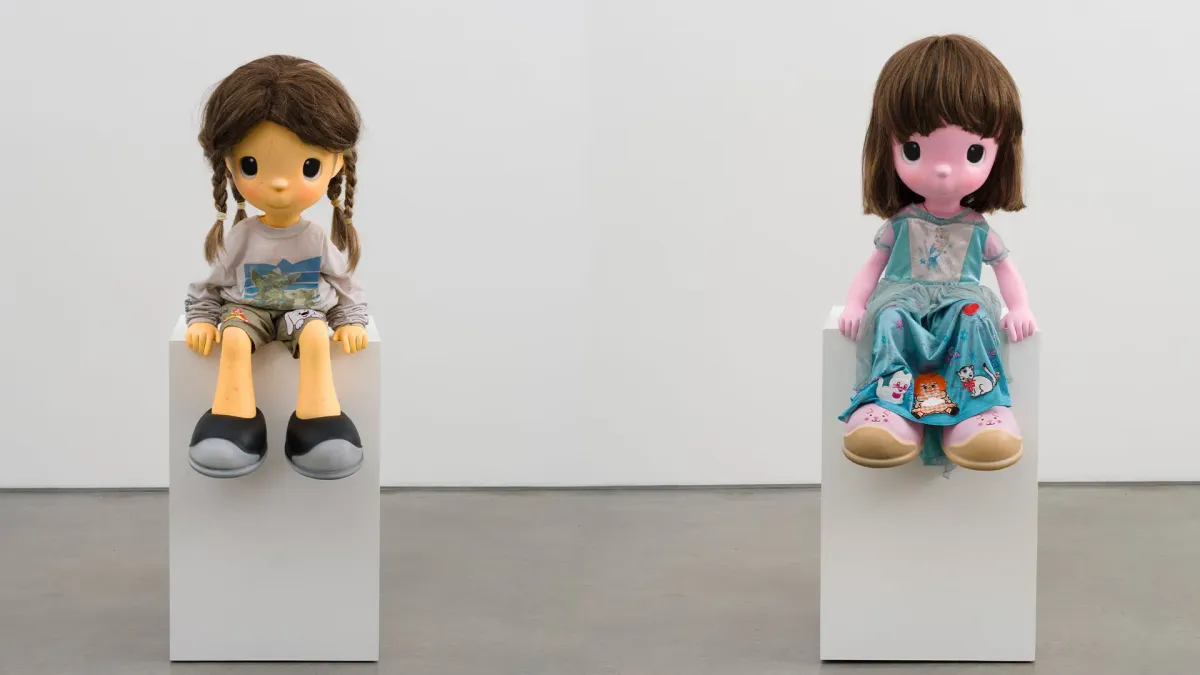
"Precious Moments" centers on two oversized sculptures modeled after Gomez's young son and daughter. They're cartoonish, exaggerated, dressed in the children's own clothes with custom wigs crowning their giant heads. Gomez calls the show a "love letter" to his family, but it's a love letter written in his actual language—which means it's strange, a little unsettling, and deeply honest.
"For me, the title 'Precious Moments' evokes how you just don't get enough time with your family or your kids; they grow so fast, and everything is fleeting," Gomez explains. "I'm just trying to savor it all."
We're a new kind of news feed.
Regular news is designed to drain you. We're a non-profit built to restore you. Every story we publish is scored for impact, progress, and hope.
Start Your News DetoxBut savoring, in Gomez's world, doesn't mean softening. The sculptures he calls "Soldier 1" and "Soldier 2" sit suspended between innocence and awareness—figures who are "just starting to get their consciousness and become outfitted for the world," as he describes them, yet still floating detached from the harsh realities below. Bright sunsets look ominous. A playground sits paired with a painting of a strip club. The contrast isn't accidental. It's the texture of actual parenting in 2024.
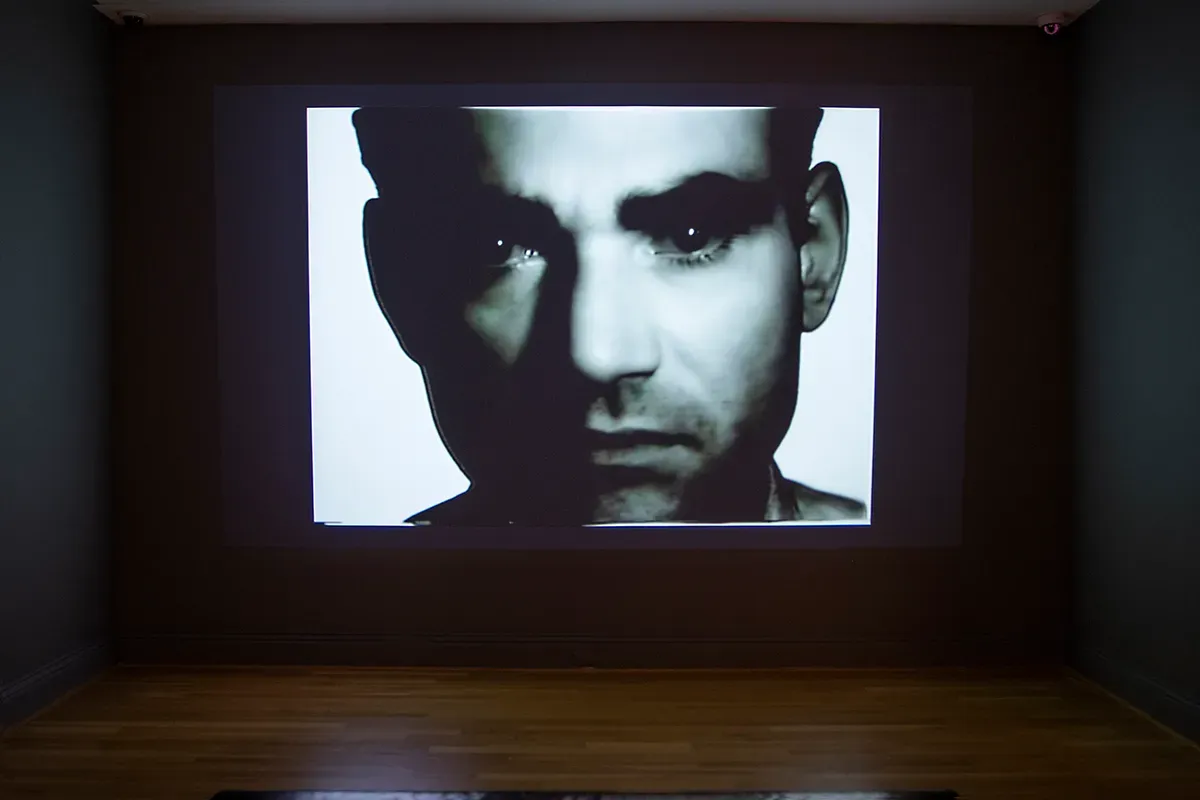
The exhibition includes a 21-minute video shot through a car window: Gomez filming while his kids listen to their favorite songs. It's a small gesture that contains everything. "When we're driving around, they're really into listening to certain music," Gomez says. "There are songs that they'll request over and over again. It means maybe we're listening to Gummibär while driving by this giant homeless encampment. It's just such a hardcore experience."
That juxtaposition—children's carefree joy colliding with urban struggle—is the show's actual subject. Not childhood versus adulthood. Not innocence versus corruption. But the simultaneous existence of both, the way a parent holds both realities at once.
Gomez also shrunk everyday objects—telephone poles, a model of the failed Oceanwide Plaza development—to uncanny scales. By changing what we're used to seeing, he makes the familiar strange enough to actually see it again.
The work asks something quietly radical: What does it mean to love your children while living in a world that doesn't feel safe? Not to answer that question, but to sit with it, to document it, to make art from the texture of that contradiction.