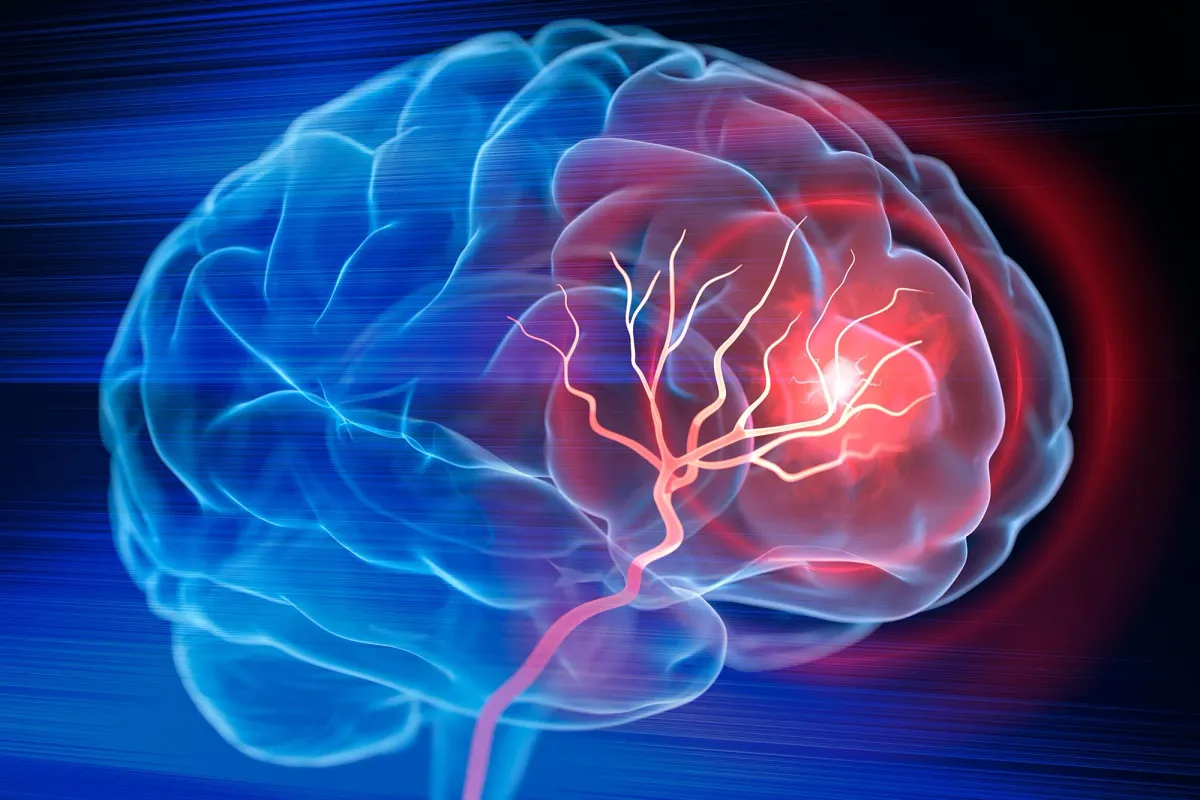
A stroke cuts off blood to the brain. Doctors rush to restore circulation. But that sudden rush of blood back can trigger a cascade of damage—inflammation, cell death, lasting disability. It's a cruel paradox: the treatment that saves your life can also harm you.
Now researchers at Northwestern University have developed an injectable therapy that interrupts this cascade. In preclinical tests, mice given a single intravenous dose immediately after stroke showed significantly less brain damage, with no toxic effects on other organs. The treatment crossed the blood-brain barrier—a major hurdle that stops most drugs from reaching brain tissue—and actively promoted repair.
How "dancing molecules" work
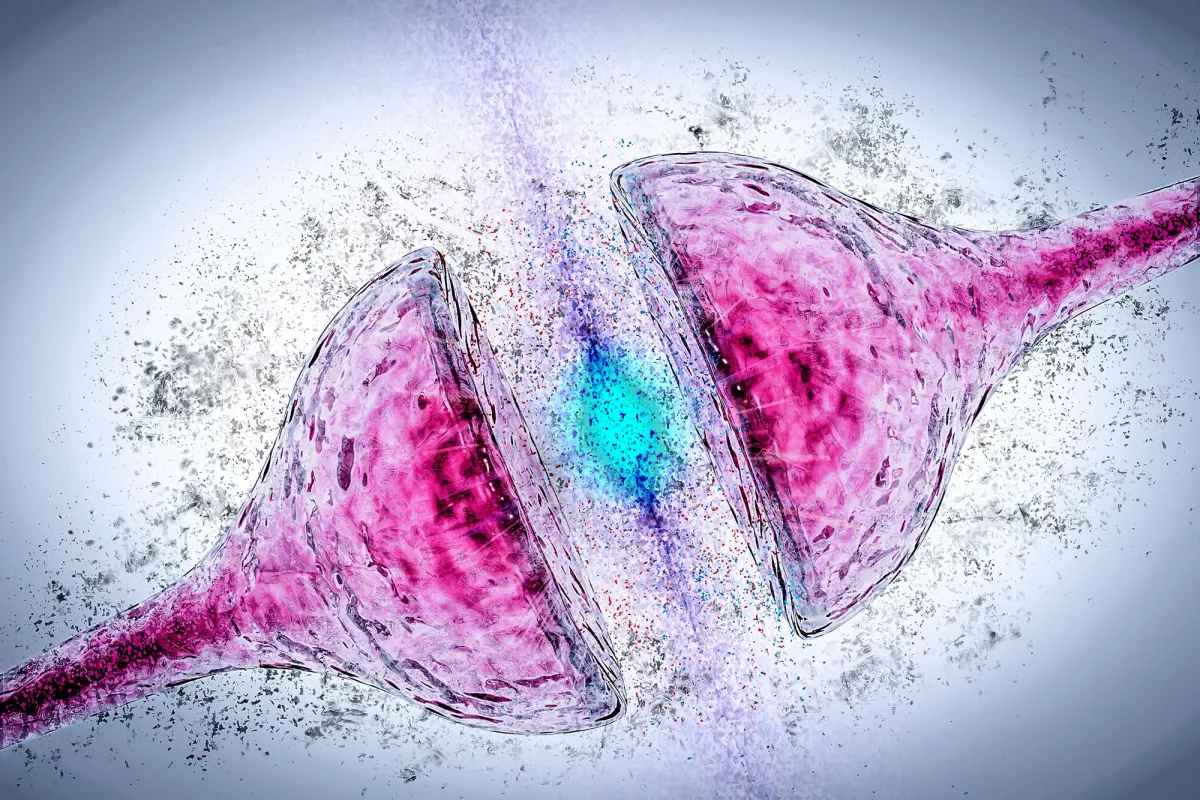
The therapy is built on supramolecular therapeutic peptides (STPs), molecules engineered to move in a coordinated way. Researchers nicknamed them "dancing molecules" because of how they interact with constantly moving receptors on nerve cells. The motion is deliberate: it allows the molecules to find and properly engage with cellular targets that static drugs often miss.
We're a new kind of news feed.
Regular news is designed to drain you. We're a non-profit built to restore you. Every story we publish is scored for impact, progress, and hope.
Start Your News DetoxHere's the clever part. The team diluted the concentration of peptide assemblies to prevent clotting as they travel through the bloodstream. Small clusters easily cross the blood-brain barrier. Once enough molecules accumulate in brain tissue, they reassemble into larger structures that pack a stronger therapeutic punch. The molecules then send signals that encourage nerve cells to repair themselves—helping damaged nerve fibers regrow and reconnect.

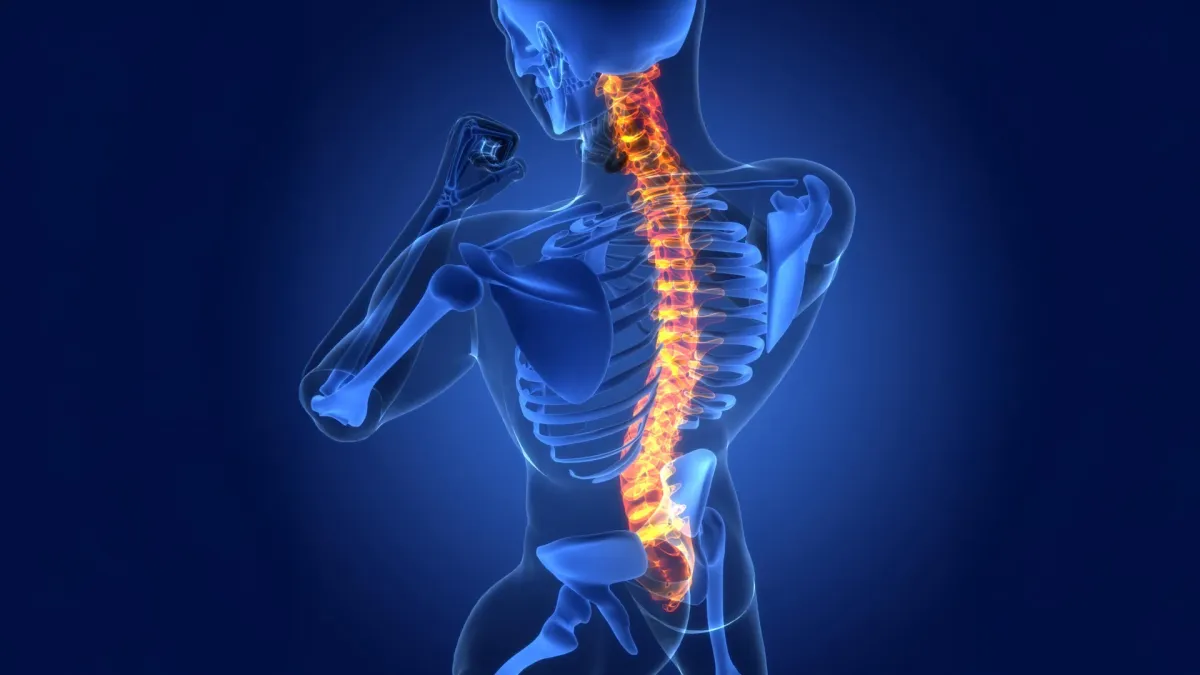
The approach builds on earlier work. In 2021, a related STP therapy reversed paralysis in mice after spinal cord injury—delivered as a direct injection at the injury site. This new version proves the same molecular logic works systemically, through the bloodstream, without surgery.
What comes next
The team tested their approach in a mouse model that closely mimics real-world stroke treatment. Compared to untreated mice, treated animals had less brain tissue death, reduced inflammation, and a dampened damaging immune response. But the current study only measures immediate protection. The researchers now need to assess whether this translates to longer-term functional recovery—whether people can actually move, speak, think more fully after treatment.
They're also exploring whether additional repair signals could be woven into the peptides to amplify the effect. And the potential reaches beyond stroke. Samuel Stupp, co-corresponding author, notes the delivery mechanism could also help treat traumatic brain injuries and neurodegenerative diseases like ALS.
The window after a stroke is minutes. The window for intervention is hours. A therapy that works through the bloodstream, without surgery, in that critical early period, could reshape how stroke is treated.