
Inflammatory bowel disease (IBD) includes Crohn’s disease and ulcerative colitis. It's a long-lasting condition where the digestive tract gets inflamed repeatedly. People with IBD often experience abdominal pain, diarrhea, fatigue, and weight loss. They have periods where symptoms go away, but then unpredictable flare-ups return.
New research led by WEHI suggests a hidden problem might explain why IBD keeps coming back. Even when patients seem fine, their intestinal cells might still be ready to die. This molecular defect was found in patients with few or no symptoms. Higher levels of cell death signals were linked to a greater chance of relapse over more than two years.
This discovery challenges the idea that intestinal cell death is just a result of inflammation. Instead, the defect appeared very early in the disease, even in people with mild symptoms. This suggests it might be part of the disease process itself.
We're a new kind of news feed.
Regular news is designed to drain you. We're a non-profit built to restore you. Every story we publish is scored for impact, progress, and hope.
Start Your News DetoxDamage Lingers Even During Remission
Dr. Andre Samson, a co-author of the study, explained that intestinal cells remain vulnerable even when patients seem well and their disease appears controlled. He noted that IBD doesn't disappear after diagnosis. Even if symptoms are managed with current treatments, flare-ups or relapses are still likely.
The team found that intestinal cells are "primed to die." This problem persists even in patients with almost no symptoms. Detecting this issue required detailed molecular analysis because it was present before clear signs of active disease.
Professor James Murphy, another co-author, called it a "smoldering" defect. This shifted the focus to what happens early in IBD, rather than just during severe inflammation. He explained that researchers usually look at severe gut inflammation. This study, however, examined gut tissue without obvious signs of active disease. They found this molecular defect happening very early in the disease's progression.
Human Tissue Reveals Early Defect
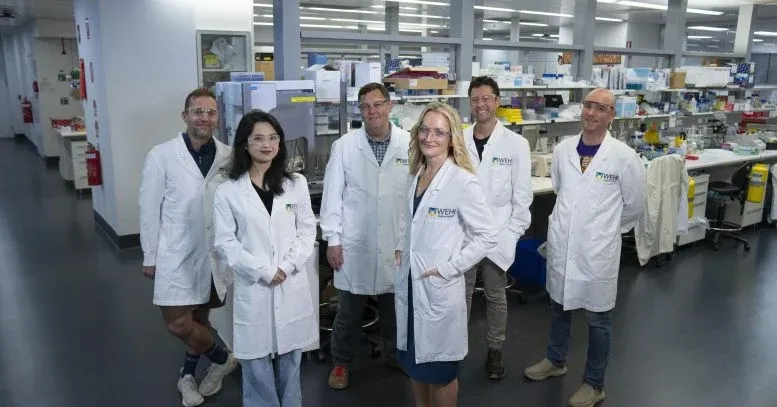
This study used human tissue and organoids grown from patients, unlike many studies that rely on animal models. The research team, including doctors from the Royal Melbourne Hospital, collected about 900 biopsies from 80 people with and without IBD.
These samples were used to create organoids, which are lab-grown tissues. This allowed researchers to study the disease directly in human cells. Professor Edwin Hawkins, who leads the Colonial Foundation Diagnostics Centre where samples were analyzed, highlighted the importance of using human tissue.
He noted that while cell death has long been linked to IBD, how it starts in humans has been unclear. This is likely because most studies use mouse models, which often don't perfectly match human conditions.
Cell Death Signals Track Relapse Risk
The researchers followed patients for over two years. They discovered that those with higher levels of intestinal cell death signals were more likely to relapse. This connection is important because IBD can vary greatly among patients. It's often hard to predict who will relapse or respond to specific treatments.
Dr. Jiyi Pang, a study co-author, believes these findings could lead to more precise disease monitoring. They might also help match treatments to individual patients better. The causes of IBD are largely unknown and quite different for each person.
By using mini-intestinal organoids and working with a diverse team, they found the inflammatory signals causing this cell death. Now, they have clues about what causes the disease at a molecular level. The next step is to see which of these can be targeted with therapies. This could help tailor treatments based on how a patient's disease behaves at a molecular level.
Better Monitoring Could Improve Remission
These findings don't immediately offer a new diagnostic test or treatment. However, Dr. Aysha Al-Ani, another co-author, said they lay the groundwork for future work. This includes potential new therapies and better ways to predict a patient's outlook.
She explained that it opens new paths for different prognostic tools. These would use more advanced methods than those currently used in clinics. The main goal of IBD therapy is to reduce how often and how severely flares happen. This stops the disease from getting worse and improves patients' lives. More sensitive molecular detection could help keep patients in deep remission longer and introduce new treatments.
Deep Dive & References
A necroptotic-to-apoptotic signaling axis underlies inflammatory bowel disease - Science, 2026