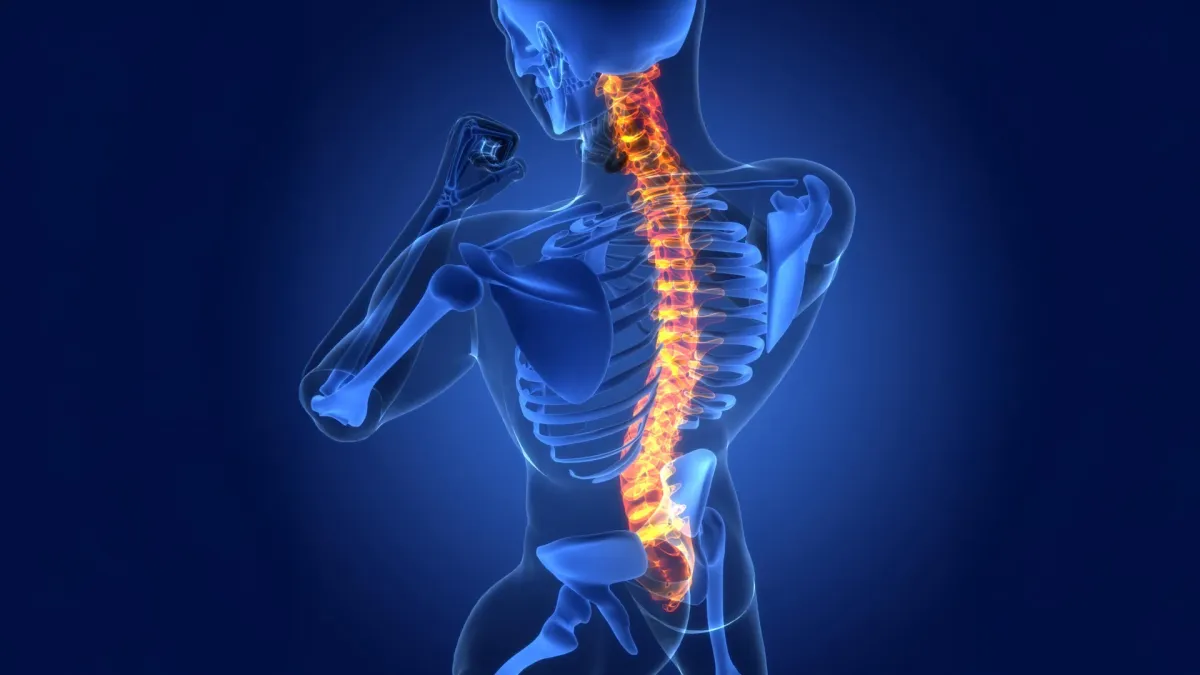
Low back pain affects roughly one in ten people globally, and for many it becomes a chronic companion that reshapes their daily life. The frustrating part: doctors often can't pinpoint why. There's no obvious structural damage on the scan, no clear diagnosis to hang treatment on. Now researchers have identified a biological pathway that might explain how spinal degeneration triggers lasting pain—and more importantly, how to interrupt it.
The key player is parathyroid hormone, or PTH, a naturally occurring substance your body uses to regulate calcium and maintain bone health. We've known for years that synthetic versions of PTH help treat osteoporosis. But a team of researchers wondered if it might also ease pain linked to bone damage in the spine. What they found, published in Bone Research, suggests it could.
To test the idea, the scientists used three different mouse models that mimic real-world causes of spinal degeneration: aging, mechanical instability from injury, and genetic predisposition. They gave some mice daily PTH injections for one to two months while others received placebos, then examined what happened to their spinal tissue and how they responded to pressure and heat.
We're a new kind of news feed.
Regular news is designed to drain you. We're a non-profit built to restore you. Every story we publish is scored for impact, progress, and hope.
Start Your News DetoxThe results were striking. Within weeks, the treated mice showed denser, more structurally sound vertebral endplates—the interfaces between spinal discs and bones. They also moved around more and tolerated pressure better than untreated mice. But the most revealing finding was what happened to the nerves.
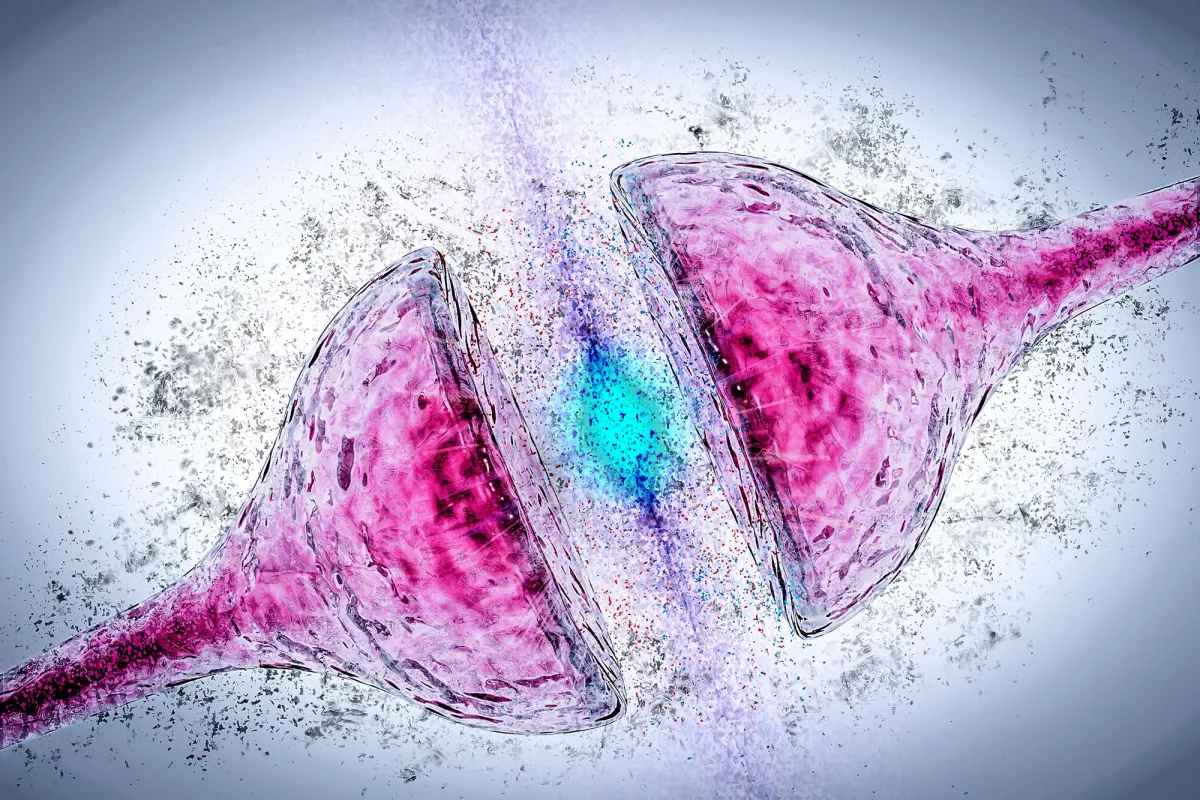
In degenerative spinal conditions, pain-sensing nerve fibers often creep into areas where they shouldn't be, amplifying sensitivity and discomfort. The PTH-treated mice showed a marked reduction in these aberrant nerve fibers. The researchers traced the mechanism: PTH activates bone-building cells called osteoblasts, which then release a protein called Slit3. This protein acts as a chemical barrier, essentially telling nerve fibers "don't grow here."
It's an elegant solution to a problem that has long frustrated both patients and doctors. The pathway is now mapped. The question is whether it translates to humans. Interestingly, some people already taking PTH-based osteoporosis drugs report less back pain—a hint that the mechanism might be at work in real bodies, not just in lab mice. But human trials are still needed before this becomes a treatment option.
For the roughly 619 million people worldwide living with chronic low back pain, this research opens a door. It suggests that the pain isn't always a mystery, and that addressing the underlying bone and nerve biology might offer relief where current treatments fall short.