Your body already knows how to stop inflammation — it just needs a little help sometimes.
Researchers at University College London have identified a biological process that acts like a dimmer switch for your immune system, turning down the inflammatory response once the threat has passed. The discovery, published in Nature Communications, points toward new treatments for chronic diseases that affect millions of people: rheumatoid arthritis, heart disease, long-term pain conditions.
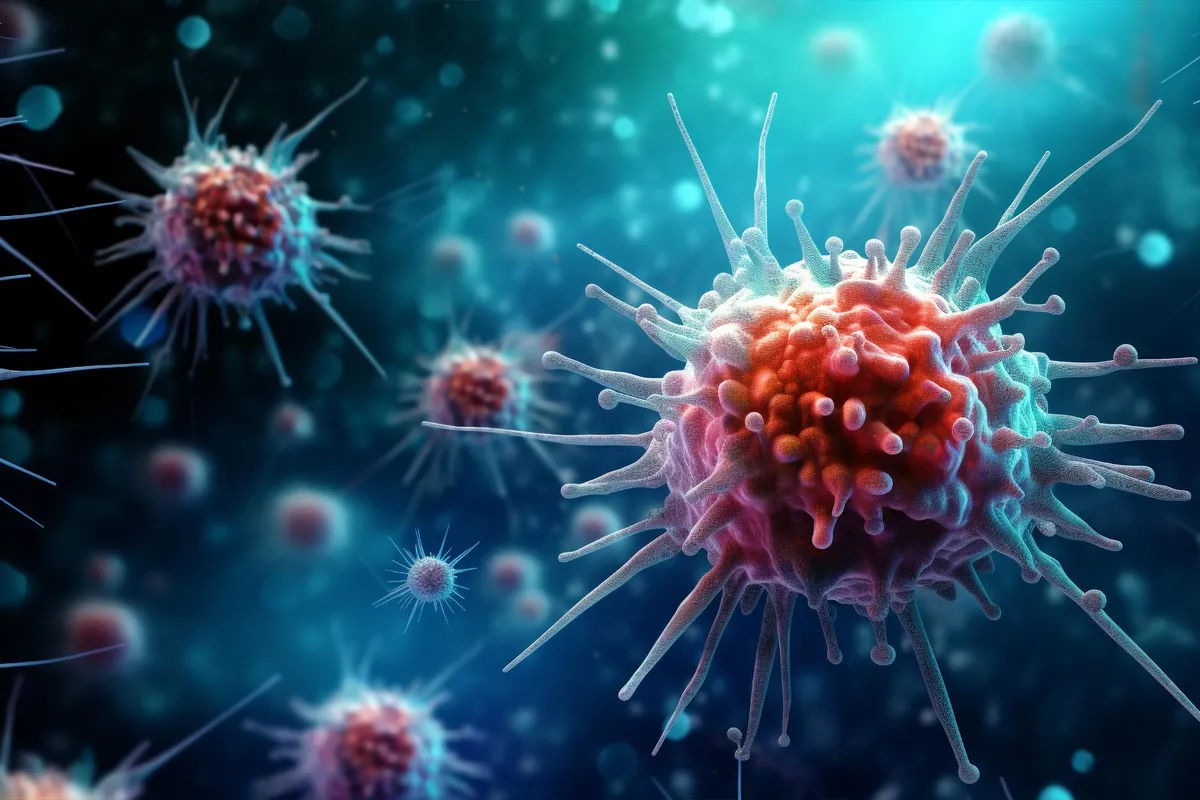
Here's what they found: small fat-based molecules called epoxy-oxylipins naturally regulate your immune response by preventing the buildup of immune cells called intermediate monocytes — the ones that keep inflammation running even after the initial problem is solved. It's like your body's way of saying "okay, crisis over, stand down."
We're a new kind of news feed.
Regular news is designed to drain you. We're a non-profit built to restore you. Every story we publish is scored for impact, progress, and hope.
Start Your News DetoxThe research team tested this in healthy volunteers by triggering a controlled inflammatory response, then giving some participants a drug called GSK2256294. This drug blocks an enzyme that normally breaks down those protective epoxy-oxylipins, essentially letting them accumulate and do their job longer.
The results were straightforward: people who received the drug experienced faster pain resolution and had significantly lower levels of those problematic immune cells in their blood and tissue. One specific molecule, 12,13-EpOME, emerged as particularly effective — it works by suppressing the protein signals that tell monocytes to transform into inflammatory agents in the first place.
"Our findings reveal a natural pathway that limits harmful immune cell expansion and helps calm inflammation more quickly," said Dr. Olivia Bracken, the study's lead author. "Targeting this mechanism could lead to safer treatments that restore immune balance without suppressing overall immunity." That last part matters: this isn't about shutting down your immune system entirely, which would leave you vulnerable. It's about helping your body finish what it started.
The next step is clinical trials testing whether these findings work in people actually living with chronic inflammatory conditions. Researchers are particularly interested in rheumatoid arthritis and cardiovascular disease — conditions where inflammation becomes the problem itself, not just the body's initial response to one.
If this pans out, it could reshape how we think about chronic pain and inflammatory disease. Instead of blunt-force immune suppression, we'd be working with your body's own off switch.