Even the most isolated Pacific reefs aren't escaping plastic pollution. A new analysis of nearly 900 fish across four island nations found that roughly one in three fish living in remote coastal waters contains microplastics—a sign that synthetic particles have infiltrated ecosystems once thought protected by their distance from industrial centers.
The study, led by Jasha Dehm of the University of the South Pacific and published in PLOS One, examined fish from Fiji, Tonga, Tuvalu, and Vanuatu. The findings reveal stark differences between islands. Fiji showed the highest contamination, with nearly 75% of sampled fish containing microplastics, while Vanuatu had just 5%. The global average for fish contamination sits around 49%, putting Fiji well above the trend.
Where fish feed shapes their plastic exposure
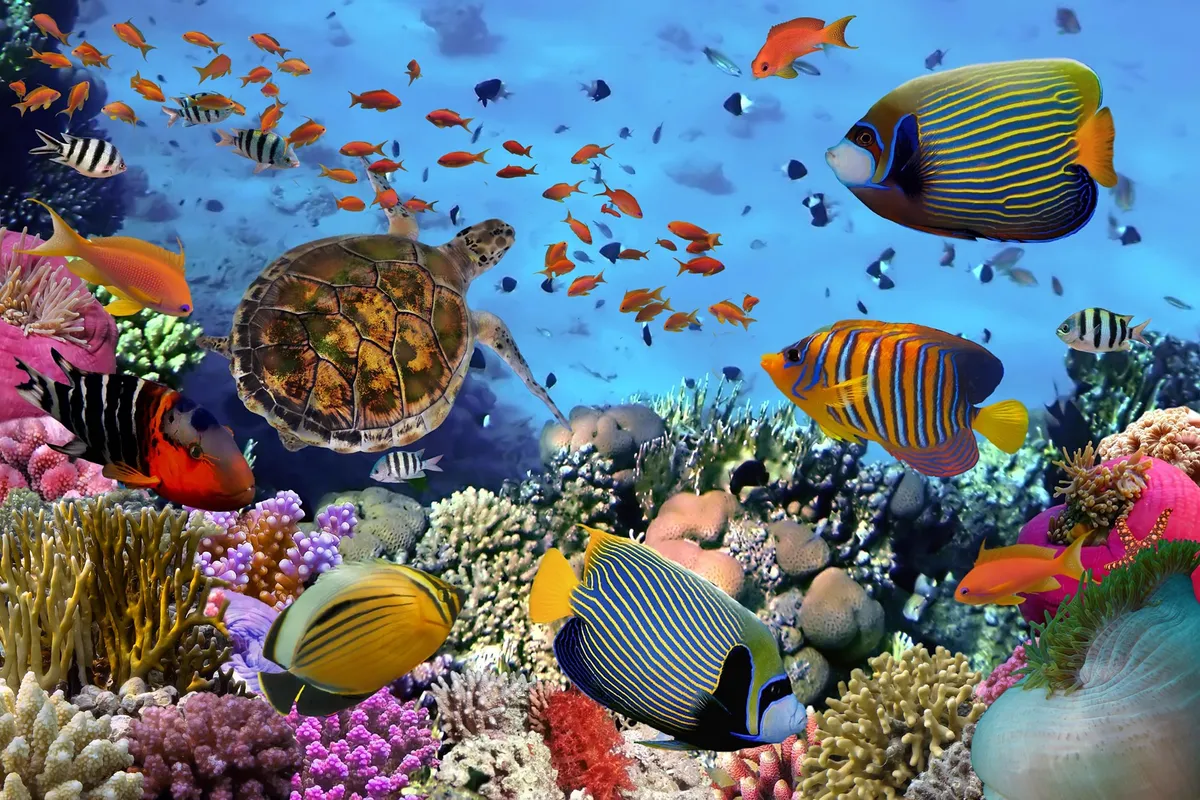
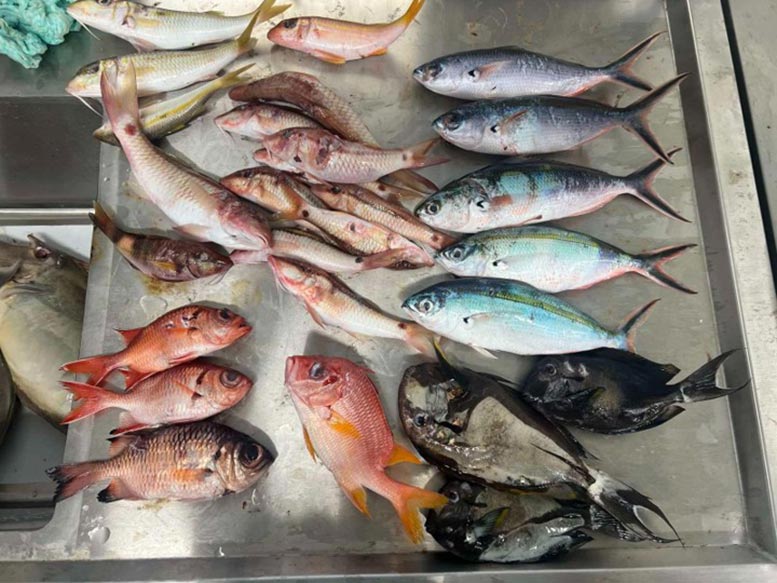
The researchers analyzed 878 fish across 138 species, looking at how each fish's diet, habitat, and feeding behavior affected its likelihood of ingesting plastic. The pattern was clear: reef-dwelling and bottom-feeding fish picked up microplastics far more often than their open-ocean cousins. Fish that forage along the seafloor or use ambush hunting strategies were particularly vulnerable—they're literally living where plastic particles settle and accumulate.
We're a new kind of news feed.
Regular news is designed to drain you. We're a non-profit built to restore you. Every story we publish is scored for impact, progress, and hope.
Start Your News DetoxTwo species appeared in catches across all four nations: the thumbprint emperor and the dash-and-dot goatfish. Both showed higher contamination in Fiji than elsewhere, suggesting location matters as much as biology.
The actual amount of plastic in each fish remained generally low, but the prevalence matters more than the volume. In subsistence fishing communities where fish is the primary protein source, even modest contamination adds up across meals and years.
Why Fiji stands apart
Fiji's significantly higher contamination likely reflects higher population density, more coastal development, and less effective waste management systems compared to neighboring islands. The researchers found that textile fibers dominated the plastic particles—suggesting the pollution comes from washing clothes and fishing gear, not just visible litter on beaches. This points to a pervasive problem that waste management can't solve by itself.
As Rufino Varea, one of the authors, noted: the reef and bottom-feeding fish most accessible to Pacific fishers are now acting as reservoirs for synthetic pollution. The study shatters the assumption that remoteness offers protection. It also challenges the idea that recycling schemes or coastal cleanup alone can fix the problem. The real issue is upstream—the sheer volume of plastic being produced globally.
The findings arrive as the Global Plastics Treaty negotiations advance toward national implementation. For Pacific communities, the evidence is urgent: they face microplastic exposure while having contributed almost nothing to the problem. The researchers argue for strict caps on primary plastic production rather than downstream solutions, the only path that could actually safeguard food security in the region.