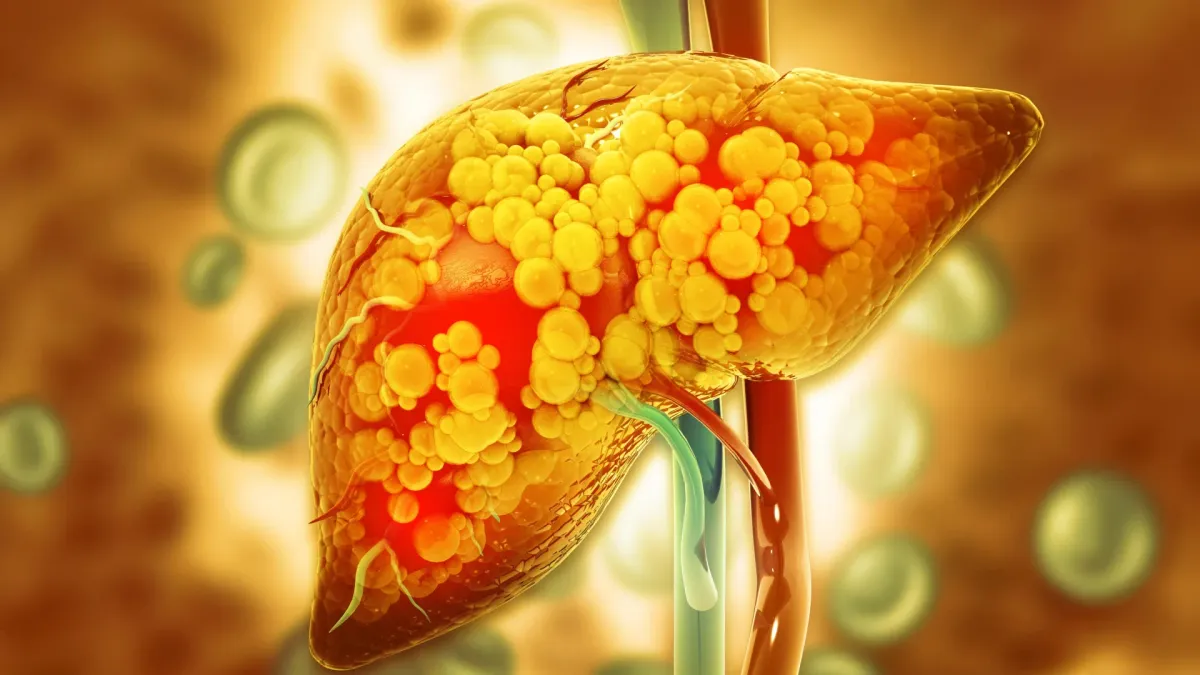
A pregnant mouse eats a high-fat, high-sugar diet. Her offspring inherit not just her genes, but her gut bacteria—and the metabolic damage that comes with it. Within weeks, their livers start accumulating fat. But in a new study, researchers found something that changed that trajectory: a compound called indole, naturally produced by healthy gut bacteria, dramatically reduced fatty liver disease in the next generation, even after those offspring were exposed to the same unhealthy diet themselves.
The finding, published in eBioMedicine, suggests that what happens in a mother's gut doesn't stay in her gut. It echoes forward, shaping her child's metabolism years later—and that inheritance might be reversible.
How the Protection Works
Jed Friedman and Karen Jonscher, researchers at the University of Oklahoma Health Sciences Center, set out to understand whether gut bacteria influence how fatty liver disease develops. They fed pregnant mice a Western-style diet high in fat and sugar. Some mothers also received indole supplementation. After weaning, the offspring were placed on a standard diet, then later switched to a Western-style diet to trigger fatty liver disease.
We're a new kind of news feed.
Regular news is designed to drain you. We're a non-profit built to restore you. Every story we publish is scored for impact, progress, and hope.
Start Your News DetoxThe results were striking. Offspring born to mothers who received indole had healthier livers, gained less weight, and maintained lower blood sugar levels—even after being exposed to the same unhealthy diet that typically causes these problems. Their fat cells stayed smaller. Their livers accumulated fewer harmful fats. And the protection appeared to work through a specific gut pathway involving a receptor called the aryl hydrocarbon receptor, which acts like a guardian of metabolic health.
In one key experiment, researchers transferred gut bacteria from the protected offspring into other mice that hadn't received indole. Those mice also experienced less liver damage, proving that the protective effect lived in the microbiome itself, not just in the offspring's genetics or behavior.
Why This Matters
Metabolic dysfunction-associated steatotic liver disease (MASLD)—fatty liver disease linked to obesity and metabolic problems—is growing rapidly in children and adults. It's one of the most common liver diseases in developed countries, and it has few effective treatments once it takes hold. Prevention has always been the better strategy, but preventing it in children born to mothers with poor diets has seemed nearly impossible.
This research opens a different door. "Anything we can do to improve the mother's microbiome may help prevent the development of MASLD in the offspring," Jonscher said. "That would be far better than trying to reverse the disease once it has already progressed."
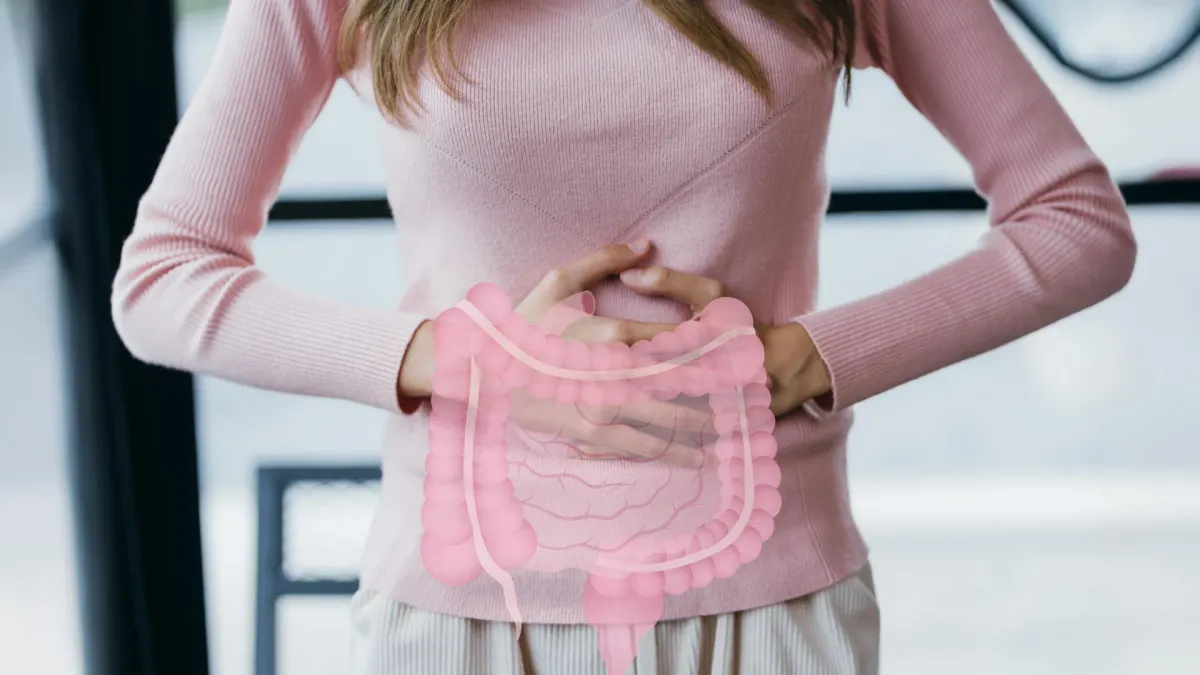
The study was conducted in mice, so the leap to human pregnancy and infant health isn't automatic. But the biology is suggestive. Humans inherit their microbiome from their mothers during birth and early feeding. A mother's diet shapes that inherited community of bacteria. And indole-producing bacteria exist in healthy human guts too.
The next question researchers are asking: Could pregnant people benefit from foods or supplements that boost indole-producing bacteria? Which foods naturally support these bacteria? And how early in pregnancy does this protection begin to matter? Those answers could reshape how we think about prenatal health—not as a nine-month sprint, but as the beginning of a metabolic conversation between mother and child that lasts years.