Researchers at Case Western Reserve University have identified the molecular culprit behind Parkinson's disease damage — and designed a compound that stops it. In lab tests and animal models, their approach improved movement and cognitive function while reducing brain inflammation. The breakthrough targets the disease's root cause rather than just masking symptoms, potentially reshaping how Parkinson's is treated.
About 1 million Americans live with Parkinson's disease, and nearly 90,000 new cases are diagnosed each year. The condition gradually destroys dopamine-producing nerve cells, stealing away controlled movement and cognitive sharpness over time.
The Energy Drain
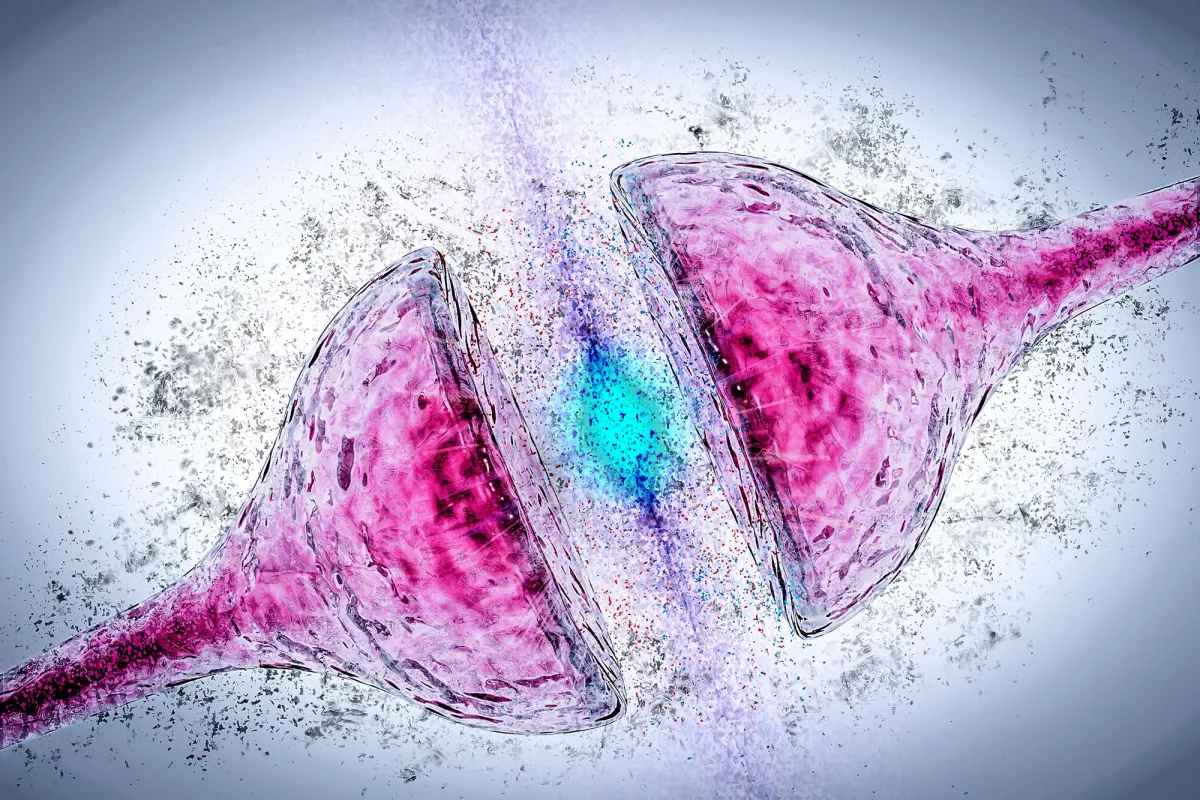
The research team, led by Xin Qi at Case Western's School of Medicine, spent three years tracing how Parkinson's actually damages brain cells. They discovered that alpha-synuclein — a protein that accumulates in Parkinson's patients — abnormally binds to an enzyme called ClpP. Normally, ClpP acts as a maintenance worker inside cells, keeping them healthy. But when alpha-synuclein latches onto it, ClpP stops working.
We're a new kind of news feed.
Regular news is designed to drain you. We're a non-profit built to restore you. Every story we publish is scored for impact, progress, and hope.
Start Your News DetoxThis matters because ClpP is stationed in the mitochondria, the cell's power generator. When ClpP fails, mitochondria begin to collapse. Brain cells lose their energy supply, neurons die, and Parkinson's accelerates.
"We've uncovered a harmful interaction between proteins that damages the brain's cellular powerhouses," Qi explained. "More importantly, we've developed a targeted approach that can block this interaction and restore healthy brain cell function."
The team created a compound called CS2 that acts as a decoy. It draws alpha-synuclein away from ClpP, preventing the damaging interaction and allowing mitochondria to recover. In multiple models — human brain tissue, neurons derived from patient cells, and mice — CS2 reduced inflammation and improved movement and thinking.
From Lab to Clinic
What makes this different from existing Parkinson's treatments is the direction. Most current drugs manage symptoms like tremor and rigidity. CS2 targets the underlying mechanism that causes cell death in the first place.
"Instead of just treating the symptoms, we're targeting one of the root causes of the disease itself," said Di Hu, a research scientist on the team.
Over the next five years, the researchers plan to refine CS2 for human use, expand safety testing, identify biomarkers that predict disease progression, and move toward clinical trials. The goal isn't incremental — it's transforming Parkinson's from a progressive, crippling condition into something manageable or resolved entirely.
The findings were published in Molecular Neurodegeneration in 2025. This is the kind of research that takes years to bear fruit in people's lives, but it represents the moment when a disease's hidden mechanism finally clicks into focus — and becomes something scientists know how to interrupt.