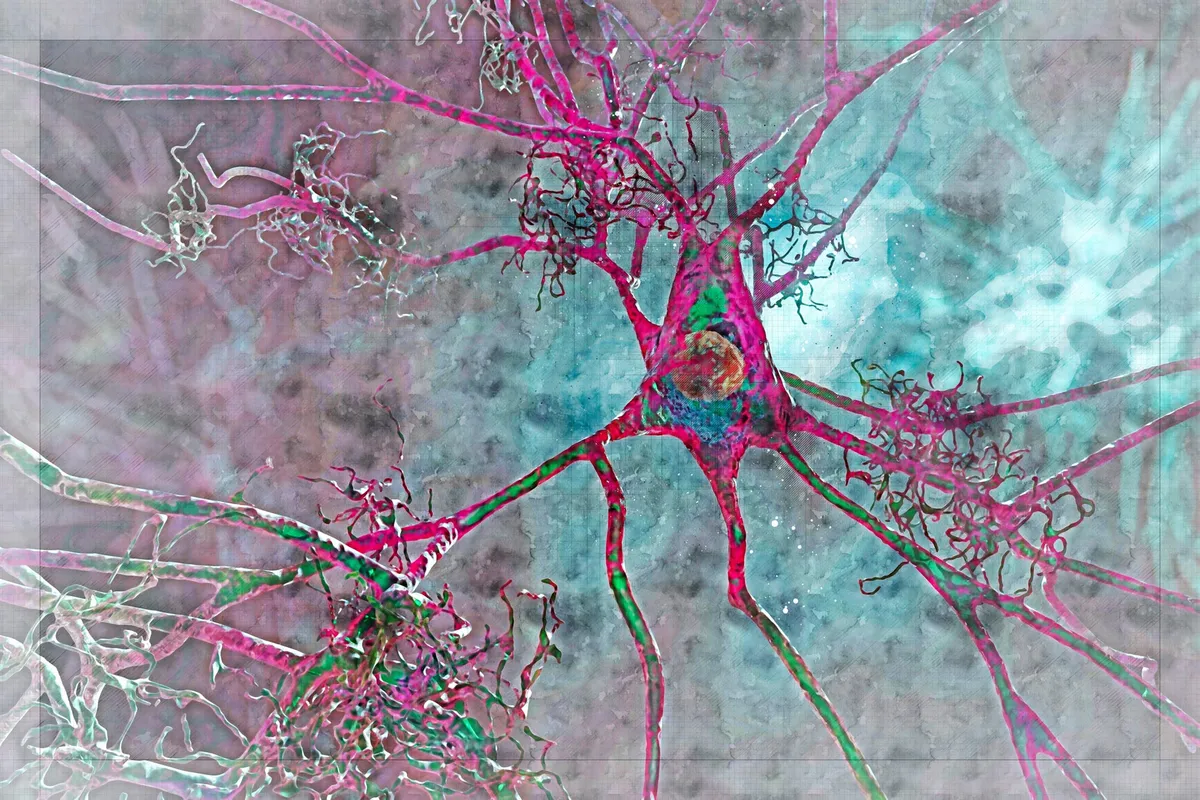
Your brain has a cleanup crew, and some neurons are better at using it than others. Scientists at UCLA Health and UC San Francisco just figured out why—and it could reshape how we treat Alzheimer's disease.
The discovery hinges on a protein complex called CRL5SOCS4, which acts like a molecular tag-and-dispose system. When tau, the toxic protein that accumulates in Alzheimer's brains, gets tagged by this complex, the cell's recycling machinery kicks in and breaks it down. Neurons with more of this complex survive longer, even when tau is present. The finding, published in Cell, emerged from screening nearly every gene in the human genome using CRISPR technology in lab-grown human neurons—a brute-force approach to finding what actually matters.
"We wanted to understand why some neurons are vulnerable to tau accumulation while others are more resilient," said Dr. Avi Samelson, the study's lead author. The answer wasn't obvious. Out of over 1,000 genes flagged in the initial screen, CRL5SOCS4 stood out as a critical player. When the team looked at brain tissue from people who had Alzheimer's disease, they found that neurons with higher levels of this complex were more likely to have survived the tau onslaught.
We're a new kind of news feed.
Regular news is designed to drain you. We're a non-profit built to restore you. Every story we publish is scored for impact, progress, and hope.
Start Your News DetoxThe Stress Connection
But the research uncovered something unexpected: a link between damaged mitochondria (the cell's power plants) and tau toxicity. When mitochondria malfunction, cells produce a specific tau fragment about 25 kilodaltons in size. This fragment matches a biomarker researchers have detected in the blood and spinal fluid of Alzheimer's patients—a finding that suggests the lab discovery has real relevance to what happens in actual human brains.
"This tau fragment appears to be generated when cells experience oxidative stress, which is common in aging and neurodegeneration," Samelson explained. The stress disrupts the proteasome, the cell's protein-recycling machine, causing it to mishandle tau. This altered fragment changes how tau proteins clump together, potentially accelerating disease progression.
The implications are practical. Boosting CRL5SOCS4 activity could help neurons clear tau more efficiently. Protecting the proteasome during periods of cellular stress could reduce the formation of harmful tau fragments in the first place. The researchers used neurons derived from people carrying actual disease-causing mutations, which strengthens confidence that these mechanisms matter for human disease, not just lab conditions.
The large-scale genetic screen also flagged additional pathways previously unknown to regulate tau, including a process called UFMylation and enzymes involved in building cellular membrane structures. Each represents a potential therapeutic target.
Alzheimer's disease affects nearly 6 million Americans and still lacks effective treatments. This research doesn't offer a cure tomorrow, but it narrows the gap between "we don't know why this happens" and "here's a mechanism we can actually target." The next phase involves translating these findings into drug candidates and clinical trials—work that's already underway at several research institutions.