Your brain doesn't just feel different during menopause. It actually changes shape.
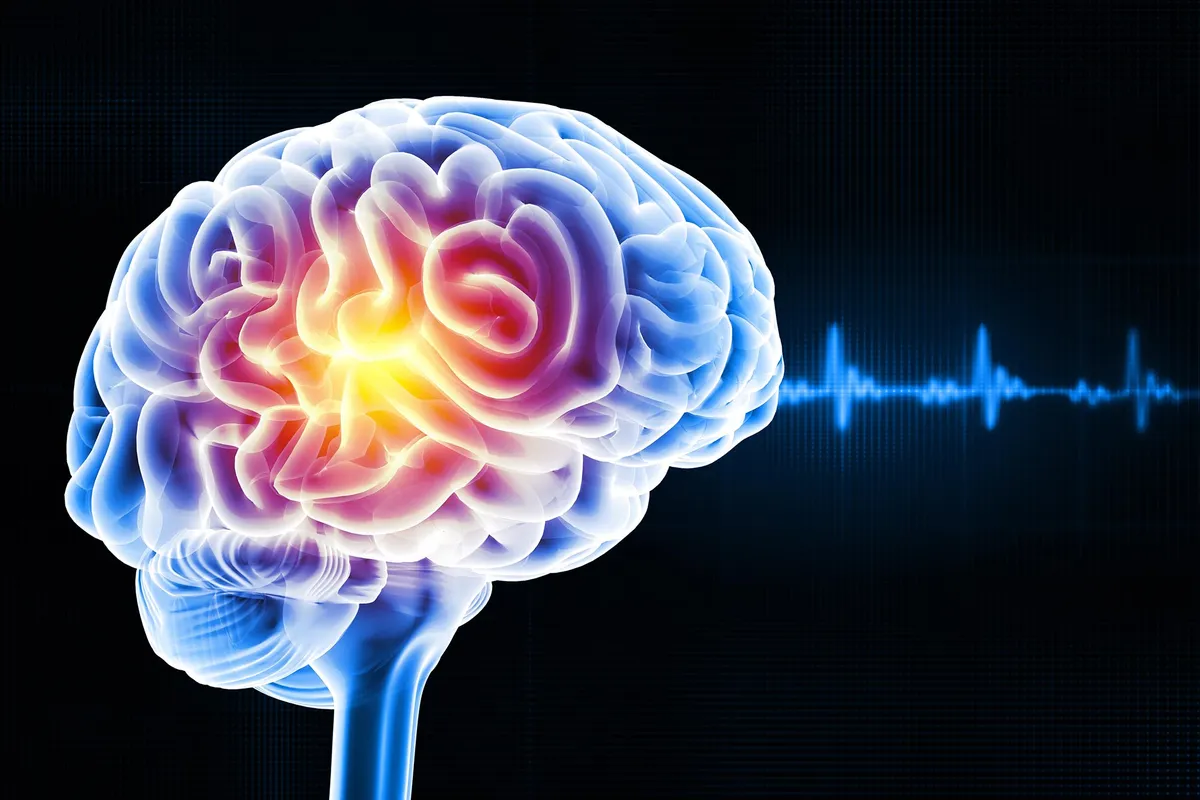
Researchers reviewing decades of brain imaging studies have found that menopause triggers measurable shifts in brain structure—particularly in regions that handle memory and focus. Gray matter shrinks in the frontal and temporal cortices and hippocampus. White matter develops bright spots on MRI scans, signs of reduced blood flow. And yet, some of that gray matter appears to bounce back afterward, suggesting the brain is adapting rather than simply declining.
The findings, presented at the 2025 Annual Meeting of The Menopause Society, offer the first clear picture of what's happening inside the head when hormones shift. For the millions of women experiencing "brain fog"—that frustrating blend of forgetfulness, difficulty concentrating, and mental exhaustion—it's validation that something real is happening. It's not mood, not stress, not aging alone. It's neurobiology.
We're a new kind of news feed.
Regular news is designed to drain you. We're a non-profit built to restore you. Every story we publish is scored for impact, progress, and hope.
Start Your News DetoxWhat the research shows
The structural changes are tied to estrogen withdrawal. As hormone levels drop, the brain's estrogen receptors actually increase in density, which researchers interpret as the brain trying to hold on to what it's losing. But the adaptation comes with a cost: women often report worse memory performance during this adjustment period.
White matter hyperintensities—those bright spots on brain scans—appear more frequently in women with early menopause or severe hot flashes. They're associated with cognitive decline, balance problems, and mood shifts. More concerning, they're linked to higher stroke and dementia risk, which is why understanding them matters beyond the immediate menopause years.
But here's where the story shifts: some studies suggest gray matter volume partially recovers after menopause ends. This hints at neuroplasticity—the brain's ability to rewire itself. The fog lifts not because hormones return (they don't), but because the brain learns to function in its new configuration.
Why this research matters now
Menopause brain changes have been largely invisible in medical literature. Women report cognitive symptoms; doctors often nod sympathetically and offer little explanation. This research gives those symptoms a biological foundation, which changes everything about how they're treated.
Dr. Stephanie Faubion, medical director for The Menopause Society, frames it plainly: "These data will hopefully lead to a better understanding of the factors underlying some of the cognitive concerns experienced by women during the menopause transition so that we can ultimately identify effective therapies."
The work comes from researchers at Ponce Health Sciences University in Puerto Rico, where PhD students Angélica Rodríguez and Andrea Pereira synthesized findings from across the field. Their next step is identifying which therapies—hormone replacement, cognitive training, lifestyle changes—actually help the brain adapt more smoothly.
For now, the takeaway is simpler: your brain during menopause isn't broken. It's reorganizing.