Scientists at UC San Diego have traced a direct line from your brain to your heart's injury response—and learned how to dial it down. When a heart attack happens, specific nerve cells wrap around the damaged tissue and trigger a chain reaction that makes things worse. Block that signal, and in mice, the damage nearly vanishes.
"The injury almost disappears," says neuroscientist Vineet Augustine, who led the study published in Cell. It's a finding that could reshape how doctors treat heart attacks in humans, though that's still years away.
Researchers have suspected for decades that the brain influences heart attack outcomes. Back in 2000, scientists showed that stimulating the vagus nerve—a major bundle of fibers connecting brain to organs—could reduce inflammation in rats. But the new work reveals something far more specific: a three-part circuit that turns injury into cascading damage.
We're a new kind of news feed.
Regular news is designed to drain you. We're a non-profit built to restore you. Every story we publish is scored for impact, progress, and hope.
Start Your News DetoxHow the Circuit Works
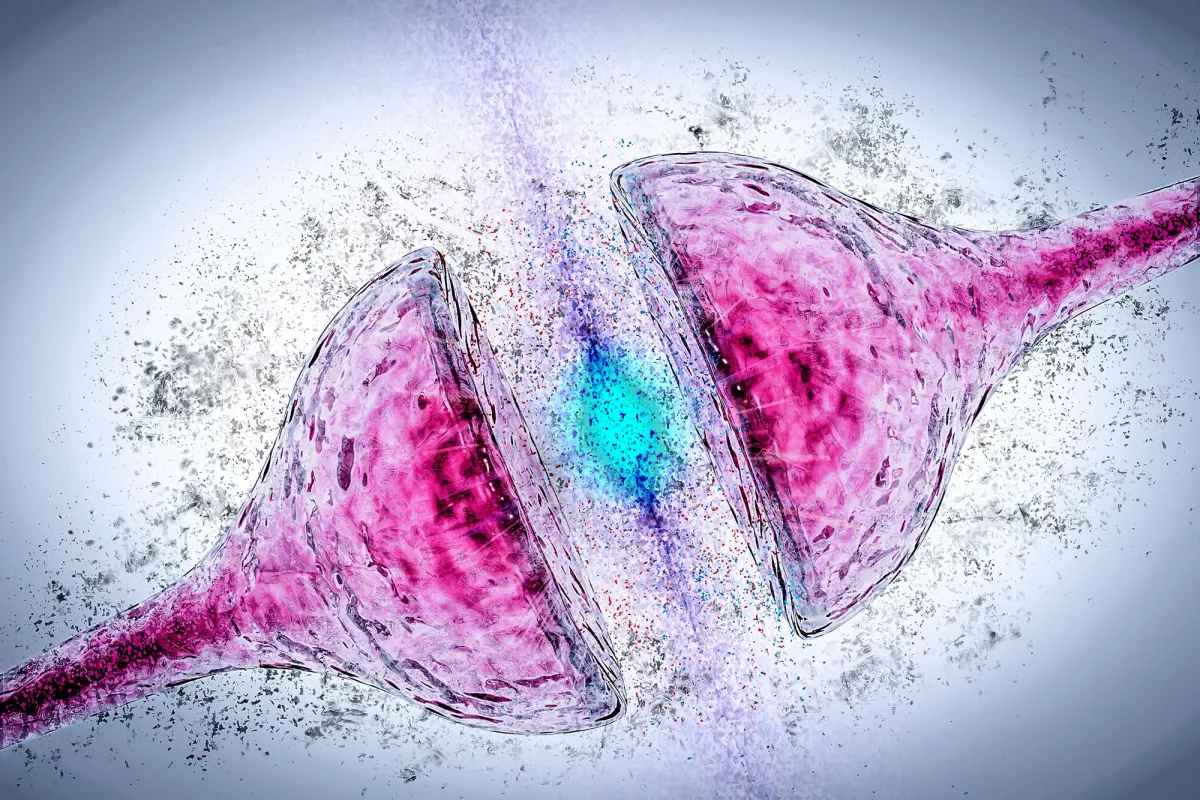
During a heart attack, certain nerve cells (called TRPV1 neurons) literally position themselves at the injury site. These cells send a distress signal to the hypothalamus, a brain region that controls temperature and sleep. The hypothalamus then activates another set of nerve cells that project back to the heart, where they release immune proteins that drive inflammation—the very process that compounds heart damage.
When the UCSD team disabled any point in this three-step loop, heart function improved dramatically in their mouse models. Pumping efficiency recovered, and the electrical signals that coordinate heartbeats stabilized. "It's like the brain is amplifying the problem," Augustine explained in interviews about the work. "Turn off that amplification, and the heart recovers better."
The research builds on decades of work showing that the nervous and immune systems are far more intertwined than once thought. What makes this study different is the precision: researchers identified the exact cells involved and the exact pathway they use. That specificity matters because it suggests a target for intervention.
Cardiac electrophysiologist Kalyanam Shivkumar at UCLA, who reviewed the work, sees it as a bridge between ancient wisdom and modern neuroscience. "What the Buddha said: meditate," he noted. "I call it Zen cardiology." There's already an FDA-approved vagus nerve stimulator on the market for other conditions; future trials could test whether it helps heart attack patients.
The UCSD team's next step is to understand exactly what these nerve cells are sensing at the injury site and how they communicate with heart cells. That knowledge could lead to drugs that interrupt the pathway without surgery—a far simpler path to the clinic than stimulating nerves directly.
For now, the findings remain in mice. But they've opened a door to treating heart attacks not just as a plumbing problem—blood clots blocking vessels—but as a brain-body communication crisis that medicine might finally learn to manage.