More than a third of the world's cancer cases could be stopped before they start. That's the finding from a sweeping analysis by World Health Organization scientists who've mapped which cancers are tied to infections, smoking, alcohol, and other avoidable factors — and where prevention efforts could make the biggest difference.
The scale is stark: 7 million preventable cancers annually, out of roughly 19 million cases worldwide. Tobacco alone accounts for 3.3 million of those cases. Infections — including HPV and hepatitis B — drive another 2.3 million. Alcohol adds 700,000 more.

What makes this research different is that it pulls together infectious causes alongside the lifestyle and environmental factors we already knew about. "This is the first comprehensive assessment of preventable cancer worldwide that brings all of these together," says Dr. Isabelle Soerjomataram, one of the lead researchers. The precision matters because it shows policymakers exactly where to focus.
We're a new kind of news feed.
Regular news is designed to drain you. We're a non-profit built to restore you. Every story we publish is scored for impact, progress, and hope.
Start Your News DetoxThe burden isn't evenly distributed. Men account for 45% of preventable cancers — largely because smoking rates remain higher among men globally. Women sit at 30%. But the type of preventable cancer varies dramatically by region. In Europe, women face higher risks from smoking, infections, and obesity. In sub-Saharan Africa, infections drive nearly 80% of preventable cancers in women, reflecting both the prevalence of diseases like hepatitis B and HIV, and limited access to vaccines and screening.
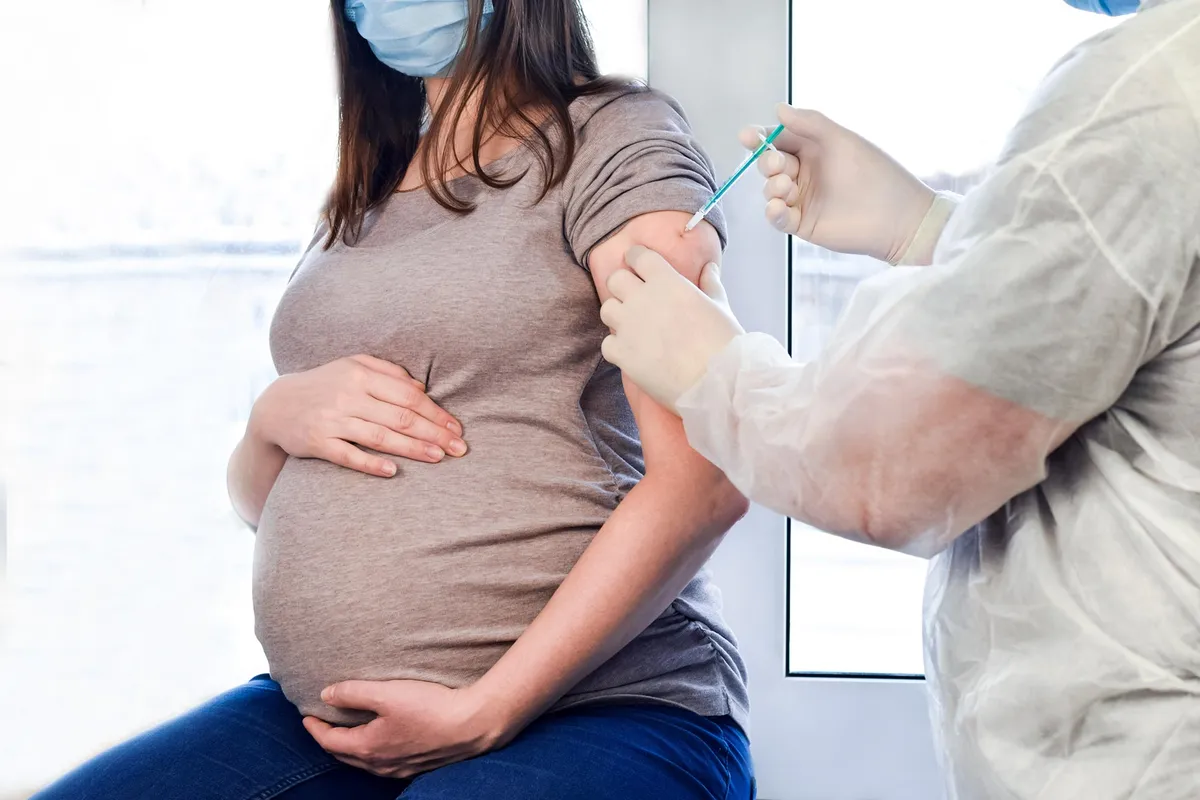
This isn't just a global number game. It means that in some places, a hepatitis B vaccination program could prevent thousands of cancers. In others, tobacco control and smoking cessation support would save the most lives. In still others, HPV vaccination — which has already prevented cervical cancer in countries with robust programs — could transform outcomes.
The WHO's stated goal is to push that 37% figure as close to zero as possible. That won't happen overnight, and it won't happen everywhere at the same pace. But the research makes one thing clear: we're not talking about cancers we can't prevent. We're talking about cancers we're choosing not to prevent yet — and the science now shows exactly what would change that.