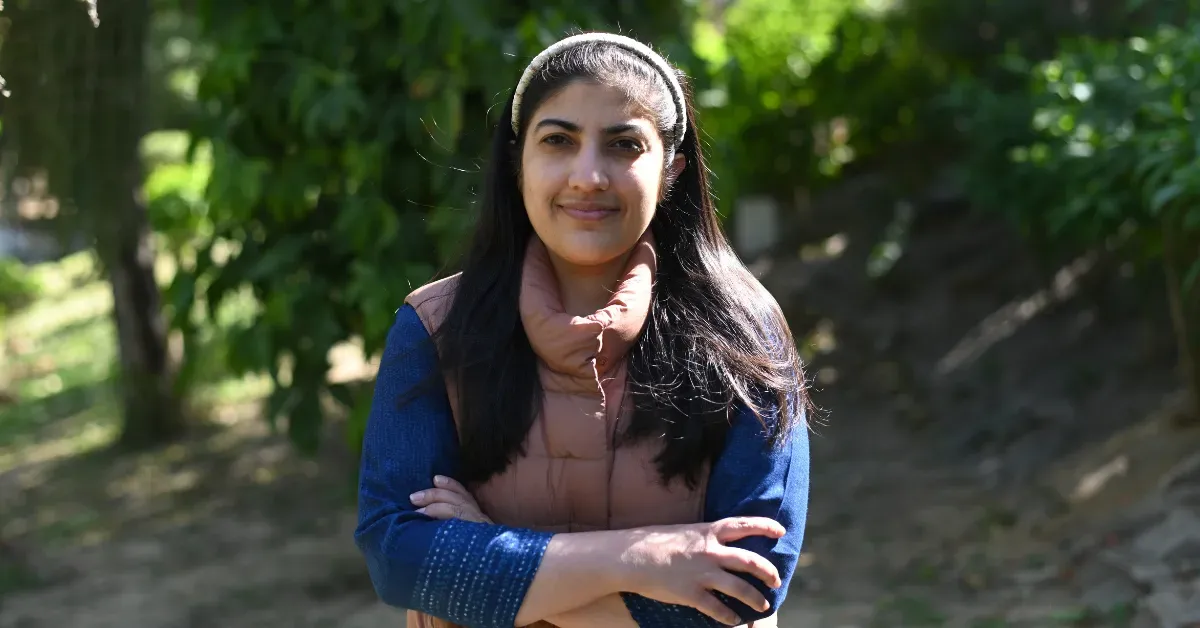
Sheethal TS, a junior manager at Gram Vikas, noticed her ideas were often double-checked by male colleagues, even when she led the team. Jagrity Sharan, another professional, felt she missed out on timely opportunities. These experiences highlight common challenges women face in the workplace.
Many women in India's social impact sector start their careers with strong commitment. However, their paths to leadership often involve more obstacles and take longer. Anchal Kakkar noticed this trend and decided to find solutions.
From Corporate to Social Impact
Anchal started her career in corporate audit at PwC in 2007. She gained a strong foundation in finance and systems. But she soon felt drawn to work that directly impacted people's lives.
We're a new kind of news feed.
Regular news is designed to drain you. We're a non-profit built to restore you. Every story we publish is scored for impact, progress, and hope.
Start Your News DetoxThis led her to pursue an MBA at Saïd Business School, Oxford. She wanted to connect business thinking with social challenges. After her MBA, she worked with Dasra and the Boston Consulting Group. These roles helped her understand how organizations work and where they struggle, especially with talent.
Understanding the Leadership Gap
In 2016, Anchal co-founded Arthan, focusing on talent and leadership in the social impact sector. She observed a clear pattern: many women joined organizations at entry-level, but their numbers decreased significantly in middle management and leadership roles.
This wasn't a sudden drop. Women left at different stages due to caregiving, limited opportunities, or a lack of supportive systems. Anchal noted that the existing work structures often required extra effort from women to navigate. Even in leadership, women's voices were not always equally recognized.
Researching and Building Solutions
During the COVID-19 pandemic in early 2020, Anchal and her team began studying the challenges women faced in leadership. With support from the Rockefeller Foundation, they interviewed women leaders and documented their experiences. This research showed where changes were needed.
By April 2020, they launched 'EquiLead' under Arthan, with partners like Climate Asia. EquiLead was designed to be a collaborative platform. It aimed to work with other organizations to create a broader, more lasting impact.
Their research expanded until 2024, covering 128 organizations. It looked at leadership, policies, culture, and belonging. The findings showed that while many organizations wanted to support women, only 31% had women in leadership roles. Organizations were at different stages of implementing inclusive practices.
The Gender Accelerator Programme
Anchal realized that focusing only on individuals or only on organizations wasn't enough. Both needed support. Women needed opportunities, and organizations needed tools to create supportive environments.
Based on their research, they developed the 'Gender Accelerator Programme,' launched in January 2025. This six-month program helps organizations become more inclusive. It starts with a three-day workshop for senior leaders to build a shared understanding of inclusion.
Each organization then creates a Gender Action Plan. Over six months, the EquiLead team provides support through sessions, discussions, and peer learning. Organizations also learn from each other's successes.
Seeing the Change
The program brings gradual but meaningful changes. Sachin Deshpande, a manager at Janaagraha, said the program helped his team recognize biases. They now have a more balanced hiring process and flexible return-to-work options.
Gargi, from Chambal Media, noted policy reviews and stronger internal processes. Rajendra Meher, CEO at YCDA, said gender perspectives are now more intentionally included in programs, recruitment, and policies.
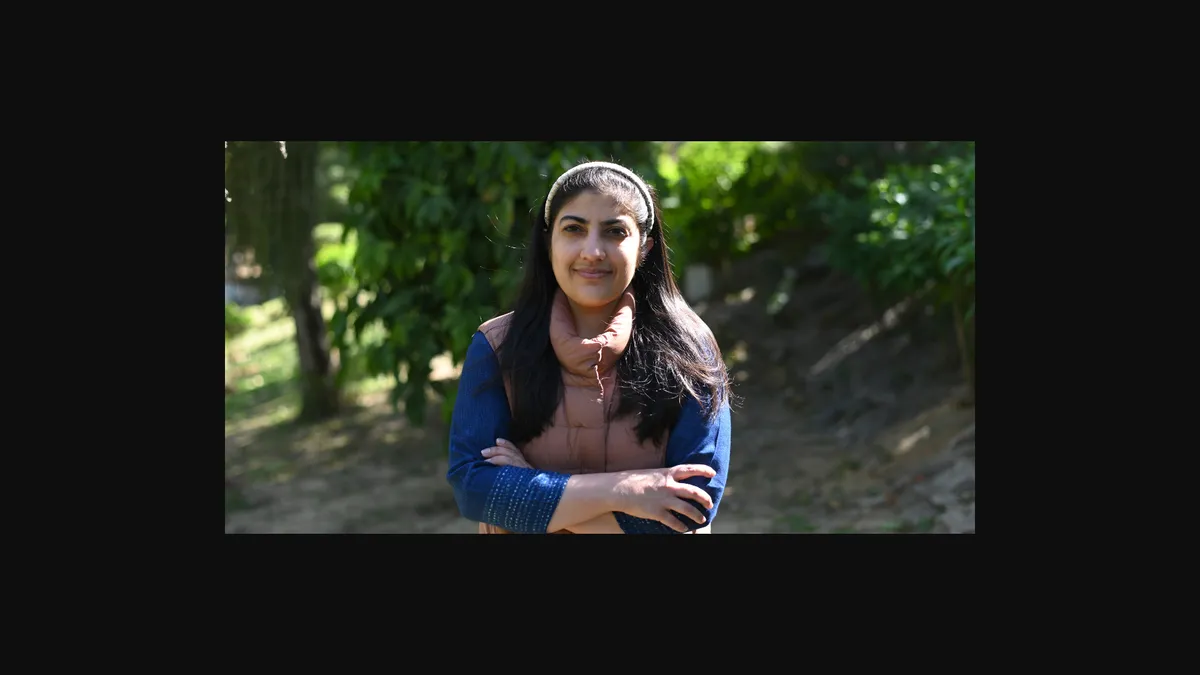
These changes also lead to personal shifts. Sheethal feels more confident and helps other women in her organization feel heard. Jagrity found connection and a new perspective on her own journey by listening to other women.
EquiLead has worked with about 50 organizations and reached over 28,000 women professionals. In 2025, Arthan helped place 80 women in mid to senior leadership roles, ensuring balanced representation.
Overcoming Challenges
The work isn't easy. Organizations often have limited time and capacity. Different perspectives on gender within teams also require careful conversations. However, engaging leadership and building shared ownership helps embed these ideas into daily work.
The program is changing how leadership is viewed. Rajendra sees leadership as creating space for others to grow. Gargi emphasizes listening and building trust. Sheethal is learning and growing her own leadership style.
EquiLead started as a research effort in 2020 and has grown into a platform combining research, programs, and community. Anchal aims to integrate gender more strongly into how organizations function, making it a natural part of their systems. The goal is to create workplaces where everyone feels they belong and can do their best work.