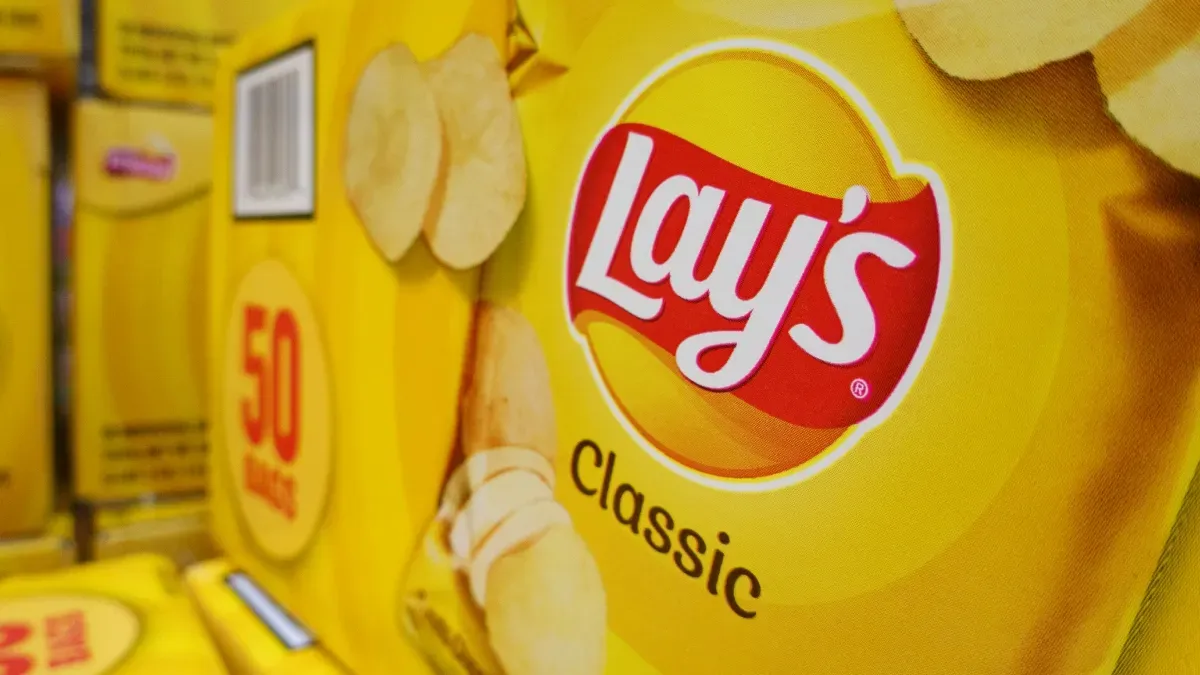
For nearly a century, Lay's chips have been the reliable, crinkly companion to sandwiches and an emergency snack for, well, everything. Now, in a move that might surprise precisely 42% of their consumer base (we'll get to that in a second), the iconic chip brand is getting a major rebrand, complete with a fresh look and a quiet commitment to healthier ingredients.
First, the surprise: Lay's, a company founded by Herman W. Lay in 1932, recently discovered that almost half of its snackers don't realize their chips are made from actual, honest-to-goodness potatoes. Yes, the vegetable. The one that grows in the ground. Which, if you think about it, is both impressive and slightly terrifying.
To combat this potato-ignorance, Lay's is leaning into its agricultural roots. They're not just grabbing any spud off the shelf; out of 4,000 registered potato varieties, only ten make the cut. The company even spends up to nine years cultivating the perfect Lay's potato for farmers, ensuring that ideal crisp, flavor, and that signature golden hue.
We're a new kind of news feed.
Regular news is designed to drain you. We're a non-profit built to restore you. Every story we publish is scored for impact, progress, and hope.
Start Your News DetoxA Fresh Bag for a Familiar Crunch
For the first time in nearly 100 years, the bags themselves are getting a redesign. The new packaging will put the spotlight on "real potatoes, real people, and real joy" — a noble goal for a snack food. More importantly, Lay's is quietly ditching artificial flavors and colors from its U.S. products.
Alexis Porter, PepsiCo’s VP of Marketing for Global Lay’s, framed it as a celebration of the farm-grown potato. Carl Gerhards, PepsiCo’s Senior Director of Design, even called the redesign a "love letter to our origins." Because apparently, that's where we are now: writing love letters to starchy tubers.
The familiar "Lay’s Rays" and the red ribbon logo will stick around, but expect better photography to really drive home the whole "we're made from actual plants" message. It's a subtle shift, but one that aims to remind us that even our most ubiquitous snacks have a story, and sometimes, that story involves a nine-year potato development cycle.