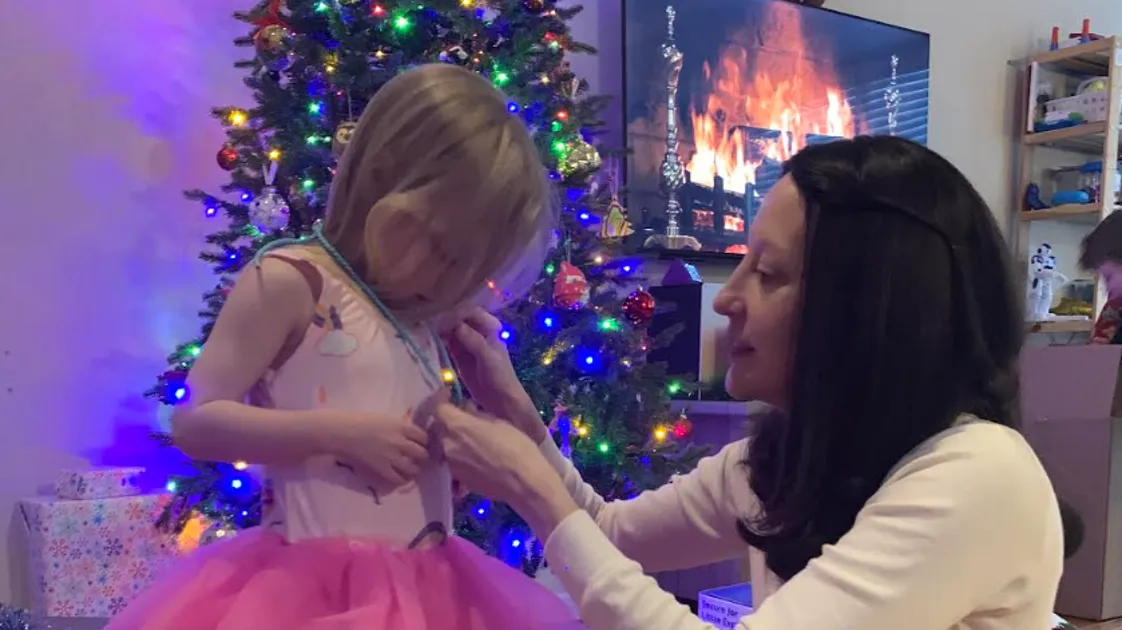
In October 2025, a mother was home with her three children. She was undergoing breast cancer treatment, which caused a severe, red rash on her face. Her 3-year-old daughter looked at her with concern.
The daughter then said, "Mommy, I want to kiss your boo-boos." The mother was surprised because her face looked so bad she wore a surgical mask outside. She knelt down, and her daughter gently held her face. The little girl kissed her mother's chin and asked, "Does it feel better, Mommy?" The mother nodded, feeling emotional tears. She realized her daughter had shown her the purest form of love.
Sharing the News with Children
The mother was diagnosed with breast cancer in early September. She and her husband waited to tell their children. They wanted to maintain a sense of normalcy during the first week of school and many doctor appointments. After the initial rush, they met with a social worker. This person helped them plan a child-friendly conversation.
We're a new kind of news feed.
Regular news is designed to drain you. We're a non-profit built to restore you. Every story we publish is scored for impact, progress, and hope.
Start Your News DetoxOne Tuesday night, they gathered their children in the living room with ice pops. The husband explained that Mommy found a bump and doctors knew how to fix it. He said she would take strong medicine and might feel tired or unwell. Their oldest son simply asked, "Why are you telling us this?" He seemed reassured. The other two children continued to enjoy their ice pops.
The mother worried about how her 3-year-old daughter, who spent the most time with her, would handle the changes. She vowed to keep being the Mommy her daughter loved. Her cancer treatment, known for causing physical changes, began a few days later.
Navigating Treatment Side Effects
The initial treatment plan involved infusions every three weeks for 18 weeks. She scheduled them for Fridays. This way, the side effects, which usually started about three days later, would hit when the children were in school. Mondays and Tuesdays were the hardest, with fatigue, nausea, and stomach issues lasting about five days. She developed a mental strength to hide her discomfort from her children.
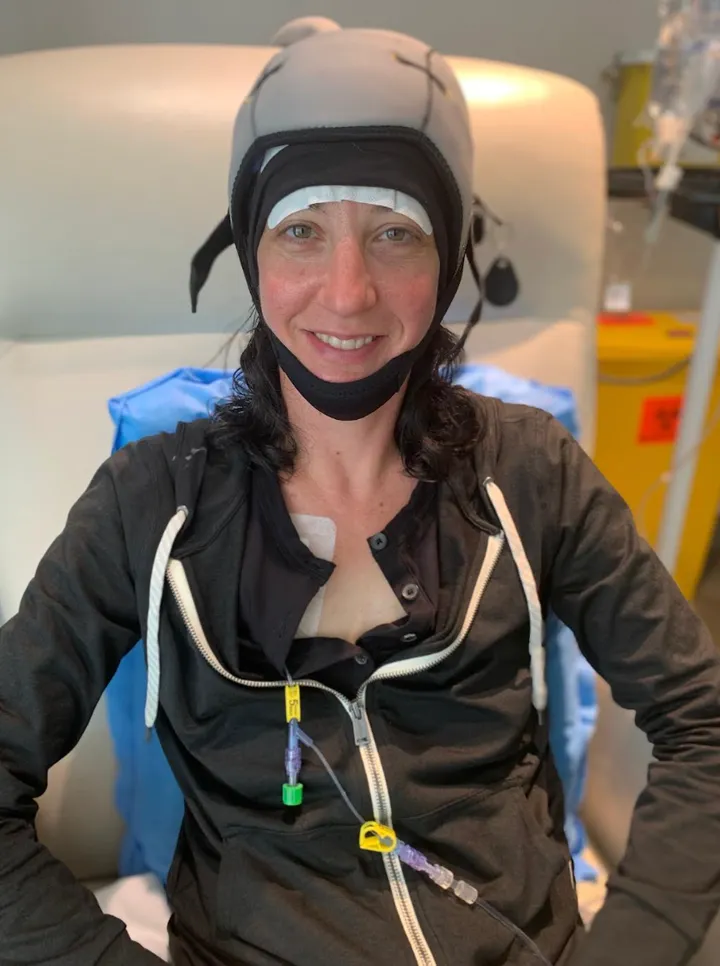
At first, her appearance changed little, except for some weight loss and tired eyes. About 10 days after her first treatment, a severe rash appeared on her face, back, and scalp. She told her children it was from the strong medicine and would go away. Antibiotics, creams, and her daughter's kisses helped it heal.
Next, her hair began to fall out. She used a cooling cap during treatments to try and prevent hair loss, but its success varied. After a few weeks, clumps of hair came out when she combed it. She hid them, not wanting to see what she was losing.
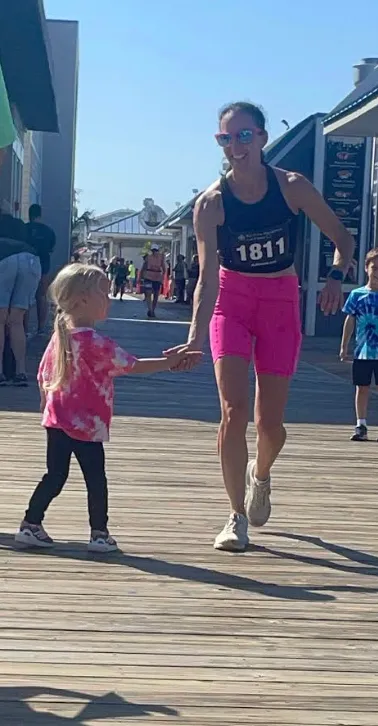
After her second treatment, two large bald spots appeared. She decided to get a wig. Her best friend helped her find a place. She told her daughter, who loved to play with her hair, that Mommy had "boo-boos" on her head. She covered the spots and said her daughter would have to wait to touch her hair. Her daughter wanted to kiss these boo-boos too, and again asked, "Does it feel better, Mommy?"
When the wig arrived, she introduced it to her children as "extensions." Her daughter told her she was beautiful. Even when she lost her eyebrows after the fourth treatment, her daughter continued to tell her she was beautiful.
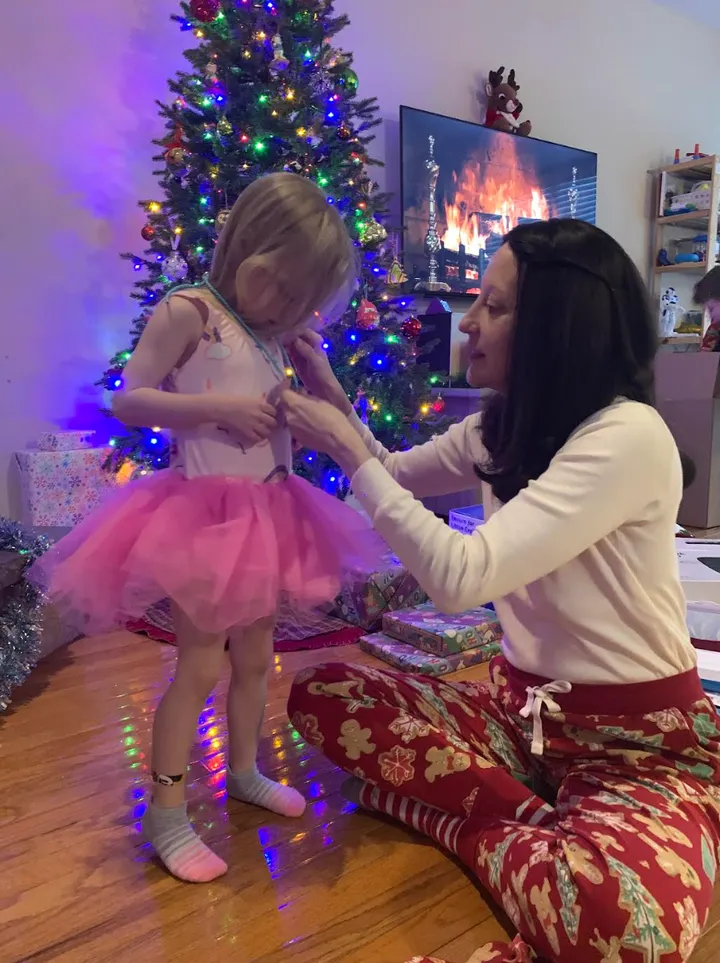
Her daughter had a daily ritual. She would grab her mother's face, put her nose to hers, and say she loved her face, hair, eyes, and heart. She would then kiss her mother's heart, saying it was sparkly, pink, and purple. This acceptance of her physical changes deeply touched the mother.
A Daughter's Unconditional Love
With each treatment, the mother grew more tired. Bags formed under her eyes. The worst exhaustion hit around 7 p.m., her daughter's bedtime. Her husband took over reading stories. The mother would lie on the floor, often dozing. Her daughter would giggle, bring pillows, and curl up next to her.
Her husband started a new routine where the children would put her to sleep after stories. Her daughter would whisper "Goodnight, Mommy" and turn off the light. The mother would close her eyes, but always peek to see her daughter beaming. This ritual eased her fears about her daughter's love changing.
Her daughter saw her mother's love through her smile, laugh, words, and affection. So, to her daughter, her mother was beautiful, no matter the "boo-boos." The mother realized that love is the purest form of beauty.
She is now recovering from a double mastectomy. This is the biggest physical change yet. However, she focuses on what she has gained. Her daughter taught her a valuable lesson about love. It was a real-time example of their mother-daughter bond and a new way to look at parenting.
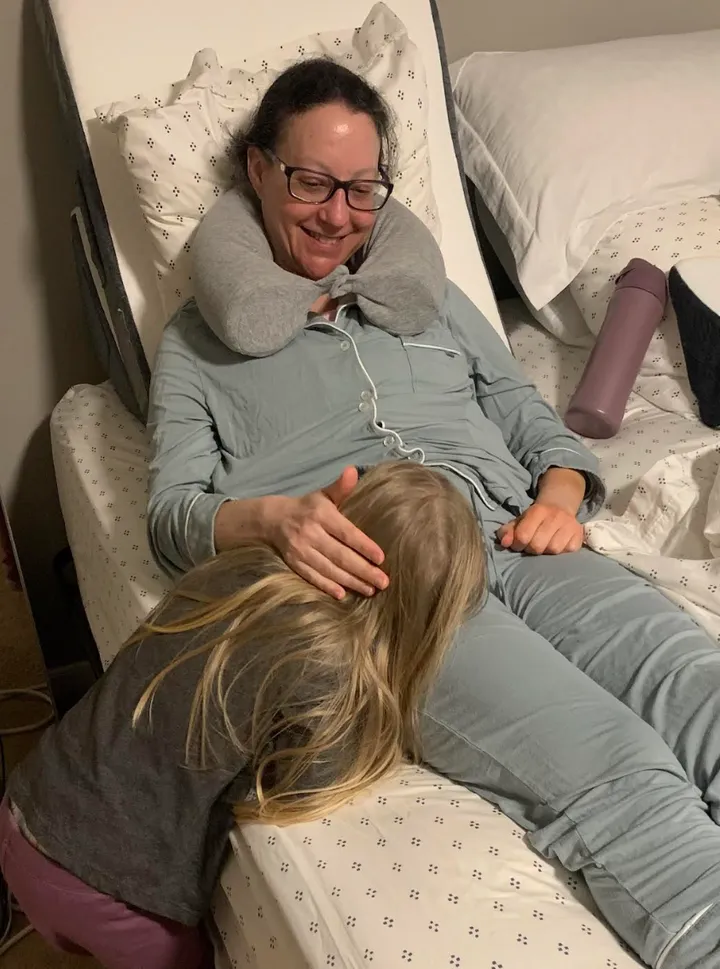
Parenting through cancer was scary, exhausting, and traumatic. But it also felt brave, effortless, and healing. It took courage to show strength, from reassuring smiles to doing school drop-offs while tired. It felt effortless because her love for her children was magnified by the thought of losing it. Being there for them felt like the easiest thing, even during the hardest time.
As she heals, she feels like a new version of herself: softer, stronger, and more present. She believes this new motherhood and self is a wholeness that cancer cannot destroy. While her medical team saved her life, the love from her family, especially her daughter's unconditional affection, changed her life. Her daughter taught her to define beauty by love.