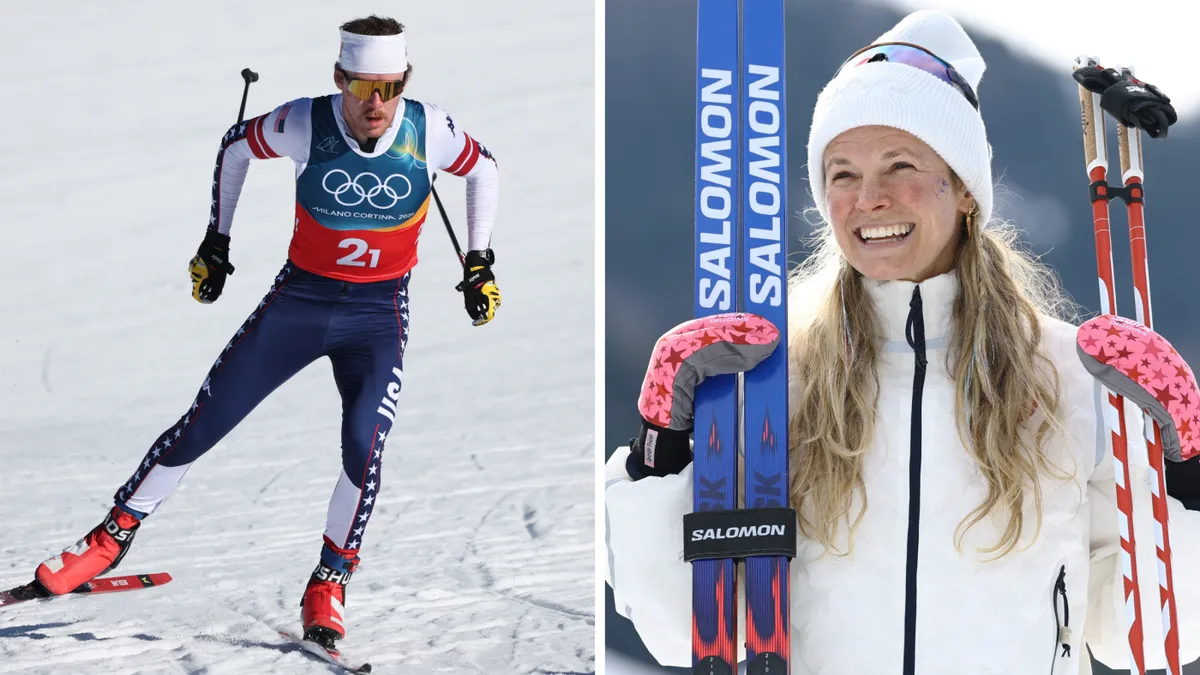
Ben Ogden was supposed to be resting between races at the Winter Olympics. Instead, he was hunched over a pair of needles and yarn, methodically stitching row after row. It sounds like an odd choice for an elite athlete in the middle of competition — but for a growing number of Winter Olympians, knitting has become as essential as ski wax.
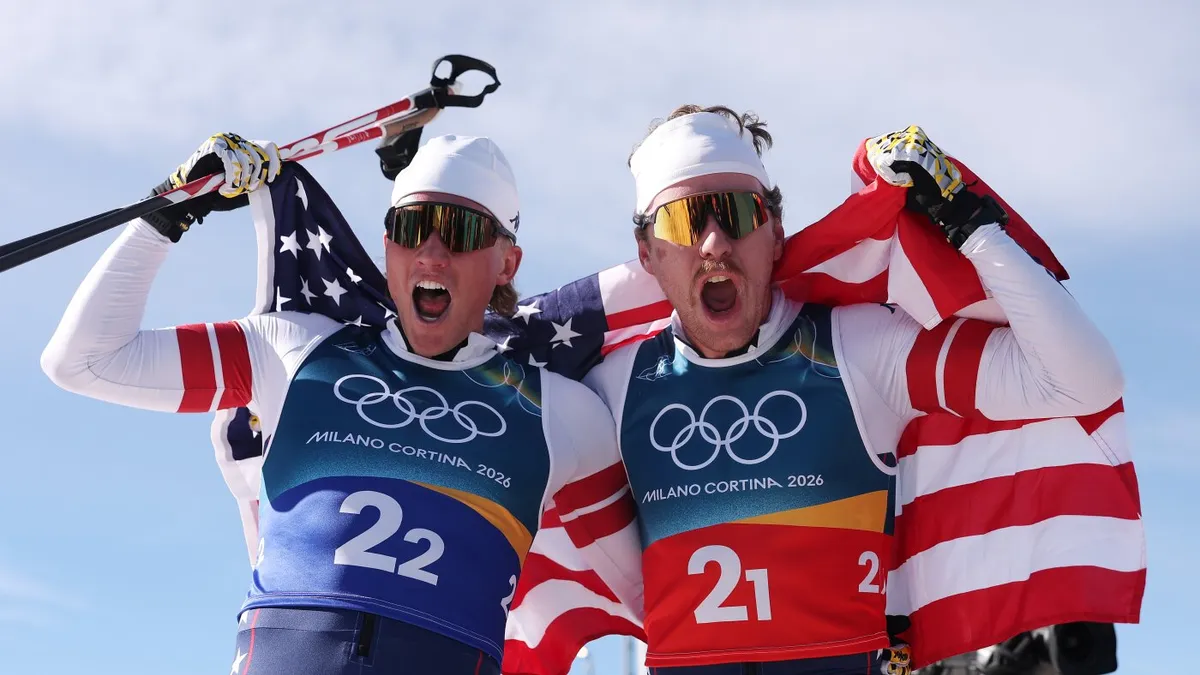
Ogden, a 25-year-old U.S. cross-country skier who just became the first American man to win two Olympic silver medals in the sport since 1976, discovered knitting almost by accident. A teammate, Luci Anderson, challenged him to knit his own sweater instead of buying one. "I wear a lot of logos as part of my job," Ogden explained, "so I was really interested in having some pieces that don't have any logos." He picked up needles and yarn at a store in Switzerland and hasn't put them down since.
What started as a practical project became something deeper: a tool for managing the intensity of elite competition. "We are very busy over here during some points. We also have a lot of downtime," Ogden said. "During that downtime, it's essential that we rest and put our feet up and relax to get the best out of our training and racing sessions. So, for me, knitting is a great way to be completely relaxed and just chilling without just looking at my phone all the time."
We're a new kind of news feed.
Regular news is designed to drain you. We're a non-profit built to restore you. Every story we publish is scored for impact, progress, and hope.
Start Your News DetoxThe appeal runs deeper than distraction. Athletes with intensely focused minds — the kind required to excel at the Olympic level — often struggle with obsessive thinking, especially after a difficult race or training session. Knitting offers a different kind of focus: productive, measurable, and entirely separate from sport. "I think a lot of us have very single-minded sort of brains, and we really tend to fixate on things," Ogden said. "It's great when it comes time to work on your weaknesses and get better, but when you have a bad day, it can be really draining to just be obsessing over it all the time. Having a project that you can obsess over in a really productive way is essential for me."
A Quiet Movement
Ogden isn't alone. Team Finland made knitting part of their Olympic routine at the 2018 Winter Games. British diver Tom Daley went viral at Tokyo 2021 for knitting in the stands. This year, Canadian biathlete Adam Runnalls has built a social media following by posting his knitting projects alongside training content. Within the U.S. ski team, the habit has spread: Jessie Diggins and Julia Kern knit to unwind. Alpine skier Breezy Johnson knits a new headband before every race. Snowboarder Maddie Mastro completed multiple projects during these Games.
What makes this trend meaningful isn't just that it works — it's that it's reshaping how elite athletes think about recovery. "We hang out with the same people and do the same thing all the time, and all of us are really into skiing," Ogden noted. "But it can be tempting just to talk about skiing at dinner, and at breakfast, and at lunch. Having a shared hobby amongst the teammates is a pretty sweet way to have something else to talk about and connect with, and that doesn't cause any stress or anxiety."
The science backs this up. Repetitive, deliberate hand movements like knitting lower blood pressure, reduce depression symptoms, and may even protect aging brains from cognitive decline. For athletes operating at the edge of human performance, that neurological reset matters.
Ogden is already planning his next project: a cable knit sweater to tackle during the World Cup season starting in November. He's careful about one thing, though. "Ideally, we'd keep it as a non-competitive thing," he said. "Sometimes when these hobbies become competitive, that's when it's time to drop it and move on to the next one." For now, knitting remains what it should be — a quiet, unrushed space in an otherwise relentless schedule.