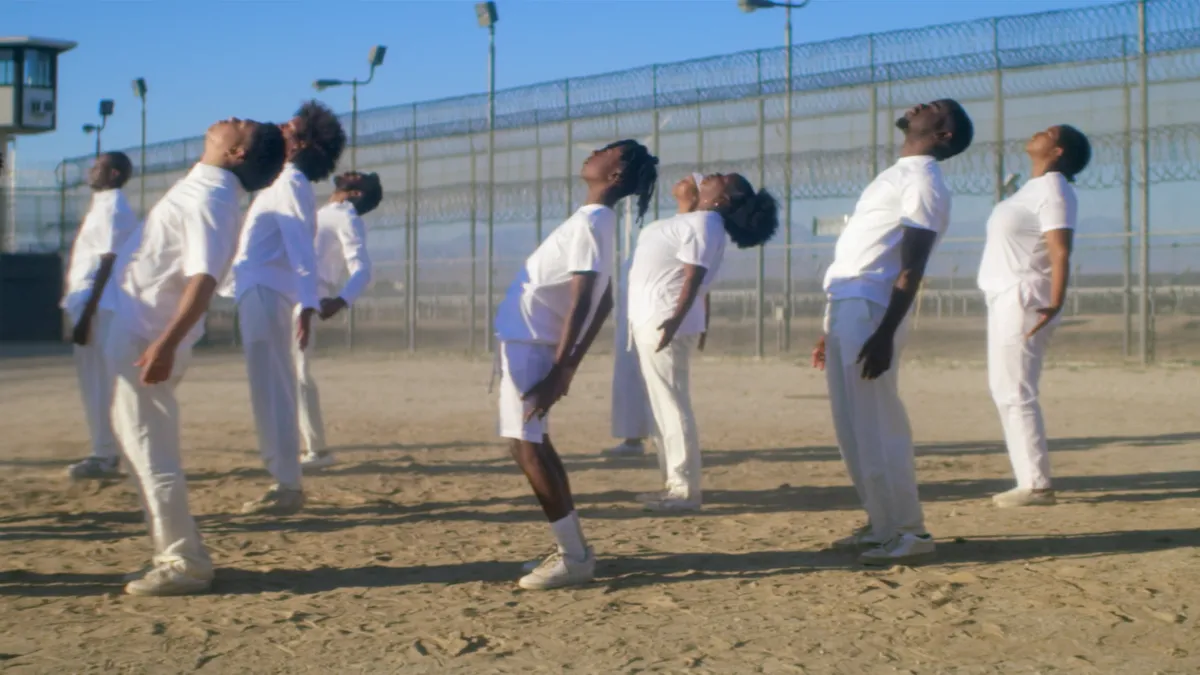
"I'm dangerous," they said. These words came from James Jacobs, known as hip-hop artist JJ'88, as he spoke to his father. His request to reduce his prison sentence had been denied in 2021.
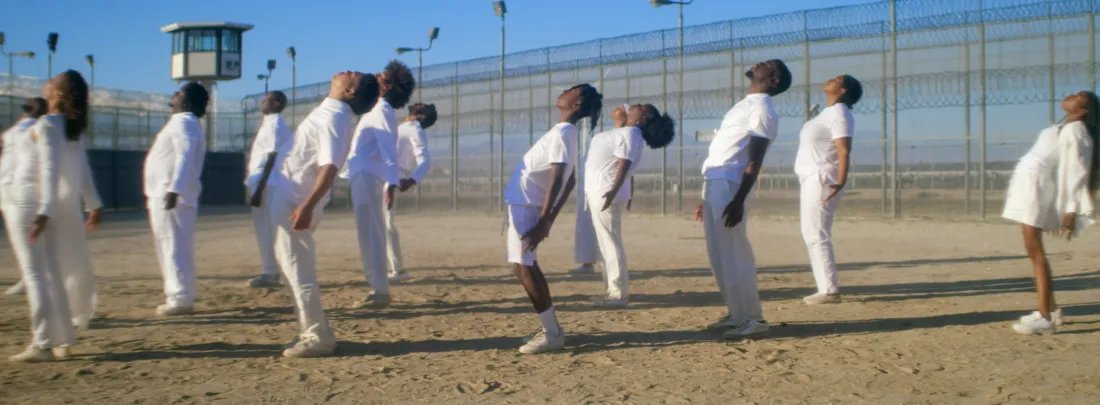
In April 2004, when Jacobs was 15, he shot and killed a 20-year-old at a party in Bellflower, California. By 2021, he had spent more years in prison than outside of it.
"They don't believe me. They don't believe who I am," he told his father. "They said that all the work that I'm doing, my art and my advocacy work... they said that it's not real. They say I am a clear and present threat to the community."
We're a new kind of news feed.
Regular news is designed to drain you. We're a non-profit built to restore you. Every story we publish is scored for impact, progress, and hope.
Start Your News Detox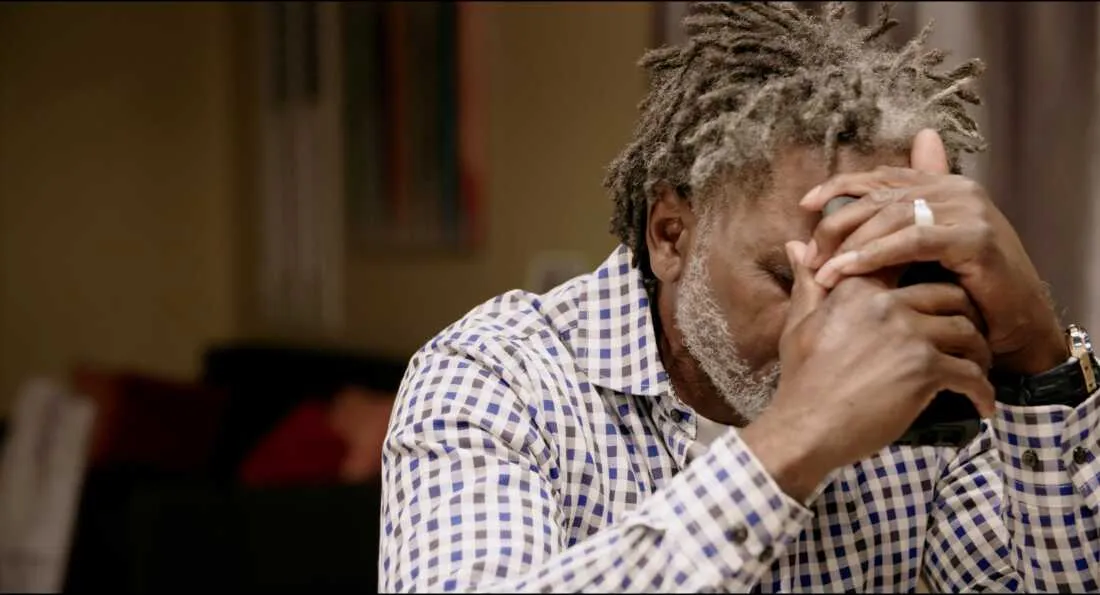
As his father tried to comfort him, an automated voice interrupted, "You have 60 seconds remaining."
The Birth of Songs from the Hole
Filmmaker Contessa Gayles was with Jacobs' father during that call. She hesitated to ask Jacobs if he wanted to continue their film project. Jacobs, however, wanted to keep going.
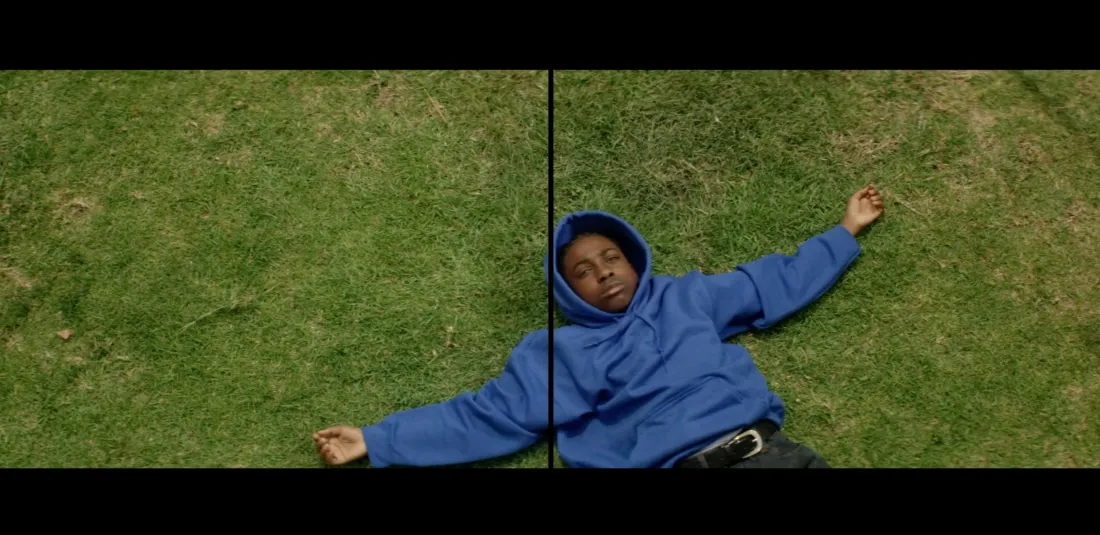
"I've seen hard moments in film before, I've seen hard moments talked about in music — really hard moments — and this was one of the hardest moments in my life," Jacobs said. He found comfort in stories like Shakespeare's Titus Andronicus, realizing that not all art needs a happy ending.
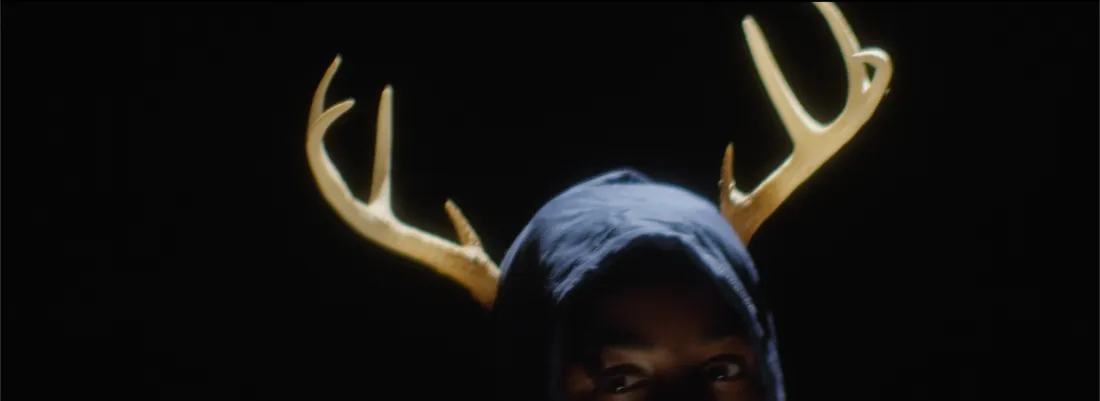
Caption: Actor Myles Lassiter, as "kid James," wears antlers in Songs from the Hole. Jacobs says it's the image he's asked about most often. "These antlers, along with being [for the song] 'Most Hunted,' are very gun-hunting, violent-culture — the experience, as a Black man, was that [Black men] were being hunted like deer, like buck in this country. And early references of Black men in this country — we were called Bucks. And so I thought — we [Jacobs and Gayles] thought — it was fitting ... that this character represented the coming-of-age through antlers and the symbolism of being hunted with antlers on his head." Courtesy of Netflix
Songs from the Hole tells Jacobs' story. It shows his journey of growing up in California's prison system, finding healing, and thinking about forgiveness. Gayles met Jacobs in 2017 while on assignment for CNN at Soledad State Prison. Jacobs and his producer, Richie Reseda, then approached her with an idea: to direct a visual album Jacobs had written while in solitary confinement. This came at a time when Gayles was ready to pursue independent filmmaking.
Caption: Gayles says she was inspired, during the making of Songs from the Hole, by the 2014 film Boyhood. "I was just thinking about representations that we have of white childhood and the plethora that exists of those depictions, and that often, with storytelling around Black people — Black young people — it's very limited in scope. And so I was just meditating on, '[Richard] Linklater spent 12 years making [Boyhood] about white childhood,' and I was just saying in my head, 'we deserve to have as much space to be as indulgent and wide-ranging with how we tell the stories of Black childhood.'" Courtesy of Netflix
A Story of Redemption and Reflection
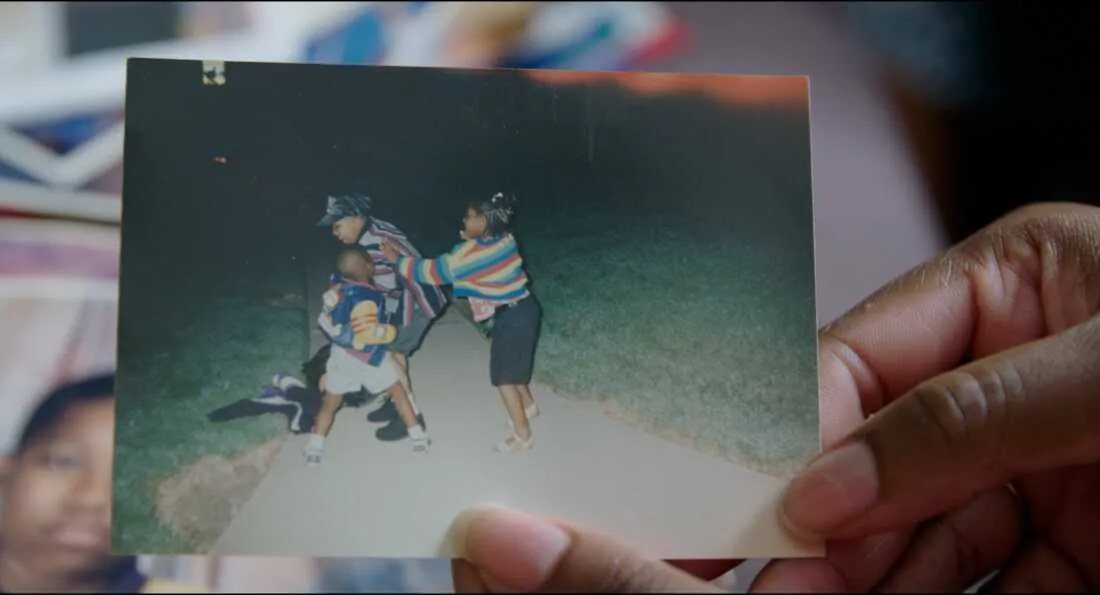
The visual album quickly became a documentary, inspired by Beyoncé's Lemonade. While Beyoncé used poetic interludes, Songs from the Hole uses Jacobs' story to show how his music offers spiritual freedom. Ironically, this same art was cited by officials as a reason to deny him parole.
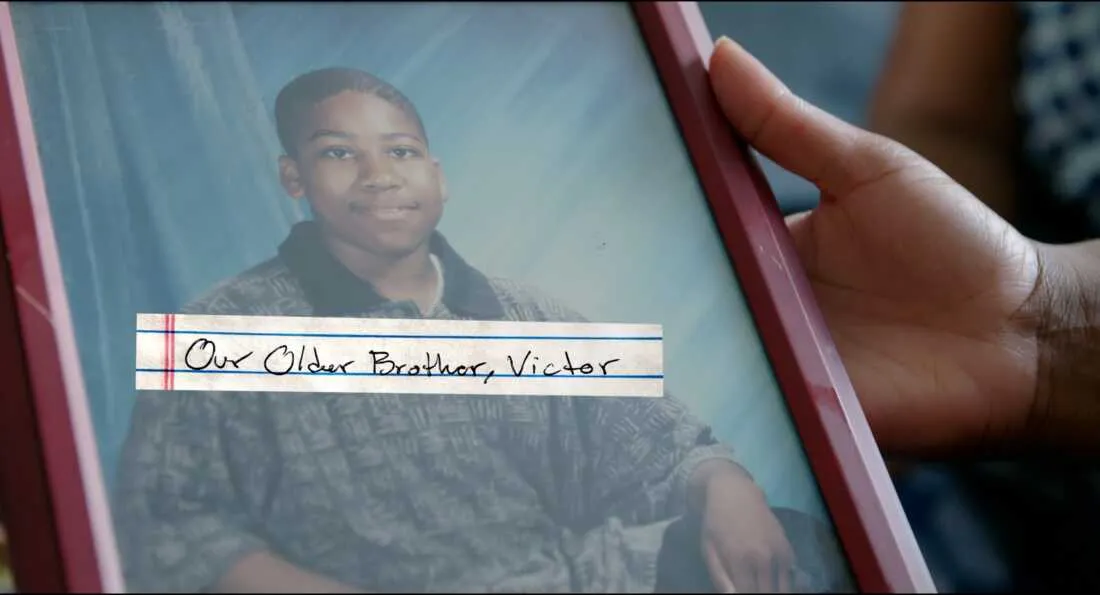
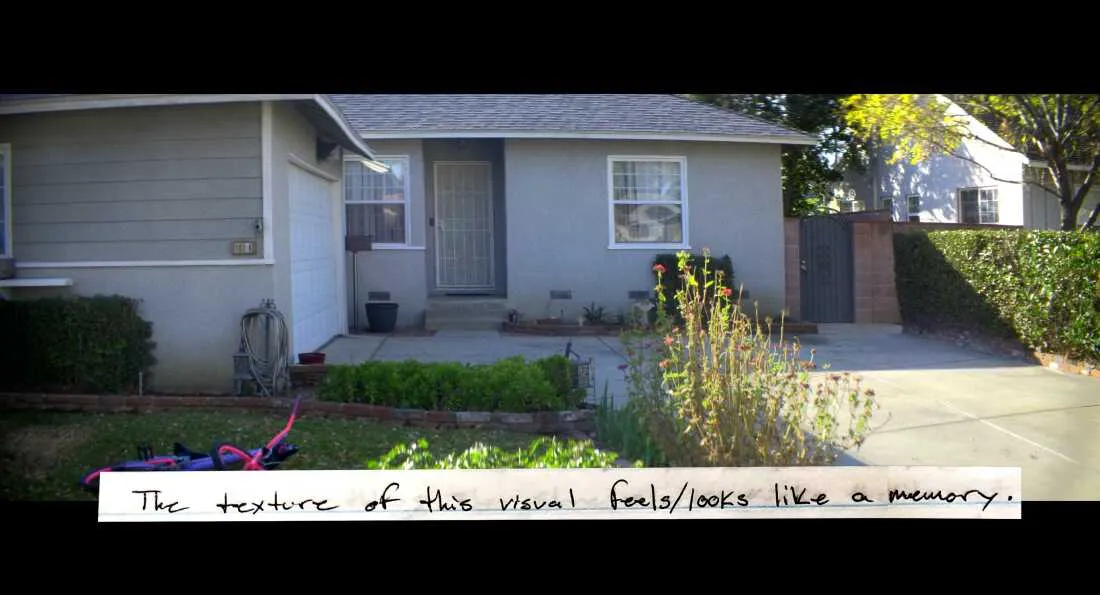
The film uses Jacobs' letters and recorded phone calls. Through these, he, Gayles, and Reseda discuss the album's creation. The letters contain scripts, shot lists, and lyrics. In the calls, Jacobs narrates his life and explains the meaning behind the images he imagined in solitary. The film explores themes like Black boyhood, family, growing up in the church, crime, forgiveness, and redemption.
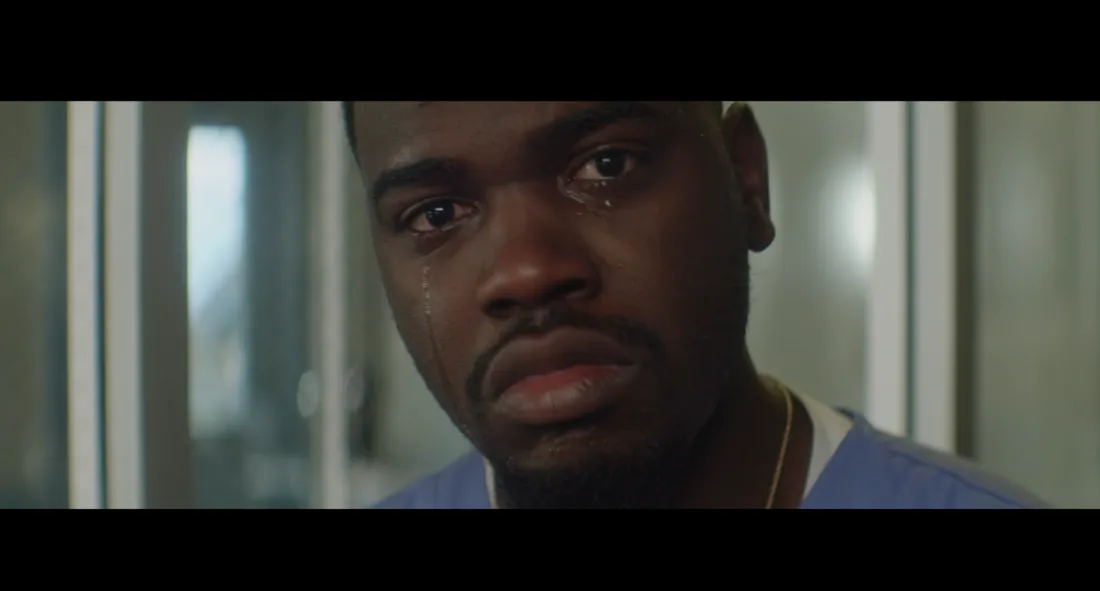
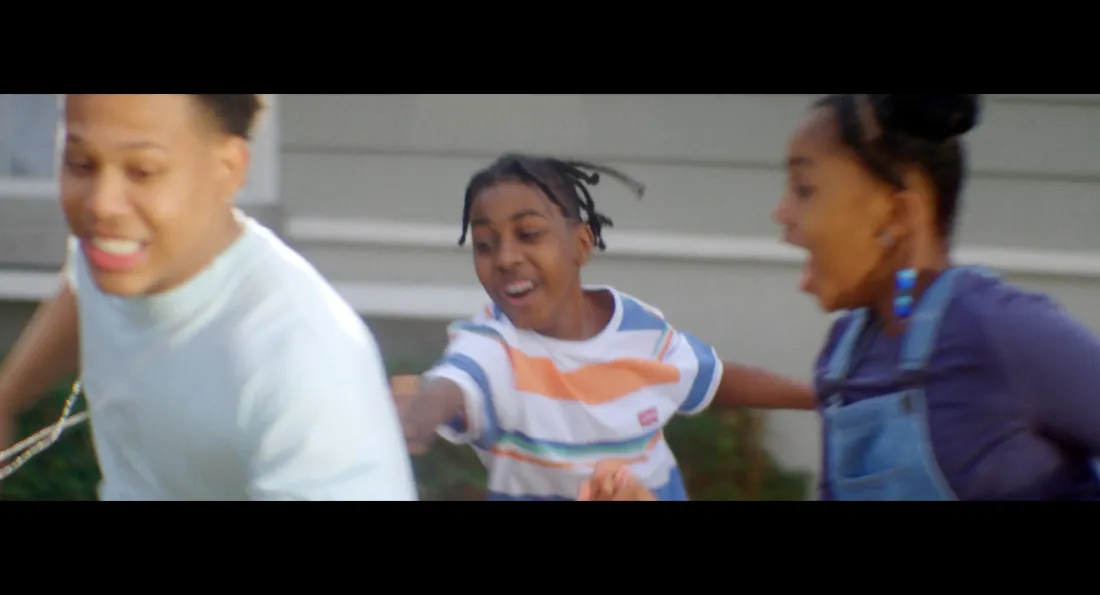
Caption: Actors reenact a memory from Jacobs' childhood in Songs from the Hole. In the film, Jacobs says, "Memories are crucial in maintaining your sanity in prison. I remember — maybe accurately or inaccurately — but I remember things from my childhood and relive them, sitting on that bunk, and it reminds me that I was a person and I am a person before being incarcerated." Courtesy of Netflix