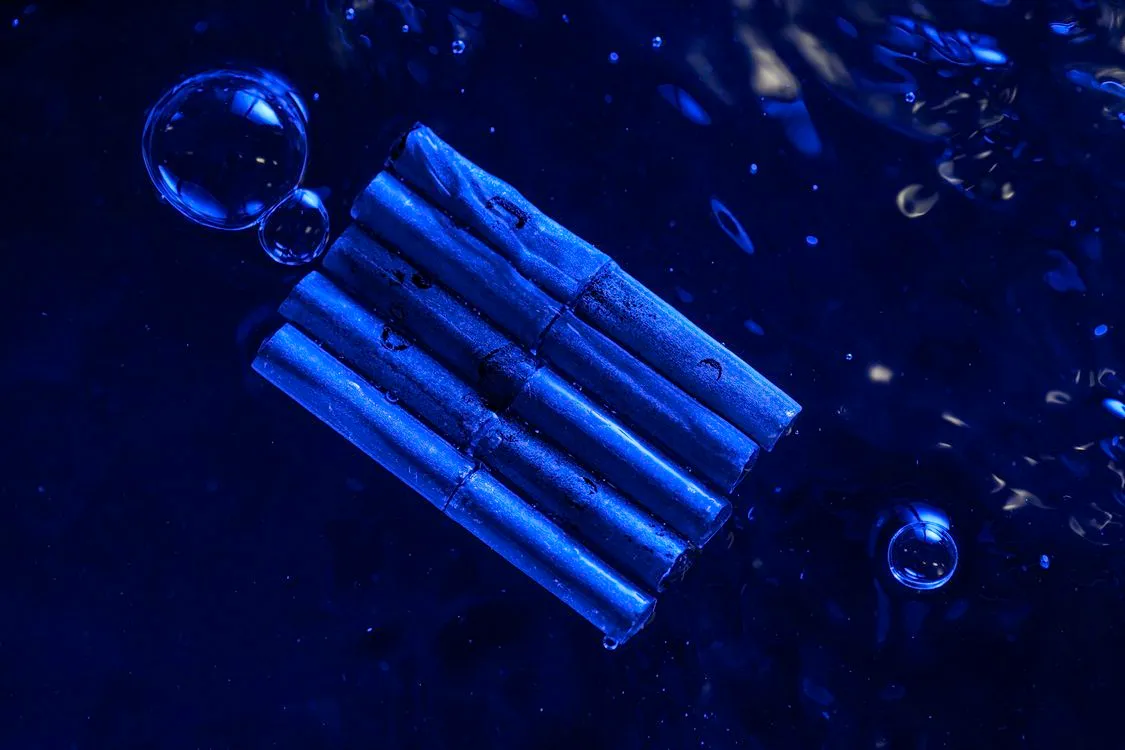
A team at the University of Rochester has engineered aluminum tubes that refuse to sink, even when heavily damaged. The trick: microscopic surface pits that trap air the same way a diving bell spider does when hunting underwater.
Researchers etched tiny grooves into standard aluminum tubes, creating what's called a superhydrophobic surface—one that repels water so effectively that air gets trapped inside. When the tube hits water, that trapped bubble keeps it buoyant. Push it down, punch holes in it, leave it submerged for weeks: it floats anyway.
"When the treated tube enters water, the superhydrophobic surface traps a stable bubble of air inside the tube, which prevents the tube from getting waterlogged and sinking," explains Chunlei Guo, who led the research published in Advanced Functional Materials. His team even added an internal divider so the air pocket stays trapped even if you force the tube straight down into the water.
We're a new kind of news feed.
Regular news is designed to drain you. We're a non-profit built to restore you. Every story we publish is scored for impact, progress, and hope.
Start Your News DetoxThis isn't the first time Guo's lab has created superhydrophobic floats. They demonstrated the concept in 2019 with disk-shaped devices, but those had a problem: tip them at extreme angles and they'd lose buoyancy. The new tube design fixes that. Tested in rough conditions for weeks at a time, the tubes showed no loss of floating ability—and survived being punched full of holes without sinking.
The real potential lies in scaling up. Link multiple tubes together and you get a raft. Scale that further and you're looking at the foundation for ships, buoys, or the floating moorings that hold offshore wind turbines in place. The mechanism mirrors nature's own solutions: how diving bell spiders stay buoyant underwater, or how fire ants link their hydrophobic bodies into floating rafts during floods.
It's been 113 years since the Titanic went down. We're still chasing unsinkable ships—and this time, the answer comes from watching spiders.