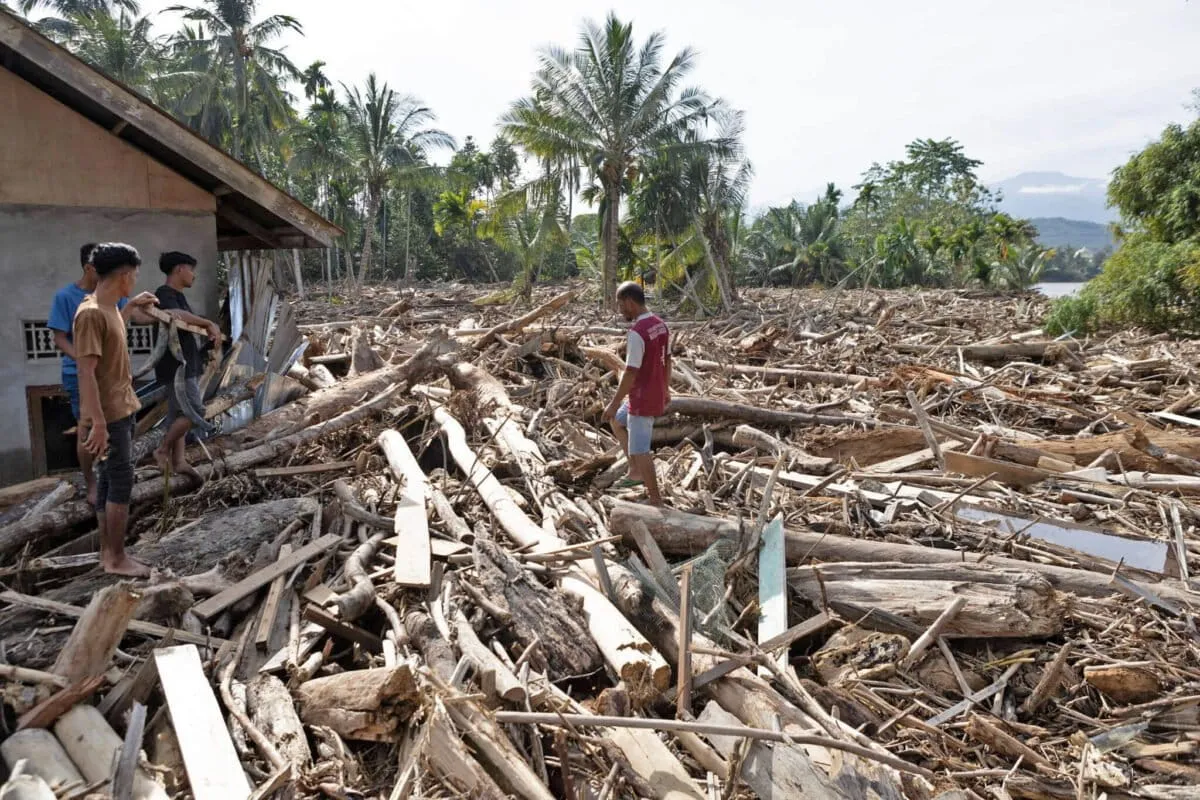
More than 1,100 people died when Tropical Cyclone Senyar triggered catastrophic floods and landslides across Sumatra last month. The Indonesian government's response signals a fundamental shift: they're not treating this as a weather disaster alone.
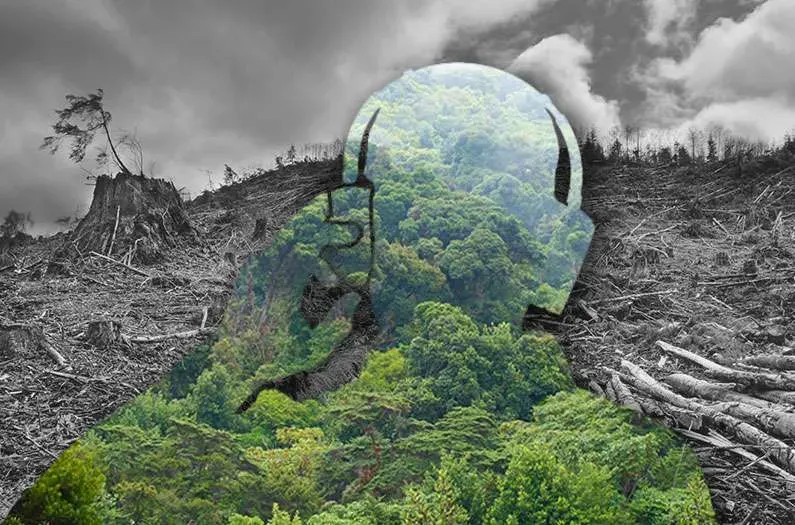
Instead, officials and scientists are pointing to the real culprit — decades of deforestation and forest conversion that stripped away the landscape's natural ability to absorb intense rainfall. When the cyclone hit, the weakened watersheds couldn't hold back the water.
Environment Minister Hanif Faisol Nurofiq was blunt about it: "These changes are caused both by anthropogenic factors — such as the conversion of forest cover into non-forest areas — and by heavy rainfall, combined with the geomorphological characteristics of our soils, which are unable to adapt to these pressures."
We're a new kind of news feed.
Regular news is designed to drain you. We're a non-profit built to restore you. Every story we publish is scored for impact, progress, and hope.
Start Your News DetoxWhat matters here is what comes next. The government has announced a sweeping, science-based audit of environmental governance, zoning decisions, and corporate accountability across Aceh, North Sumatra, and West Sumatra — the three hardest-hit provinces. This isn't rhetorical. Officials are signaling that corporate permits and licenses will no longer serve as shields from responsibility.
Why this matters
For years, Indonesia's environmental policy has treated natural disasters as separate from land-use decisions. A company could clear forest, get regulatory approval, and face no accountability when that decision amplified a flood's impact. The Senyar disaster has cracked that separation.
By explicitly linking deaths and destruction to development choices, the government is creating political space for stricter oversight. Permits still matter — but now they come with liability. That changes the calculus for investors and operators who've treated Sumatra's forests as disposable.
The audit will likely expose years of decisions that prioritized short-term extraction over watershed protection. Those findings could reshape how Indonesia approaches land-use planning across the archipelago, not just Sumatra.
This won't undo what happened. But it signals that the next cyclone won't be met with the same regulatory passivity.