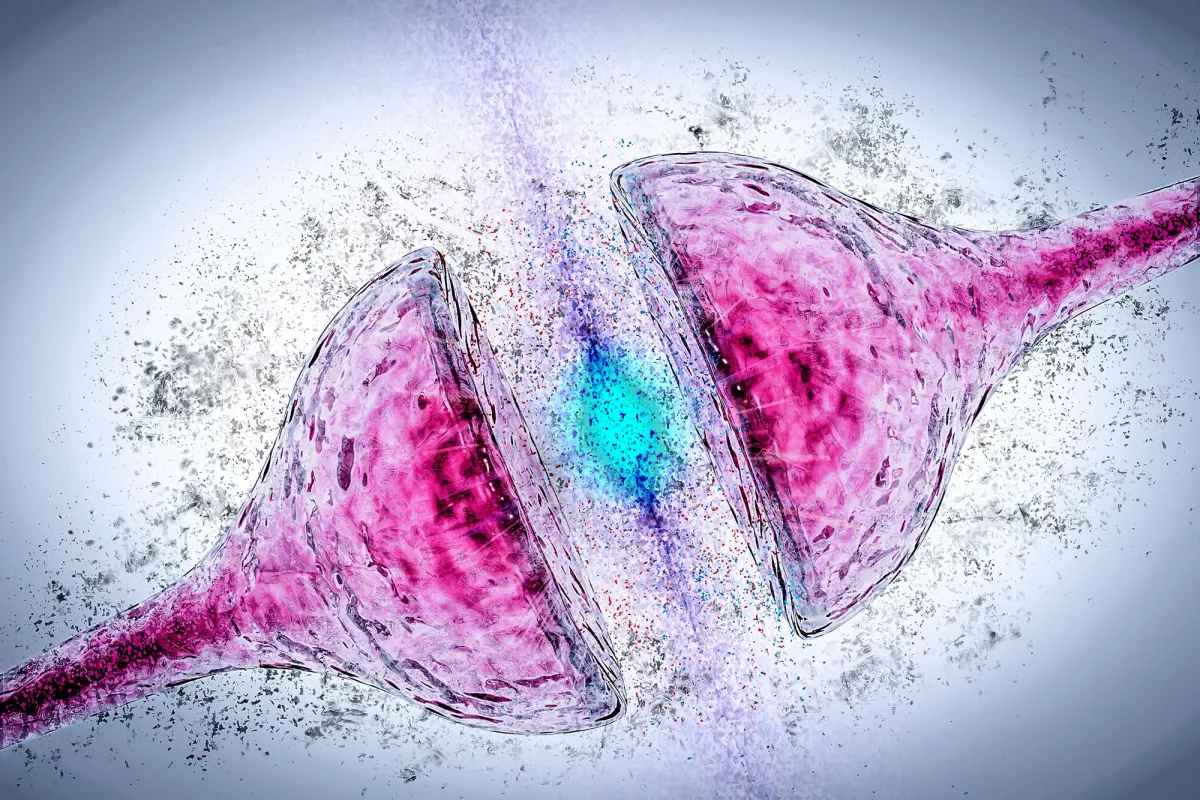
In January 2026, a fire at a Swiss ski resort killed 40 people and left 119 injured. Among them, between 80 and 100 survivors faced the long, painful road of severe burn recovery — many with injuries covering more than 60% of their bodies.
At University Hospital Zurich, 13 of these patients are now receiving a treatment that seemed like science fiction just years ago: skin grafts grown entirely from their own cells in a laboratory.
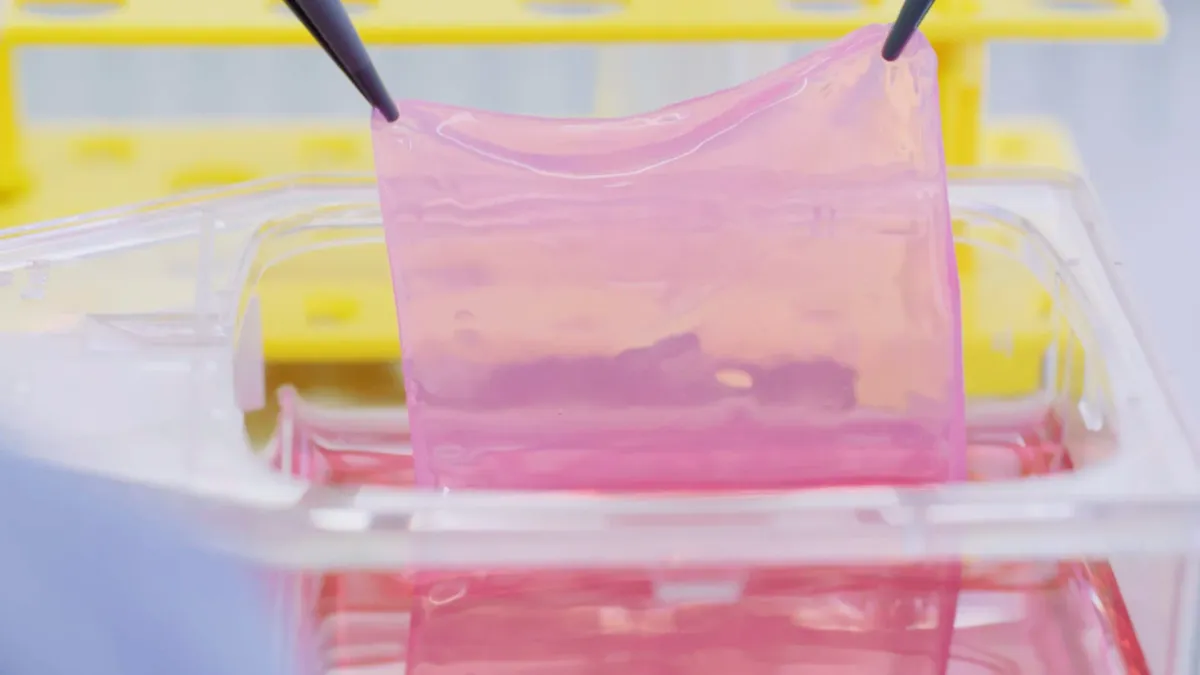
The technology, called denovoSkin, starts with something remarkably small — a skin biopsy the size of a postage stamp taken from the patient. Over four weeks, scientists at the lab-grown skin company Cutiss cultivate that tiny sample into several grafts, each up to 50 square centimeters. The result is living, elastic tissue that can grow with the patient's body as they heal.
We're a new kind of news feed.
Regular news is designed to drain you. We're a non-profit built to restore you. Every story we publish is scored for impact, progress, and hope.
Start Your News Detox"We developed a living human skin tissue graft that is cultivated in the laboratory from a small skin biopsy," explains Daniela Marino, CEO of Cutiss and one of the researchers who spent decades developing this approach at the University of Zurich.
Why does this matter so much? Traditional burn treatment relies on split-thickness grafts — thin layers of donated skin that can feel stiff and scar visibly. DenovoSkin works differently. Because it's made entirely from the patient's own cells, their immune system won't reject it. The grafts integrate more naturally, scar tissue is less visible, and the skin retains its elasticity. For someone recovering from catastrophic burns, that difference means better function and fewer complications down the line.
The clinical evidence is building. Long-term data from both burn and reconstructive surgery patients shows the grafts safely close wounds while preserving healthy skin and improving scar quality compared to standard treatment. Right now, the technology is in late-stage development — a Phase 3 trial launched in spring 2025 across 20 burn centers in Europe and Switzerland, enrolling adult and adolescent patients.
Full regulatory approval in different countries still lies ahead. But for the Crans-Montana survivors being treated right now, denovoSkin represents something concrete: a way forward that their own bodies can recognize and heal with.