A five-storey car park in Lund, Sweden now stands as a working answer to one of renewable energy's trickiest problems: what do you do with old wind turbine blades once they've stopped spinning.
The Niels Bohr car park, which opened in the city's Brunnshög district, uses 57 decommissioned rotor blades as curtain walls — the non-load-bearing panels that form much of the building's outer skin. Those blades came from Denmark's Nørre Økse Sø wind farm, operated by energy company Vattenfall, and would otherwise have faced an uncertain future. In many countries, old blades still end up buried in landfills because they're made from composite materials like glass and carbon fiber that are notoriously difficult to break down.
From Waste to Façade
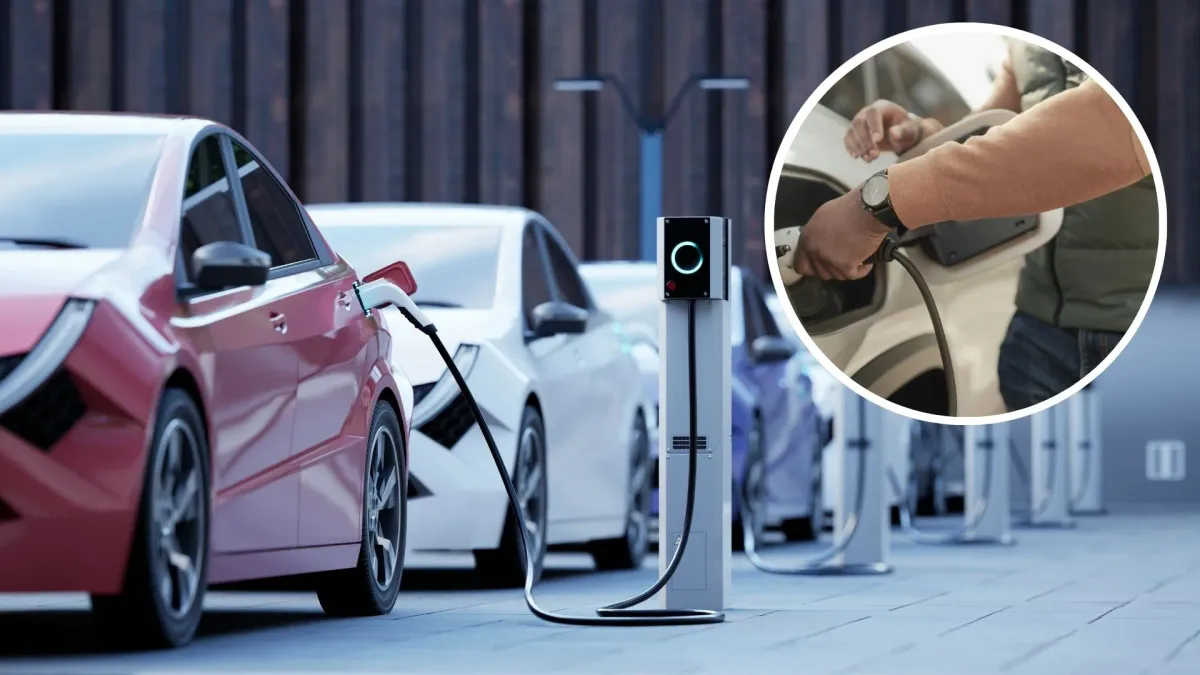
Architect Jonas Lloyd saw the blades differently. Instead of treating them as a disposal problem, he proposed using them as architectural elements. The result is a building that holds 365 parking spaces across five floors, including 40 electric vehicle charging points, plus a storage battery system for overnight charging. The design didn't stop at the blades — the façade also incorporates pollinator-friendly plants, and the roof is covered with solar panels connected to that same battery system.
We're a new kind of news feed.
Regular news is designed to drain you. We're a non-profit built to restore you. Every story we publish is scored for impact, progress, and hope.
Start Your News Detox"Above all, I am pleased that we are promoting sustainability and that the building has become a symbol of sustainability," Lloyd said. "It should serve as an eye-opener."
For Vattenfall, one of Europe's largest wind developers, the project offers something harder to find than good intentions: concrete proof that circular solutions work at scale without compromising cost, schedule, or safety. The company has already committed to recycling 100 percent of its blades by 2030 and has begun repurposing used ones into insulation materials, solar panel frames, and even skis.
Lunds kommunala parkeringsbolag (LKP), the municipal parking company that owns the facility, manages around 28,000 spaces across the city. The company hasn't ruled out incorporating more donated blades into future projects. In fact, it's launched a competition inviting people to suggest other uses for the blades — with a month's free parking as the prize.
The car park stands as a visible reminder that the transition to renewable energy doesn't have to create new waste problems. It just requires someone willing to see old turbine blades not as a disposal headache, but as building material waiting to be reimagined.