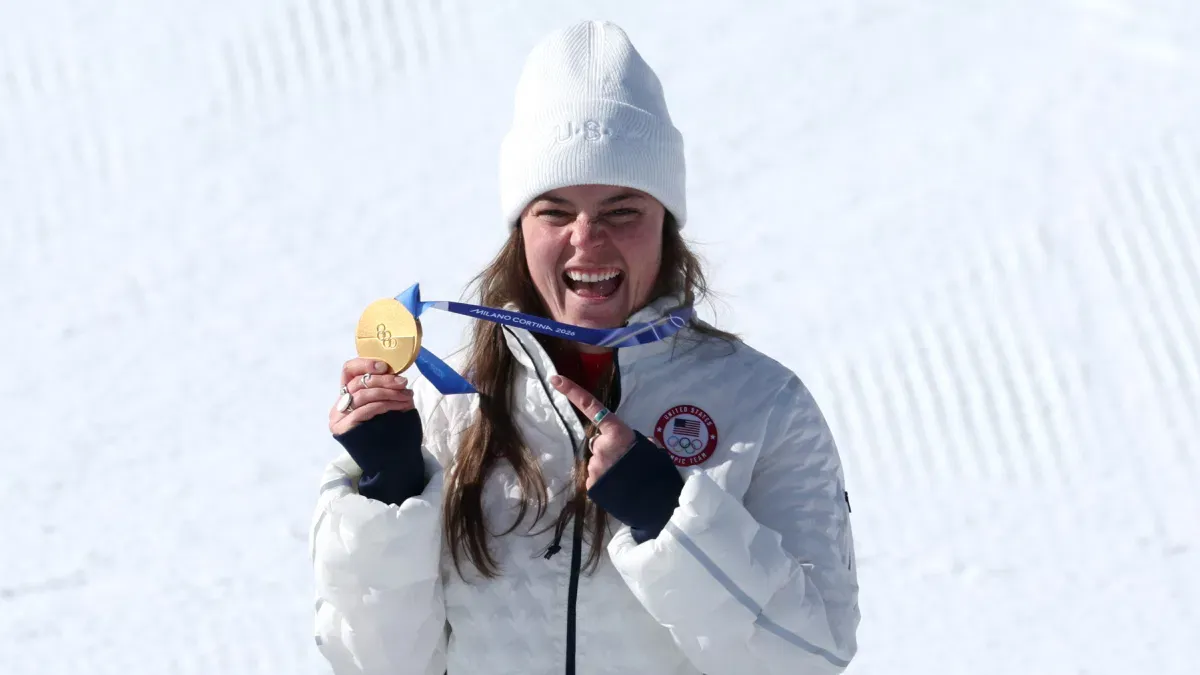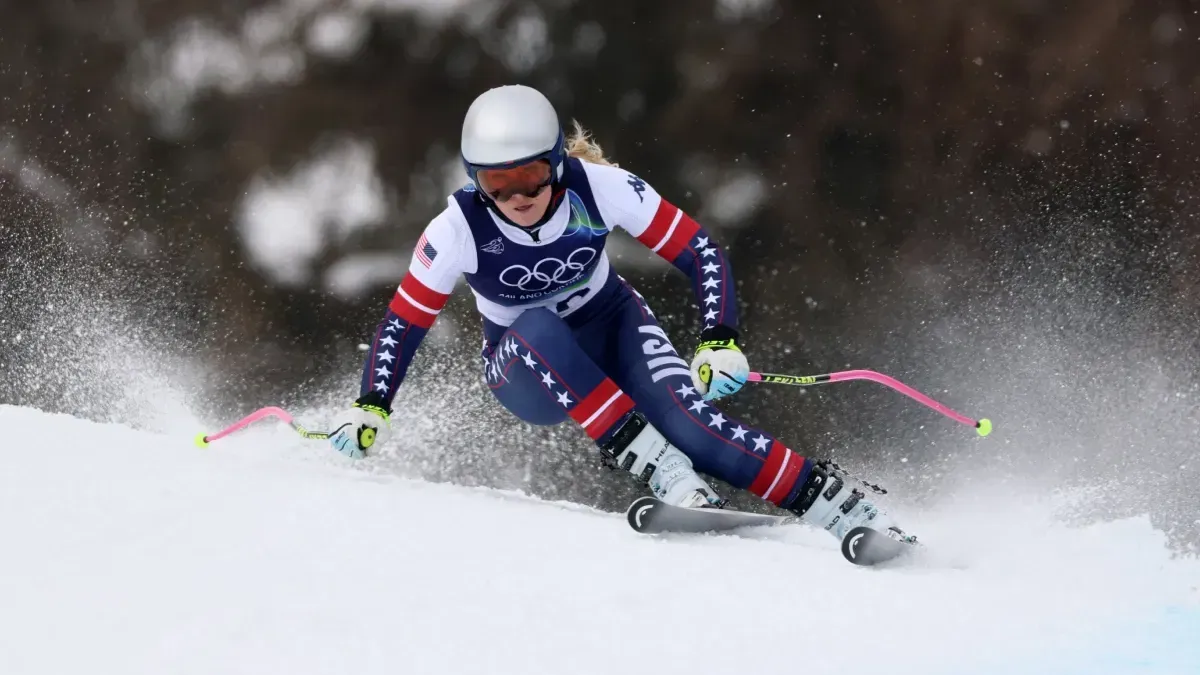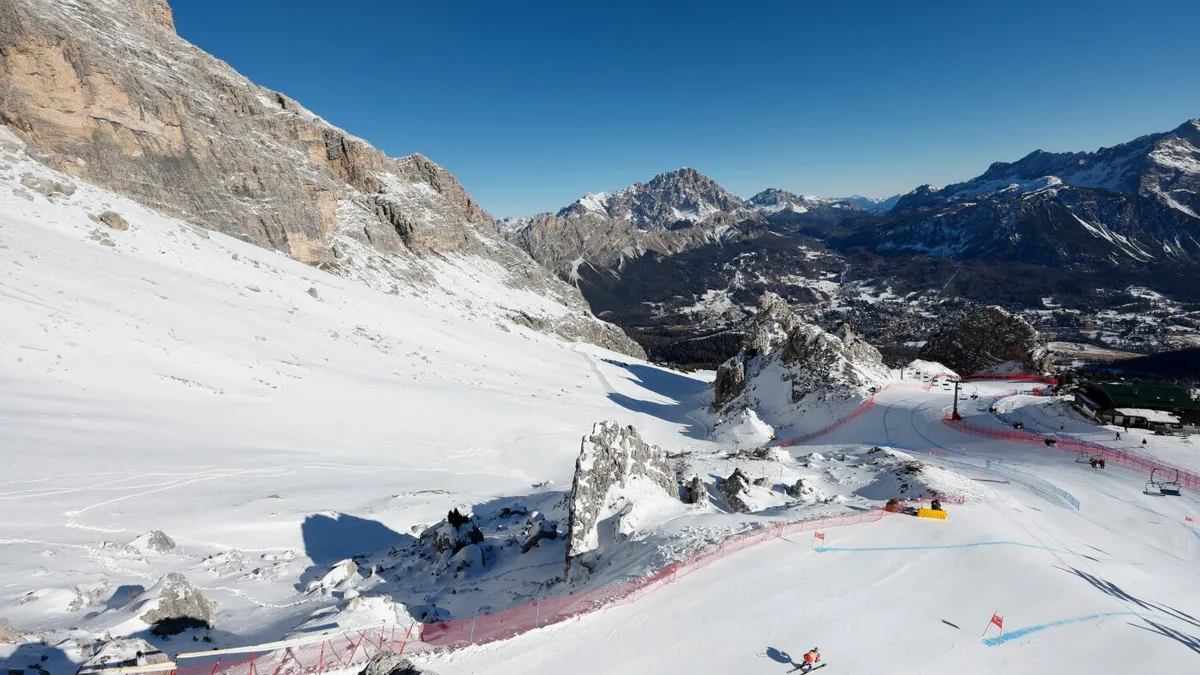
The athletes started arriving this week in northern Italy, and they're scattered across four distinct Olympic villages—each with its own character. Curlers in the Dolomite peaks. Snowboarders near the Swiss border. Figure skaters and hockey players in Milan's urban sprawl. For many, it's the first time they're seeing the actual place they'll compete.
Cory Thiesse, a curler from Minnesota, opened her door in Cortina d'Ampezzo that first morning and found herself surrounded by mountains. "We are really in the middle of the mountains living," she said. Her mixed doubles partner Korey Dropkin described the ski resort town as "picturesque no matter where you are or where you go." It's the kind of detail that matters when you're about to perform at the highest level—your surroundings shape how you feel.
About an hour away, in Livigno near the Swiss border, the snowboarders have made a discovery that's become the unofficial story of arrival week: the pizza. Lily Dhawornvej from Colorado reported eating seven slices in a single night. "That's all I've been eating," she admitted. Her teammate Hahna Norman has been "smashing pizzas" with Austrian two-time Olympic champion Anna Gasser after practice, playing cards in the food hall and loading up on carbs. Fellow snowboarder Jess Perlmutter from New Jersey branched out—best pasta she's ever had, gelato the night before, and surprisingly solid gluten-free options throughout the village.
We're a new kind of news feed.
Regular news is designed to drain you. We're a non-profit built to restore you. Every story we publish is scored for impact, progress, and hope.
Start Your News DetoxMillo Moravski/Agence Zoom/Getty Images Europe
In Milan, the experience is different. Ilia Malinin, a first-time Olympian from Virginia, was struck by the sheer density of it—walking into the cafeteria and seeing "so many team jackets," athletes from completely different sports in the same room. It's one thing to know intellectually that the Olympics exist; it's another to be surrounded by hundreds of people who've trained their entire lives for the same two weeks.
Madison Chock, an ice dancer from California, found unexpected comfort in the details. The athlete lounge was designed like a greenhouse—a place to sit with calming music playing, and they let you take a plant back to your room to care for. Small things. But when you're away from home and about to perform under pressure, small things matter.
The villages open a window into how athletes prepare mentally as much as physically. They're eating, resting, connecting with teammates and competitors from other countries. They're adjusting to the time zone, the altitude, the specific feel of a place. In two weeks, they'll compete. For now, they're settling in—and discovering that Italy's food culture is a pretty good way to start.