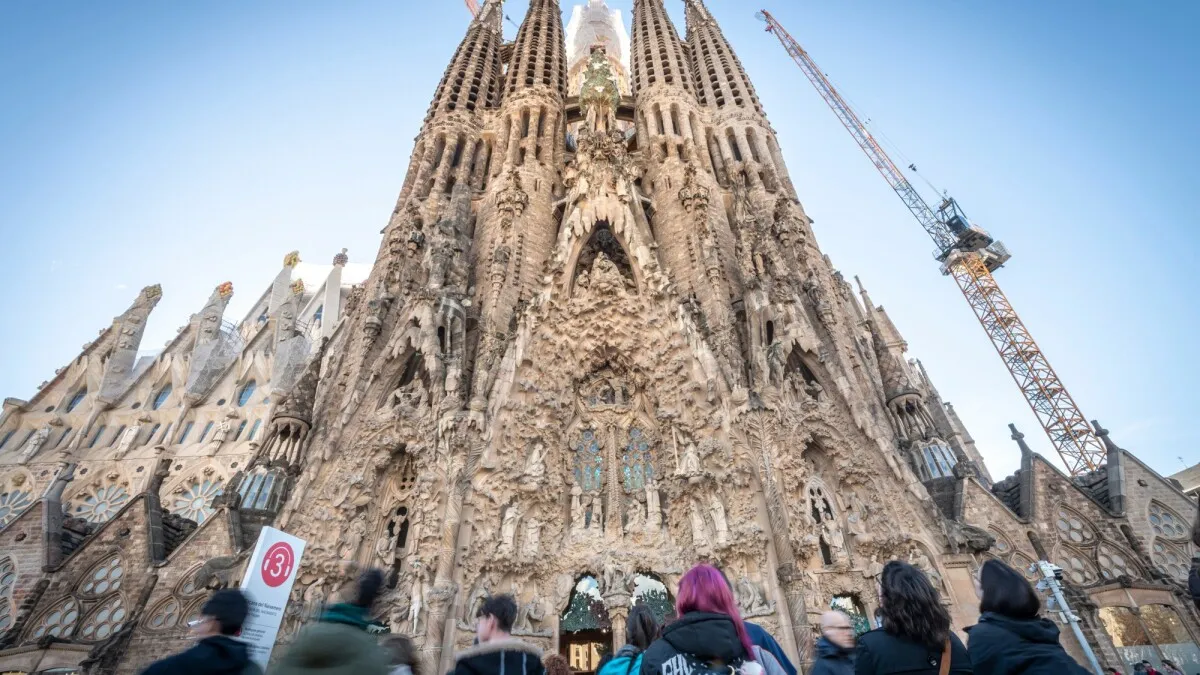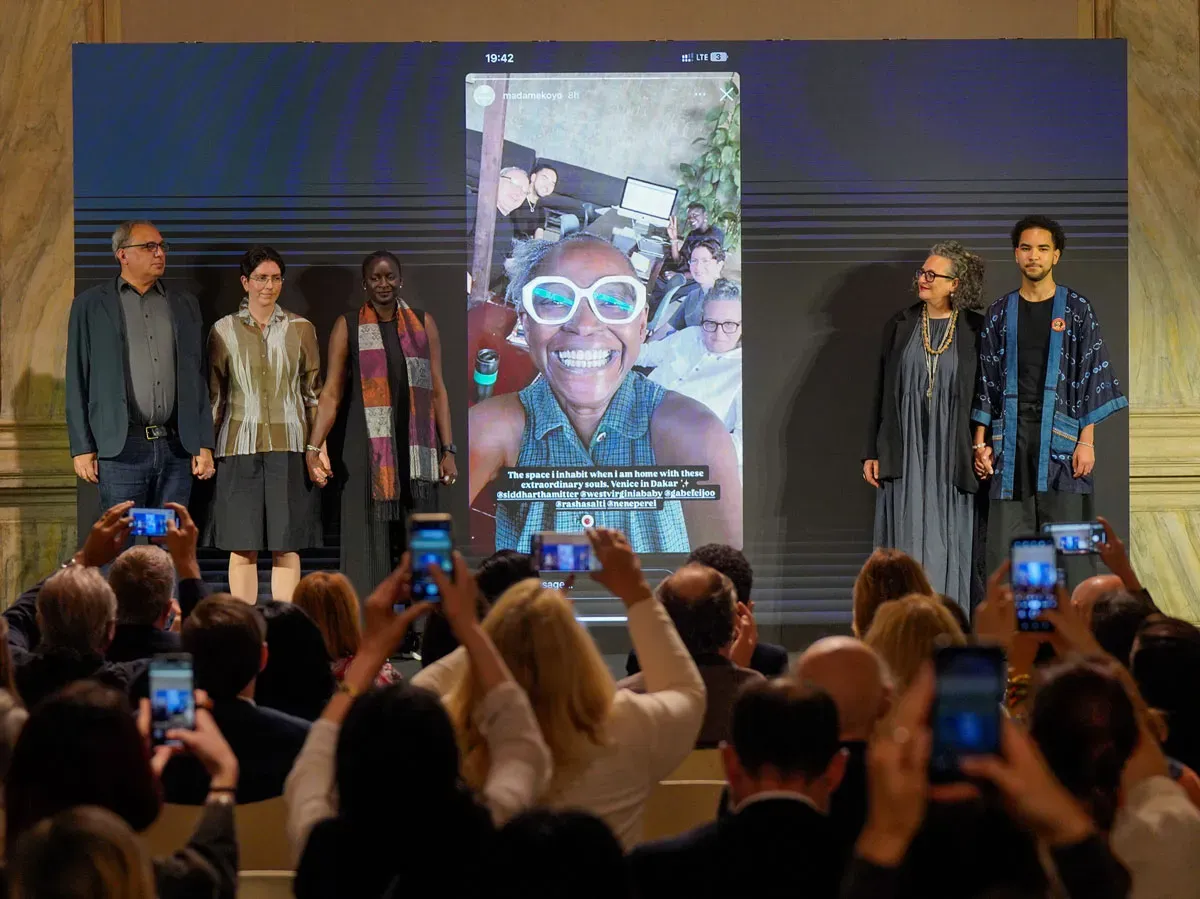
Koyo Kouoh died in May 2025, just before she could unveil her vision for the 2026 Venice Biennale. She never got to see it happen. But the Teiger Foundation just committed $750,000 to make sure her curatorial voice — and the artists she championed — still get their moment on one of the world's largest art stages.
The gift splits into two parts: $500,000 goes directly to the Biennale's production, while $250,000 supports artists creating new work in Venice and traveling there to show it. It's a particular kind of generosity — not just funding the exhibition, but funding the people who make it.
Kouoh, who was executive director and chief curator at Zeitz MOCAA in Cape Town, had shaped her career around a philosophy that sounds simple but runs counter to how the art world often operates: "People are more important than things." She believed artists should lead, that collaboration mattered more than speed, that the networks and kinships between creators — global and local — were what made work meaningful.
We're a new kind of news feed.
Regular news is designed to drain you. We're a non-profit built to restore you. Every story we publish is scored for impact, progress, and hope.
Start Your News DetoxThe 2026 Biennale, titled "In Minor Keys," is being realized by a five-person team that includes advisers Gabe Beckhurst Feijoo, Marie Hélène Pereira, and Rasha Salti, along with researcher Rory Tsapayi and editor-in-chief Siddhartha Mitter. They're carrying forward what Kouoh started.
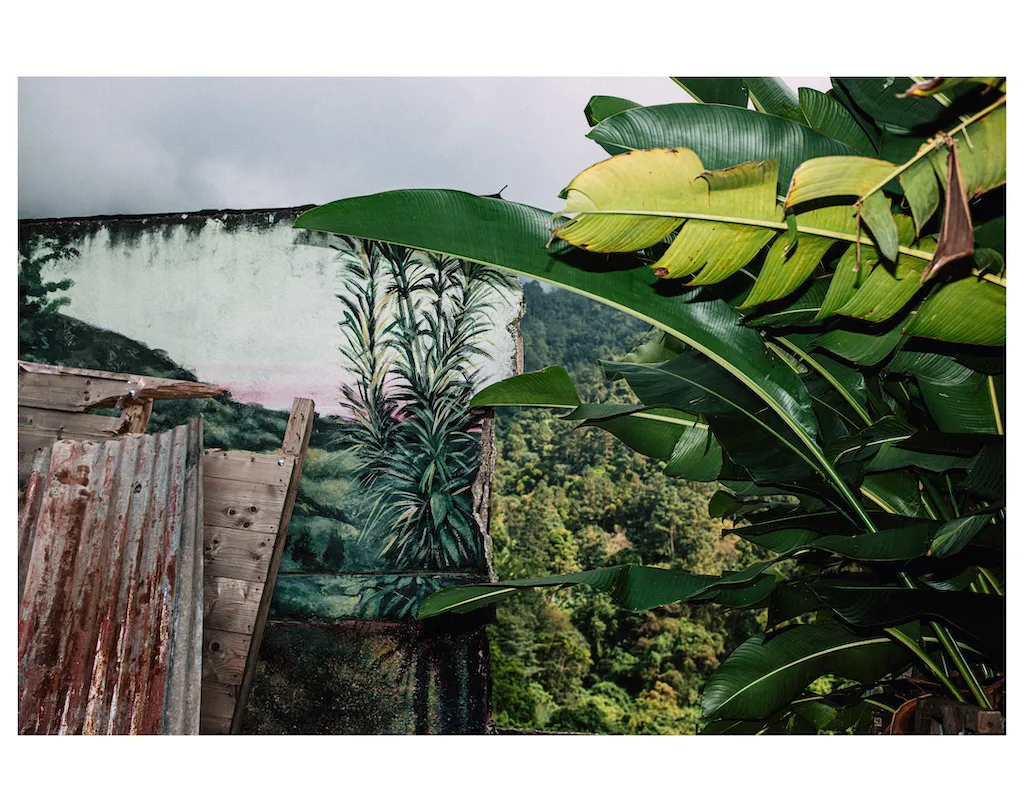
"Koyo Kouoh's In Minor Keys centers artists who make their own worlds, and these worlds are rooted in solidarity, poetry, and place," said Larissa Harris, executive director of the Teiger Foundation. The foundation has backed the Venice Biennale three times before — in 2013, 2022, and 2024 — so this isn't a one-off gesture. It's part of a longer commitment to supporting the kind of curatorial work that takes artists seriously as world-makers.
The Teiger Foundation itself was established in 2008 by collector David Teiger, who died in 2014. His collection was sold to strengthen the foundation's endowment, turning one person's passion for art into a sustained mechanism for supporting it. That matters because it means this money isn't just a headline donation — it's backed by institutional staying power.
When Biennale president Pietrangelo Buttafoco acknowledged the gift, he called it "even more significant" precisely because it honors Kouoh's voice and vision for "current and future generations." In other words, this isn't about memorializing the past. It's about letting her curatorial thinking shape what happens next.