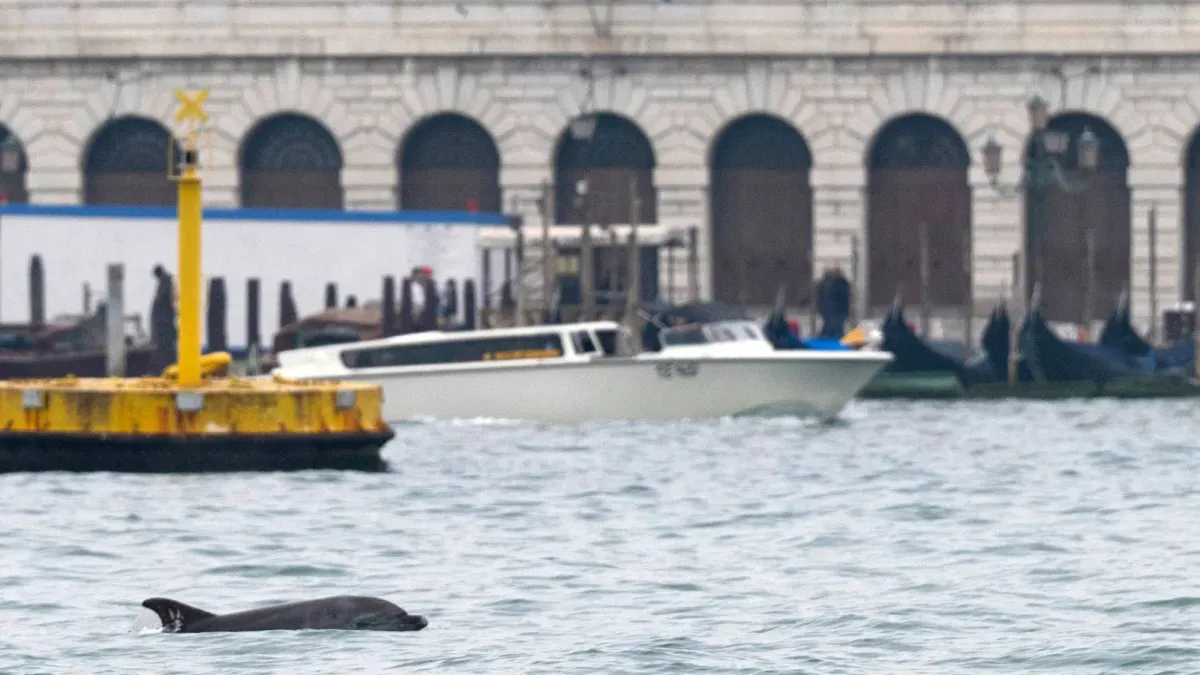
Mimmo the bottlenose dolphin has been making regular appearances in the Venice lagoon since June 2025, leaping through the water and captivating residents and tourists alike. But when animal activists launched a "save Mimmo" campaign, worried about boat propellers in the busy waterway, Italian scientists decided to actually study what was happening. What they found was straightforward: the dolphin is fine. We're the problem.
A research team from the University of Padova spent months tracking Mimmo's movements and published their findings in Frontiers in Ethology. The conclusion was clear. "We present the case of one of the most charismatic animals in one of the most iconic cities: a solitary dolphin in Venice," said Guido Pietroluongo, a conservation veterinary pathologist who led the research. The team documented the animal's "remarkable adaptation to an unusual context" while highlighting "the need to manage human behaviour to ensure its welfare."
Mimmo first appeared on June 23, 2025, spotted by water-taxi driver Manuel Tiffi, who noticed the dolphin swimming right in front of his bow. The animal seemed unafraid, and taxi drivers began reporting sightings to warn colleagues to slow down. Since then, scientists have observed Mimmo weekly from boats, supported by Venice authorities and local residents. The dolphin has moved from the southern end of the lagoon northward, where it remains, and appears healthy—regularly feeding on mullets and navigating the urban waterway with ease.
We're a new kind of news feed.
Regular news is designed to drain you. We're a non-profit built to restore you. Every story we publish is scored for impact, progress, and hope.
Start Your News DetoxA Species Built for Adaptation
Bottlenose dolphins are the most common cetaceans in Italian waters, and they're extraordinarily adaptable. In recent years, several solitary dolphins in the Adriatic have left their pods and moved toward coastal or urban areas—a pattern that isn't unusual for the species. "Observing bottlenose dolphins in urban areas is not particularly surprising, as they are extremely adaptable and opportunistic marine mammals," Pietroluongo noted.
Historically, dolphins have taken up residence in the Venetian lagoon and adapted successfully. The real question wasn't whether Mimmo could handle Venice. It was whether Venice could handle Mimmo.
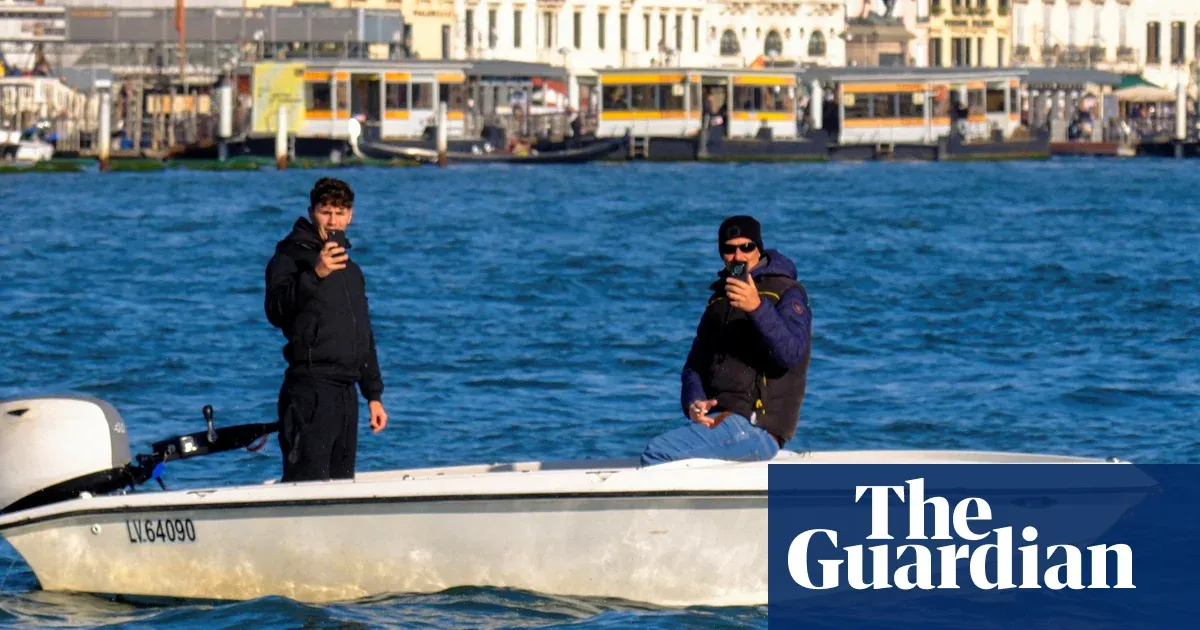
Giovanni Bearzi, who has studied Adriatic dolphins for four decades, put it bluntly: "What is truly unusual is not the dolphin's presence, but the persistent difficulty humans have in respecting such animals today." He pointed out that dolphins have accompanied human maritime activities for millennia, yet coexistence remains difficult. The greatest risk to Mimmo comes not from the lagoon itself, but from reckless boat operation—speeding through channels, failing to maintain safe distances, approaching the animal without thought.
The solution, scientists say, isn't to relocate or manage the dolphin. It's to manage ourselves. Controlling boat speed and maintaining safe distances are essential. "We need to appreciate the opportunities to coexist with and enjoy wildlife," Bearzi said. "Historical and contemporary documentation clearly shows that dolphins have accompanied human maritime activities for millennia, yet we still struggle to coexist with them appropriately."
Mimmo's presence in Venice is a rare gift—a chance to watch a wild animal thrive in an urban space. Whether we can slow down enough to let it happen is, for once, entirely up to us.